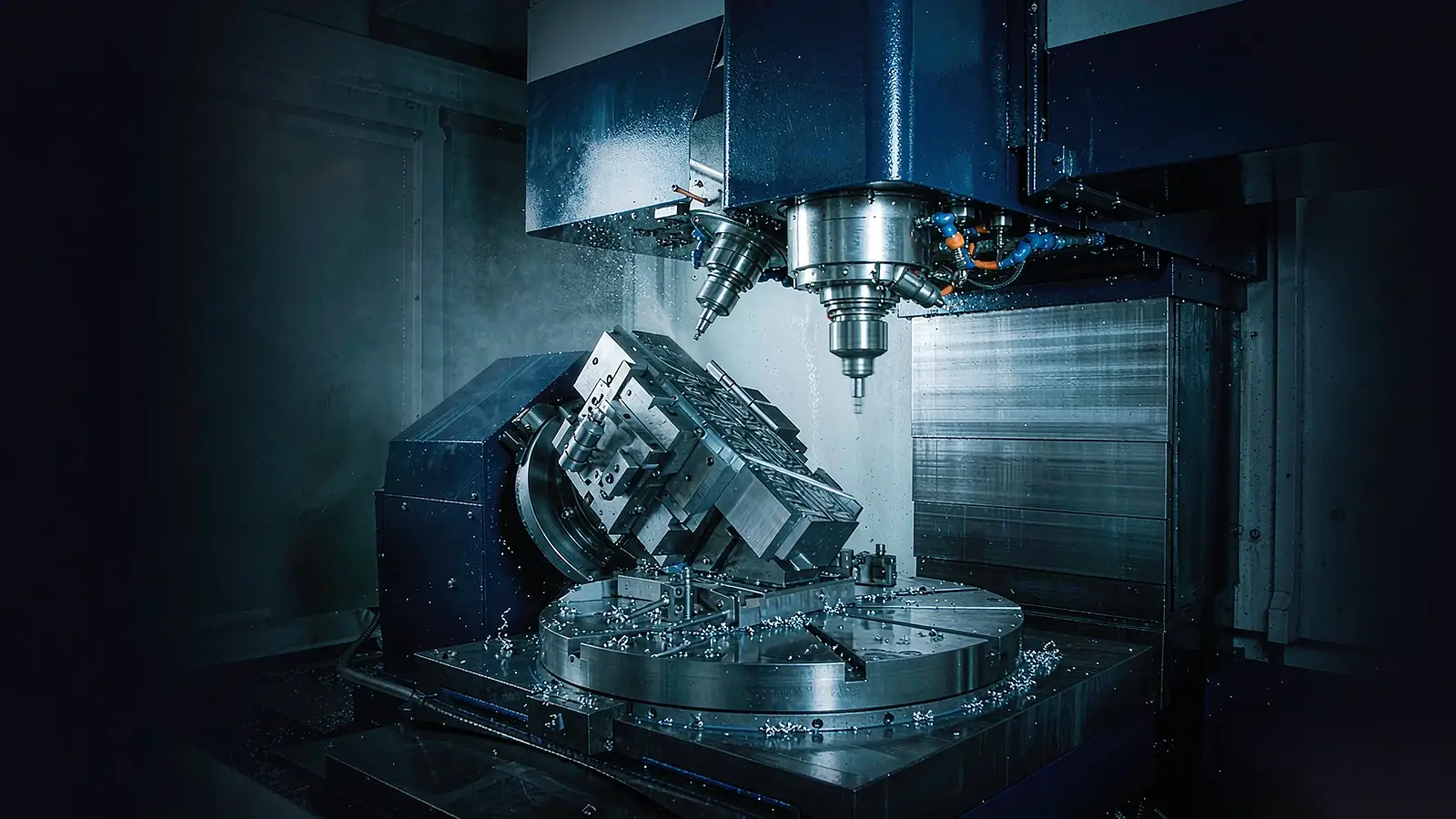
What to Confirm When You Order CNC Machined Parts from Chinese Factories

Verify Supplier Credibility Before Ordering Assess OEM/ODM Experience & Industry Track Record When looking at potential manufacturing partners, focus first on those who have actual OEM or ODM work history in our field. For aerospace components, we need to see evidence they handle tight tolerances properly. Medical device makers should be able to show they really understand working with materials that won’t harm patients. Ask for real examples of their past work on complex parts similar to what we need. Factories that’ve been doing specialized machining for at least five years tend to make fewer mistakes during production runs according to recent research (Precision Manufacturing Journal, 2024). Don’t just take their word for it either. Visit facilities if possible or ask them to prove they have multi-axis CNC machines and EDM systems which are basically required when making parts with complicated shapes. And when checking references, don’t stop at what they tell us. Look up what others say about them on sites like Alibaba and various manufacturing forums. Better yet, get actual contact info from previous clients who worked on similar projects so we can talk directly to people who’ve actually used their services before. Confirm ISO 9001, IATF 16949 & Export Compliance Docs Manufacturers should ensure they have valid ISO 9001:2015 certification for their quality management systems, plus IATF 16949:2016 specifically when dealing with automotive parts production. These industry standards basically force companies to implement strict process controls that help prevent defects from happening in the first place. Factories that meet these requirements typically keep their part rejection rates under 0.2%, according to recent data from Quality Standards Digest (2023). When shipping goods internationally, it’s absolutely critical to check all necessary paperwork upfront. Make sure those export licenses are in order, confirm proper CE markings, and don’t forget about those dual-use declarations either. The stats show that missing documents cause around 23% of all customs holdups. Always double-check certifications using the actual International Accreditation Forum (IAF) database instead of relying on printed copies alone. Companies need to ensure their material traceability systems aren’t just theoretical but actually work within everyday operations. Failure to comply can lead to massive fines sometimes over half a million dollars per violation not to mention serious disruptions across entire supply chains that take months to fix. Specify Materials & Technical Requirements Accurately Match Material Grades to Functional Demands Getting the material specs right matters a lot when placing orders for CNC machined components. Using the wrong materials can cause parts to fail early on. Take aluminum 6061-T6 for instance it works great for making those lightweight brackets used in aircraft but won’t last long in salty sea air. That’s where 316 stainless steel shines in marine conditions. When specifying parts, make sure to note down the exact material grades needed, along with surface finish requirements like Ra values below 0.8 microns. Don’t forget about certifications either ASTM and AMS standards are commonly required across many industries. These details might seem small but they really impact how well the final product performs over time. Mechanical loads: 4140 alloy steel delivers superior strength for high-stress gears versus standard 304 stainless. Environmental exposure: Saltwater applications demand corrosion-resistant alloys like titanium or super duplex stainless steel. Thermal limits: Copper C110 offers high thermal conductivity ideal for heat sink or thermal management components. Regulatory compliance: FDA-approved materials—including 303 stainless—are mandatory for food processing equipment. Integrate Design for Manufacturability (DFM) early: simplifying geometries for your chosen material can cut machining costs by 15–30% (Journal of Materials Processing, 2023). Always cross-validate mill test reports and material certifications against your technical drawings before production begins. Validate Precision Capabilities & Quality Control Confirm Multi-Axis CNC, EDM, ±0.005 mm Tolerance Capacity When ordering CNC machined components, checking what level of precision a manufacturer can actually deliver should be at the top of everyone’s checklist. These days, complicated parts often need multi axis CNC machines, preferably 5 axis or better, so they can handle all those tricky details without messing up during repositioning. EDM machining becomes really important too when working with hard materials that need tiny curves or microscopic features carved into them. The real deal breaker though? Making sure they can stick to around plus or minus 0.005 millimeters in tolerance. That’s roughly half the thickness of a single strand of hair. According to some recent industry reports from the Bureau of Industry Standards back in 2023, almost one third of all precision problems come down to mismatched tolerances. Always ask for proof like calibration documents and actual samples showing how well they measure things like bore concentricity and surface flatness. Top notch shops manage these standards because they invest in solid machine bases, keep their workshops at controlled temperatures, and install special mounts to absorb vibrations that might otherwise ruin delicate work. Require CMM Reports, In-Process Logs, Lot-Level Traceability Good quality documentation serves as the main defense line against product defects. When dealing with critical dimensions, manufacturers should require complete CMM reports. These need to be checked through optical comparators or laser scanning equipment. The reports absolutely must contain GD&T specifications along with surface finish measurements like Ra and Rz values. Don’t overlook in process inspection records either. These documents track verification points throughout production stages including when materials arrive, during rough machining operations, after finishing cuts, following deburring steps, and right before final cleaning processes. Lot level traceability remains essential for true accountability. Every batch produced needs a distinct identification number that connects directly back to material certificates, who operated the machines, what machines were used, and exactly when inspections took place. Industry data shows automotive grade suppliers implementing these kinds of traceable systems see around 34 percent reduction in scrap compared to those without them according to research published in Precision Manufacturing Journal last year. Clarify Production Scalability & Realistic Lead Times For companies sourcing CNC machined components from China, having clear agreements about scaling production is absolutely necessary when dealing with changing order volumes. Reputable suppliers should back up their capacity promises with real data on past output and detailed resource planning. Ideally they can handle around 20% changes in volume without affecting part dimensions or quality specs. Understanding lead times matters a lot too. Small prototype batches under 100 pieces usually take between 15 to maybe 25 days total including programming work, machine setup, and getting that first sample approved. Large orders over 10k units tend to stretch out to 40-60 days because of longer machining processes and multiple quality checks throughout production. Don’t forget about shipping delays either. Ocean freight alone can eat up 15 to 35 extra days depending on routes, plus there’s always uncertainty with customs paperwork. Smart buyers include penalties in contracts for suppliers missing deadlines and insist on seeing actual documentation proving their manufacturing capabilities. This helps keep projects on track and maintains business operations even when things don’t go perfectly smooth.

Read More »

How to Ensure the Quality of Precision CNC Machined Components for Industrial Use

Defining Quality: Tolerances, Accuracy, Dimensional Consistency Why Tight Tolerances Are the Core Benchmark The concept of tolerances basically means how much parts can vary from their intended size while still working properly. Parts made with tight tolerances around ±0.005 mm handle tough operating conditions much better than those with wider tolerances, which helps avoid breakdowns when putting together complicated equipment. Getting these tight dimensions right takes some serious work though. It involves sophisticated computer programming for the machines, sturdier equipment, running at slower speeds, and lots of quality checks usually done on these big coordinate measuring machines we call CMMs. Cutting down tolerance ranges even just 0.001 mm generally adds about 5 to 10 percent to production costs because it takes longer to make and test everything. Still, nobody argues about spending extra money on critical parts for things like airplane control systems or surgical implants. We’ve seen what happens when tiny measurement errors occur in these situations – sometimes literally life or death matters depend on getting those decimal points right. Industry Accuracy Requirements: Aerospace, Medical, Automotive Different industries set their own standards for precision depending on how risky operations are and what regulations apply. Take aerospace parts for instance; turbine blades need to stay within about 0.0005 inch tolerance (roughly 0.013 mm) because even small expansions from heat can cause engines to fall apart completely. The medical field has its own strict rules too. Implants must have surfaces smoother than 0.2 micrometer Ra to stop bacteria from growing on them, something the FDA really emphasizes when talking about safe devices. Automotive transmissions require gear profiles accurate to around 5 microns just to keep noise, vibration and harshness at bay so cars don’t break down after a few years. These numbers aren’t just engineering goals though. They represent real compliance issues backed by FAA tests for stress resistance, biocompatibility checks aligned with ISO 13485 standards, and quality control measures required under IATF 16949. Manufacturers who ignore these specs end up facing serious consequences beyond just poor performance. Robust Quality Control Processes In-Process Verification: Real-Time Monitoring & Automated Inspection CNC machining today relies heavily on sensors and automated checks to keep parts within spec during manufacturing. The real time monitoring systems actually watch for things like tool wear down to about half a thousandth of a millimeter, track how temperatures change, and measure vibrations that might affect quality. When something starts going off track, these systems kick in right away to fix problems before they get too bad. For bigger production runs, companies use automated coordinate measuring machines along with optical scanners that take measurements without touching the part. These devices check at set times throughout the process and catch defects in about 99 out of every 100 cases. The whole system works together so well that factories see anywhere from 25% to almost 40% less waste material. Plus, the surfaces come out smooth enough to meet those tough Ra 0.4 micrometer standards needed for airplane parts and medical equipment where precision really matters. Statistical Process Control (SPC) for Stable Output Statistical Process Control takes all that raw production data and turns it into something manufacturers can actually use for quality management. With tools like control charts and capability analysis, companies keep an eye on important variables such as diameter consistency around plus or minus 0.01 mm and where parts end up positioned in each batch. These systems pick up on developing problems before they become major issues, often catching signs that tools are wearing out or materials aren’t performing quite right anymore. Factories that implement SPC typically see about a third reduction in unexpected stoppages during production, plus their CpK scores tend to jump above 1.67 which is what Six Sigma considers good enough. The real time dashboards these systems provide will alert operators when measurements start moving outside those three sigma boundaries, so adjustments happen before anything goes wrong. This means consistent dimensions throughout large production runs of over ten thousand units without needing someone to constantly check everything manually. Certification, Traceability & Compliance for Industrial-Grade Parts AS9100D, ISO 13485, IATF 16949: Aligning QC with Sector Standards Getting certified to those industry specific standards isn’t just something nice to have it’s actually essential when making reliable precision parts through CNC machining. Take AS9100D for instance this one applies specifically to aerospace manufacturing where they require strict risk management protocols and thorough validation processes for anything that goes into aircraft. Then there’s ISO 13485 which keeps medical device manufacturers on track regarding sterile conditions in their facilities plus makes sure materials used won’t cause any adverse reactions in patients during production runs. Automotive suppliers follow IATF 16949 standards that push them to incorporate mistake prevention techniques along with multiple layers of process checks right into everyday work routines. When all these different certification frameworks come together, they create consistent quality control measures throughout international supply networks resulting in products that can be traced back, replicated accurately, and subjected to proper audits whenever needed. Full Material Traceability & Audit-Ready Documentation Tracking materials all the way through to finished parts is really what makes quality control work properly. When we look at those precision CNC machined components, each one gets its own special ID number that connects back to everything important like mill test results, heat treatment records, calibration data, and those final inspection papers. Our digital system keeps detailed records of every step in production, right down to when tools were changed, who operated the machines, and exactly when measurements were taken. All this paper trail means we’re always ready for audits, helps us find problems faster when something goes wrong, and keeps regulators happy whether it’s the FAA coming in or FDA folks checking our facilities. Foundational Enablers: Machine, Tooling, Human Factors Preventive Maintenance, Calibration, Tool Life Management Getting consistent quality starts with taking good care of machines. When machines get regularly calibrated, they don’t drift out of spec because of heat changes or parts wearing down over time. Preventive maintenance matters too – keeping things lubricated on schedule and making sure those ball screws stay aligned helps maintain accurate positioning. Tool life management is another key factor. If tools are changed before they really need it, surfaces stay smoother and dimensions remain true. Research from Machining Analytics in 2023 showed something interesting: swapping out end mills when they’re only half worn actually cuts dimensional errors by about 18%. All these elements work together like gears in a clock. Machines that stay calibrated produce predictable movement patterns. Components that receive proper maintenance create less vibration related problems. And tools that aren’t pushed beyond their limits cut consistently throughout production runs. Together, they help keep manufacturing processes precise for longer periods without unexpected issues popping up.

Read More »

How to Order Custom Machined Aluminum Parts for Diverse Industrial Applications

Why Aluminum Is Preferred for Custom Machined Parts Superior Machinability, Strength-Weight, Corrosion Resistance for Aerospace, Auto, Medical When it comes to making custom machined parts, aluminum has become the go to material across many industries including aerospace, automotive manufacturing, and medical device production. Why? Because it combines several important properties that make machining easier while still maintaining structural integrity even under tough conditions. Aluminum isn’t as hard as steel, plus it conducts heat really well, so tools last longer and machines can work faster. This means factories save time on production runs sometimes cutting down cycle times by around 70 percent when switching from steel components. And those savings translate directly into lower costs per part when producing large quantities. Another big advantage is how light yet strong aluminum actually is. The strength to weight ratio is about twice what we see in mild steel, allowing engineers to build parts that support heavy loads without making vehicles or planes unnecessarily heavy something absolutely essential for electric cars trying to maximize range and airplanes needing to carry more cargo efficiently. Plus there’s the fact that aluminum naturally forms a protective oxide layer over time, which helps resist corrosion. For applications where this matters most like boats exposed to saltwater, surgical instruments requiring sterilization, or equipment used outdoors in harsh weather conditions manufacturers often apply additional coatings through processes like anodizing to boost durability even further. 6061-T6 vs 7075-T6: Cost, Strength, Finishability for Custom Parts Choosing between 6061-T6 and 7075-T6 hinges on application priorities—not just performance, but manufacturability and total cost of ownership. Property 6061-T6 7075-T6 Cost Lower, cost-effective for budgets Higher, premium pricing Strength Moderate, suitable for structural High, excels in high-stress uses Finishability Excellent, easy to anodize/polish Good, but harder to machine Applications General industrial, automotive Aerospace, defense components When it comes to prototypes, enclosures, and those medium duty structural components, 6061-T6 is still the material of choice for many shops. The reason? It machines pretty easily, welds without too much trouble, and gives that nice consistent finish after anodizing. On the flip side, 7075-T6 presents some real challenges during milling operations and can be quite unforgiving when working with thin walls or tight tolerances. But what this alloy lacks in workability, it makes up for in sheer strength that rivals aerospace standards. For applications where maximum performance is absolutely necessary despite higher costs and manufacturing difficulties, 7075-T6 might be worth considering. Most experienced engineers know to start by looking at what the part needs to do functionally before worrying about how to make it. Getting suppliers involved early helps avoid those unpleasant surprises later on down the road. End-to-End Ordering Process CAD, GD&T, Surface Finish: Ensuring Manufacturability & Compliance Getting things right starts with a good CAD model that can actually be manufactured. The geometry needs to be clean and watertight, with all materials specified properly like AL 6061-T6, along with heat treatment details and proper feature markings. When engineers include GD&T standards from ASME Y14.5 right in the design, they tend to cut down on revisions by around 30% as found in a study published in the Journal of Manufacturing Systems last year. These geometric dimensioning and tolerancing specifications really help clarify what parts need to do functionally speaking. For instance, they show exactly where mounting holes should go and how much runout is acceptable on rotating components. This prevents those expensive misunderstandings later on during production. And don’t forget surface finishes either. Choosing the right finish isn’t just about looks it has to meet both performance requirements and regulatory standards too. Finish Type Typical Ra (μm) Common Application As-Machined 3.2 Non-critical enclosures Anodized 0.4–0.8 Wear-resistant aerospace components Bead Blasted 1.6–2.5 Aesthetic medical devices For regulated industries—such as FDA-regulated food processing or ISO 13485-certified medical devices—specify coatings and processes validated for biocompatibility or cleanability, not just appearance. Supplier Evaluation: ISO 9001, Metrology, NDA, Rapid Prototyping The best suppliers function more like extended members of the engineering team rather than mere vendors. Look for companies with ISO 9001:2015 certification since studies from Quality Progress show these firms tend to have around 48% fewer defects in their products. When vetting potential partners, check if they actually do their final inspections on site with proper equipment. Most good ones will use CMM machines to verify dimensions, optical comparators to check profiles, and special testers to measure surface roughness. With designs that contain sensitive intellectual property, make sure there are solid NDAs in place along with real cybersecurity measures. Think about things like encrypted transfers or secure portals for sharing files. And don’t forget about how quickly they can prototype. The really top notch suppliers can get CNC machined working prototypes out the door within three days flat. This kind of speed helps validate designs faster and can cut down time getting products to market by somewhere between 35-45% depending on circumstances. Cost & Lead Time Optimization for Custom Aluminum Parts DFM Levers: Part Consolidation, Standard Holes, Tolerance Rationalization Design for Manufacturability doesn’t mean sacrificing functionality; it’s really about cutting out unnecessary expenses. When companies merge multiple components into one custom machined aluminum piece, they slash down on inventory management headaches, cut back on assembly work hours, and eliminate those pesky weak spots that tend to fail first. Taking standard hole sizes seriously matters too (#43, quarter inch, M6 are good bets). No need to spend extra bucks on special tools when regular ones will do just fine. The biggest money saver? Getting smart about tolerances. Tight specs like plus or minus 0.002 inches should be reserved for areas where things actually need to fit together properly. Looser tolerances elsewhere save tons of time at the machine shop. We’ve seen cases where going from 0.005 to 0.010 inch tolerance shaved off 40% of milling costs alone. All these thoughtful decisions typically knock between 15 and 30 percent off overall production costs without hurting product quality, plus orders get delivered faster as well. Early Supplier Engagement Cuts Iterations, Speeds Time-to-Part 40% Getting the manufacturer involved during the design phase before locking down those final drawings turns potential problems into advantages. Real world machinists see things that just don’t show up on computer models. They notice stuff like those tricky undercuts that need EDM work, thin walls that will chatter during machining, or those deep pockets that go beyond what regular tools can handle. These experts then suggest better ways forward. According to manufacturing stats we’ve seen, this kind of teamwork reduces the number of times products need to be redesigned by around two thirds. Combine this approach with having prototypes made in house, and the whole feedback cycle goes from taking weeks down to just days. First article approvals come through about 40 percent quicker compared to when companies follow the old school method of designing everything first and then handing it off to manufacturing later. Plus, getting early input helps pick the right materials, figure out where coolants should go, and design proper fixtures for holding parts in place. All these factors contribute to better accuracy, consistent results, and improved production rates across the board.

Read More »

Why a Trusted Machine Shop Is Essential for Custom Metal Fabrication

Precision Engineering Starts with a Certified Machine Shop Tight-Tolerance CNC Machining: How ±0.005″ Accuracy Relies on Equipment Calibration and Operator Expertise Getting down to those tight ±0.005 inch tolerances isn’t just about having fancy CNC machines sitting around. It really comes down to regular calibration work and knowing what experienced operators can spot with their eyes and hands. Machines get out of whack over time because of heat changes and parts wearing down, so most good shops do weekly laser checks against those NIST standards as a matter of course. But even the best equipment can’t handle how materials actually behave when cut. Take aluminum for instance it expands quite a bit when heated (about 23 microns per meter per degree Celsius). That means machinists have to constantly tweak cutting speeds while working. Skilled operators watch for things like how chips form, strange vibrations, and weird spots on surfaces to catch problems early before they become big issues. Shops that want to stay competitive usually go through ISO 9100 or similar certifications. These programs force them to document all their calibration schedules and prove their staff knows what they’re doing, which helps maintain consistent quality from one batch to the next. The Human-Machine Partnership: Why Skilled Machinists Remain Irreplaceable in Quality Assurance While automation brings consistent results, there’s still no substitute for human know-how when spotting those tricky, situation-specific problems. Skilled machinists trained in metallurgy can see signs of tool wear that even advanced sensors miss. Take built-up edges on titanium alloys for instance something that shows up long before any tolerance limit gets close to being broken. Shops implementing Statistical Process Control report cutting down on rework by around 40% thanks to these early warnings. The job isn’t just about taking measurements either. These experts look at surface finishes, check for tiny burrs, spot distortions caused by stress, and actually feel the cut with their hands all factors that directly affect how well parts function in real applications. Organizations like NADCAP don’t just review paperwork during surprise visits. They want to see if workers really understand their materials and equipment, making sure that shops maintain high standards through a combination of skilled people working alongside technology. Robust Quality Control Systems Define a Trusted Machine Shop Tiered Inspection Protocol: In-Process Checks, CMM Validation, and Traceable Documentation Good quality control isn’t just about checking boxes one after another. Instead, it works best when there are multiple overlapping protections throughout the manufacturing process. Let’s start with what happens while parts are actually being made. Operators keep an eye on things as they machine components, using their calibrated tools and those go/no-go fixtures to spot problems right away before too much scrap gets created. Then comes the CMM work, where these machines double check everything down to the micron level. This step is particularly important for those tricky geometric features that need strict GD&T specifications. And finally, there’s the whole traceability thing. Manufacturers need to connect all the dots between material certificates, heat treatment records, various inspection documents, and final measurements so everything can be tracked back if needed. According to some recent industry data from 2023, companies using this layered approach see around 63% fewer defects escaping through the cracks compared to those relying on simple inspections alone. Beyond meeting regulations, this comprehensive method gives manufacturers peace of mind knowing their products meet standards consistently. Statistical Process Control (SPC) Outcomes: 42% Fewer Rework Cycles in Top-Tier Machine Shops Statistical Process Control changes how we approach quality assurance, shifting it from fixing problems after they happen to catching issues before they become serious. When manufacturers keep an eye on important factors like tool wear over time, how much stress spindles take during operation, and subtle shifts in dimensions through those handy control charts, they can spot trouble spots long before bad parts start rolling off the line. Shops implementing these methods have seen some impressive results according to recent industry reports from 2024. One major plant cut down rework by almost half while wasting significantly less material across their production runs. There are basically three things that make this work well together: getting live data straight from the CNC machines themselves, having systems that automatically detect patterns needing attention, and adjusting machine settings based on what those systems find. The payoff? Some factories now achieve first pass yields exceeding 98.5% which means faster production times without sacrificing product quality. This matters a lot in custom fabrication shops where tight deadlines often collide with thin profit margins, making every percentage point count toward staying competitive. Material Intelligence and Integrated Workflow Enable True Custom Fabrication Alloy-Specific Machinability: How Material Selection Impacts Surface Finish, Tool Life, and Dimensional Stability Choosing materials isn’t just about picking what works best technically—it shapes how machines interact with them entirely. Aluminum allows fast cutting speeds, but comes with its own challenges requiring special tool coatings to prevent galling plus proper coolant application throughout the process. Working with titanium means slowing things down significantly and ensuring everything is set up rigidly enough to handle the heat that builds up during machining, which can cause problems if not controlled properly. Superalloys such as Inconel® offer excellent surface finish quality around 12 to 16 Ra microinches, though they wear down tools at roughly 40% faster rate compared to mild steel, so keeping track of when tools need replacing becomes absolutely critical. Shops that understand metal properties really know their stuff. They look at things like crystal structures, how well different metals conduct heat, and whether certain alloys tend to harden as they’re worked on. Getting these factors right makes all the difference between successful parts and failures, especially important for delicate medical devices where tiny cracks could be disastrous or aircraft parts needing to stay within tight tolerances even during intense manufacturing operations. Seamless CAD/CAM/CNC Handoff: Why Unified Digital Workflow Reduces Errors and Accelerates Prototyping Around 23% of all prototyping delays come down to file translation errors, but these problems vanish completely when we implement integrated digital workflows. The whole process works like this: CAD geometry feeds into CAM toolpaths, which then connect straight to CNC controllers. When designers make changes, those updates spread through the system almost immediately. No need for tedious manual corrections anymore, no missing data points getting lost somewhere along the way, definitely no headaches from mismatched versions floating around different departments. What does this mean practically? Setup iterations drop by about two thirds, and failures during initial production runs become much rarer. Take one automotive parts manufacturer as an example they cut their fixture development time from three long weeks down to just four days after switching to unified software solutions. This shows clearly how maintaining digital thread integrity speeds up design validation while making production systems adaptable at scale. Custom fabricators especially benefit from this approach with quicker iterations possible, better control over dimensions, and significantly fewer expensive problems popping up right before deadline day. Full-Service Capabilities Eliminate Coordination Risk Across the Fabrication Lifecycle Case Study: In-House Machining + Welding + Engineering Cut Lead Time by 37% on a Medical Device Bracket Looking at a recent bracket project for medical devices really shows what vertical integration can accomplish. Instead of dealing with multiple vendors for different parts of the job like machining, welding, and getting engineering help, one certified machine shop handled everything themselves. They started by giving early feedback on how to make the design better suited for manufacturing, which helped them create an optimized titanium component that works well with CNC machines while still keeping those tight ±0.005″ tolerances intact. The welding team came next and did their precision orbital welds without any delays from waiting on outside coordination or problems with joints not matching up properly. Putting everything into one streamlined process shaved off about 37% from the overall lead time compared to old school fragmented procurement methods. When different departments worked together in real time, they managed to slash revision cycles by around 29%. Engineers, machinists, and welders actually started developing solutions together rather than pushing issues down the line like before. The digital thread management system kept all those geometric details intact right from CAD design through CAM programming to actual CNC machining, which really sped things up during prototyping. What we got wasn’t just faster results either. We saw consistent outcomes too: no dimensional errors slipping through, complete regulatory paperwork ready when needed, and smooth scaling from initial prototypes straight into full production runs without any hiccups along the way.

Read More »

Rapid Prototyping Services: Accelerate Your Product Launch Process

How Rapid Prototyping Cuts Time-to-Market by 40–60% The Iterative Validation Advantage: Eliminating Late-Stage Rework Most traditional product development processes tend to find major problems way too late, usually when testing happens or even during actual production. This leads to expensive tooling adjustments and weeks of frustrating delays. Rapid prototyping changes all that by letting teams validate their ideas much earlier on. Instead of waiting weeks, designers can actually build and test working models within just a few days, getting genuine feedback from users before finalizing designs. When companies adopt this iterative method, they catch around 80 percent of potential design issues while still in the prototype phase rather than during manufacturing, where fixing them costs about 90 percent more than if caught earlier. Early problem solving saves businesses hundreds of thousands in tooling changes and cuts down those annoying 6 to 8 week holdups. What we end up with is a smoother development process overall, helping products reach market faster by anywhere from 40 to 60 percent compared to conventional methods. Real-World Impact: MedTech Startup Slashes FDA Submission Cycle by 50% For those working on medical devices, getting through all those regulatory hurdles takes forever normally. But companies using rapid prototyping can actually cut down on this whole process quite a bit. Take one small company making heart monitors for example they managed to slash their time getting ready for FDA submissions by half. They were able to whip up working prototypes inside three days after any design changes came in. This meant they could test how safe and user friendly their product was throughout twelve different versions over just a month something impossible with old school manufacturing techniques. When problems showed up early during testing, they spotted issues with materials not meeting standards long before anyone thought about starting human trials. All this preparation made sure when they finally submitted everything to the FDA, all their documentation was already solid and ready for inspection. And what happened? Their device got approved much quicker than usual, which gave them a head start in a market where doctors really need better ways to monitor patients’ hearts. Key Rapid Prototyping Benefits Beyond Speed Early Flaw Detection Before Tooling — Avoiding $250K+ in Rework Costs Building physical prototypes helps catch design problems that just don’t show up in computer models like CAD software. Things like stress points, heat distortion, or comfort issues become apparent when we actually touch and test the product before making expensive molds. According to a recent report from the Ponemon Institute in 2023, fixing problems early in the prototype stage saves about 90% compared to making changes after production starts, which can cost companies over $250,000 in average rework expenses. Take one instance where a group working on medical equipment found airflow blockages in their 3D printed case during testing. If they hadn’t spotted this issue early, it would have failed FDA tests completely. The team ended up saving around $410,000 on tooling changes and kept their project timeline intact instead of facing a six week setback. Stakeholder Alignment Through Low-Fidelity Visual Prototypes Cheap, touchable prototypes such as foam models or silicone mockups help get everyone on the same page when engineers, investors, doctors, and actual users need to communicate. According to some research from MIT’s Design Management Review back in 2022, teams that bring physical prototypes into meetings with stakeholders cut down on misunderstandings about requirements by around three quarters and speed up the approval process by roughly 30 percent. Take one consumer electronics company for instance they saved themselves about 12 weeks of frustrating redesign work simply because they tested where buttons should go and how comfortable the device felt in someone’s hand with those silicone prototypes. Getting real feedback from people actually holding the product boosted their market success ratings by a massive 40%. Beyond accelerating timelines, these benefits de-risk development by transforming abstract requirements into tangible, testable artifacts—slashing costs while strengthening regulatory readiness and market confidence. Matching Rapid Prototyping Methods to Your Launch Stage FDM, SLA, and SLS Compared: Fidelity, Materials, and Timeline for POC to Pre-Production Choosing the right rapid prototyping approach depends on matching what technology can do with where the product stands in development. Fused Deposition Modeling, or FDM for short, gives the quickest results when making initial concept models from affordable materials like PLA. Great for checking if things fit together properly in the early stages, but those visible layers between each print layer will show through on the surface. Stereolithography, known as SLA, creates parts with incredible detail down to microns using special light-sensitive resins. This makes it perfect for seeing how everything looks and fits together before finalizing designs, although these parts need extra time under UV lights after printing. Then there’s Selective Laser Sintering (SLS), which makes tough nylon or even metal parts without needing supports during printing. This allows for really complicated shapes and actual stress tests before going into production, even though the process takes longer because of the sintering step required. The range of materials available depends on what level of detail is needed. FDM works well with standard plastics for rough prototypes. SLA printers handle different types of resins that can be flexible, transparent, or even safe for medical applications. SLS technology goes further still, working with tough nylons and composite materials that actually hold up under real stress tests. When it comes to timeframes, things also progress similarly. FDM machines generally produce parts within a few hours, perfect for getting a quick look at ideas. SLA takes longer, usually finishing overnight when designers want something more polished. SLS printing takes several days but creates parts strong enough for serious testing before production starts. For most projects, starting with FDM makes sense during early brainstorming sessions. Move to SLA once details matter more, then switch to SLS when actual performance becomes critical. This approach helps move products through development stages without wasting resources on unnecessary steps along the way.

Read More »

How Professional CNC Machining Services Enhance Production Efficiency

Precision and Repeatability: Eliminating Rework and First-Article Delays CNC machining services bring a level of precision that just can’t be matched by hand tools, which cuts down on those frustrating production holdups we all hate. When they keep tolerances below 0.005 mm consistently, it means no more expensive fixes during large batch manufacturing. Think about it this way: if something’s off by just a few microns in mass production, problems start snowballing until whole batches get scrapped. For parts used in airplanes or medical devices, getting the dimensions right isn’t just good practice but absolutely necessary. The materials need to hold up under extreme conditions, and regulators won’t accept anything less than spot-on measurements either. Sub-0.005 mm tolerance control: Ensuring zero rework in high-volume production runs Advanced machine calibration and real-time monitoring detect tool wear before it impacts part dimensions. Temperature-compensated spindles, for example, counteract thermal expansion during extended operations—preserving accuracy across multi-hour cycles. As a result, first-article inspection time drops by 50% compared to conventional machining, since parts meet specifications on the initial run. Case study: ISO-certified CNC machining services cut automotive supplier scrap rate by 42% One automotive parts maker cut their yearly waste expenses by around $740,000 after teaming up with a CNC shop certified under ISO 9001 standards. They implemented something called statistical process control throughout all machining steps. This allowed them to catch those pesky dimension problems early on before anything got assembled. The result? No more tolerance stacking issues in those gear housing units that used to cost them about $18,000 each week in scrapped materials. What a difference proper quality checks can make! Accelerated Throughput: 24/7 Operation and Optimized Cycle Times Adaptive toolpath optimization reduces average machining time by 27% (MTConnect 2023 benchmark) CNC machining shops are seeing significant reductions in cycle times thanks to AI systems that optimize tool paths on the fly. These smart systems rely on sensors monitoring things like vibration levels, heat buildup, and tool load during operation. As conditions change, the software makes adjustments to keep cutting efficient while avoiding problems like tool wear or unwanted vibrations. The MTConnect Institute looked at data from around 18,000 hours of actual production work last year and found that shops adopting this tech cut their average machining time down by about 27 percent. What really makes these systems effective? For starters, they can adjust spindle speeds dynamically so machines aren’t wasting time idling. They also plan routes that avoid collisions, which saves time normally lost to unnecessary movements. Plus, advanced learning algorithms figure out the best feed rates for different materials based on past performance, allowing jobs to finish quicker without compromising quality standards. Lights-out manufacturing ROI: Unattended CNC machining economics for mid-tier manufacturers Running machines through the night can really boost how much factories get out of their equipment, especially for smaller shops. Most see a return on investment within about 14 to 18 months after setting things up right. When companies install those automated pallet switches, robots to move parts around, and connect quality checks to the cloud, they actually manage three full shifts without needing someone there all the time. Labor costs drop by almost half per item made this way, and machines stay busy about 85% of the time instead of just 55%. Energy bills also go down because running at night means cheaper electricity rates, cutting power costs by roughly 22%. Shops in the middle size range typically crank out 20 to 30% more stuff each year. The smart maintenance systems stop most unexpected breakdowns before they happen, keeping production flowing smoothly. All these efficiencies mean manufacturers can scale up production without blowing through extra money on staff and other overhead costs. This becomes super important when demand spikes and they need to send work out to outside CNC machining services anyway. Material Efficiency: Smart Nesting and Simulation-Driven CNC Programming Nesting algorithms and digital twin simulation cut raw material waste by up to 31% Smart nesting software looks at how parts fit together so they can be placed better on raw stock materials. This helps get more out of each piece while wasting less during cutting operations. When combined with digital twin technology that basically makes a computer copy of the whole machining process, problems like unexpected collisions, bad tool paths, and setup mistakes can be spotted long before any actual cutting happens. According to what we see across the industry, this combination cuts down on wasted materials by around 30% compared to older methods. Manufacturers save money because they don’t have to do those expensive test runs anymore, plus they can adjust their cutting paths as needed. These savings matter a lot when companies try to keep their bottom line healthy while still doing their part for the environment. End-to-End Workflow Integration: From CAD to Closed-Loop CNC Machining Efficiency How integrated CAD/CAM/shop-floor automation reduces CNC setup time by 65% Connecting CAD/CAM systems directly to shop floor automation gets rid of those tedious manual data transfers and repetitive programming tasks. These systems work even better when tied into real-time sensor networks. What happens then? The system creates what’s called a closed-loop workflow. Digital twin simulations spot problems with tool paths before any actual setup takes place. Then there’s no need for people to write G code manually since it generates automatically. Standardized digital protocols also speed things up during fixture calibration and tool verification processes. All told, this kind of integration can slash CNC setup time by around two-thirds compared with older methods where everything was separate and disconnected. Integration Component Setup Time Reduction Key Efficiency Driver CAD/CAM Data Sync 30% Eliminates manual file conversion Digital Simulation 25% Prevents physical trial runs Machine Communication 10% Auto-configures tool offsets

Read More »

Key Benefits of Partnering with a Professional Machine Shop for Custom Parts

Precision Manufacturing You Can Trust: Tight Tolerances and Certified Quality Control How Advanced CNC Machining Ensures Sub-.001″ Tolerances Consistently Getting down to those sub-.001 inch tolerances isn’t just about having expensive equipment lying around. What really matters is building an entire system where everything works together precisely. The multi axis CNC machines do their thing by keeping track of position when working on complicated shapes thanks to those closed loop feedback systems. Meanwhile, CAM software does all sorts of calculations behind the scenes to find the best possible tool paths and even checks for errors automatically so problems don’t happen at all. When tools start wearing out during operation, real time monitoring kicks in and tells operators exactly when to swap them out before any dimensions go off track. Special algorithms handle thermal issues too, compensating for how different metals expand as they get hot, whether we’re talking about aluminum, steel or other sensitive materials. Shops need climate controlled environments to keep things steady since temperature changes mess with measurements. And let’s not forget about the fixtures themselves which are often custom made to hold parts firmly in place during machining processes. All these factors combined allow certified manufacturers to hit that amazing +/- 0.0001 inch accuracy standard that everyone in aerospace and medical device industries looks for in their most critical components. ISO-Certified Inspection Protocols: From First Article to Final Batch Manufacturers certified under ISO 9001 and AS9100 standards typically implement multiple layers of quality checks throughout their operations, focusing heavily on traceability and statistical methods. The First Article Inspection or FAI is basically a way to confirm all dimensions match specifications right from the start of production, making sure what was designed actually shows up in the first physical component made. During production itself, companies often use these fancy coordinate measuring machines (CMMs). These tools need to be pretty accurate too following something called the ten-to-one rule where they can measure down to .0001 inches when dealing with parts that have .001 inch tolerances. They collect important measurements at specific points in the manufacturing process. Statistical Process Control or SPC lets engineers watch how things vary over time so they can tweak settings before problems happen instead of waiting until after. At the end of everything, there’s still another round of verification involving complete material certifications, heat treatment records, and detailed tracking information for each batch produced. All these steps together cut down on wasted materials by around 38 percent and help avoid those pesky compliance issues whether making prototypes, small batches, or running large scale productions. Domestic Machine Shop Advantages: Cost Efficiency, Speed, and Supply Chain Resilience Reduced Total Cost of Ownership—Beyond Unit Price: Lower Logistics, Risk, and Lead Time Costs When it comes to manufacturing costs, domestic machining actually brings down the overall expenses way more than just looking at what each part costs individually. Getting rid of those long distance shipments saves companies between 25 and 40 percent on freight costs alone, plus there are no import tariffs to worry about anymore. And let’s not forget all the headaches saved from dealing with crowded ports, slow customs processing, and the massive $2.1 million average hit businesses face when their supply chains get disrupted according to the Business Continuity Institute last year. Being close to where things are made makes a big difference too for design work. Engineers can walk over to see parts being worked on, give go ahead for changes right then and there, and fix quality problems before they turn into bigger messes that waste materials and time. Some factories have seen scrap rates drop by almost a third because of this hands-on approach. Plus, having everything closer together means shorter wait times for deliveries and less money tied up in inventory since we don’t need to stockpile stuff months in advance like we do with overseas suppliers. The math just works out better locally. U.S. Benchmark Data: 65% Faster Average Turnaround vs. Offshore for Prototype-to-PO Parts American machine shops can produce parts from prototypes all the way to purchase orders about 65 percent quicker than those located overseas. This makes a big difference when competing against other businesses. Why? There are three main reasons behind this speed boost. First off, there’s no waiting around for customs clearance which saves weeks that would otherwise be lost in shipping containers across oceans. Second, working with domestic partners means everyone is on similar schedules so engineers can give feedback and make changes to designs on the same day they’re needed. And third, American factories adapt much better when scaling up production. They move from small test runs to full scale manufacturing roughly 2.8 times faster than their foreign counterparts. The bottom line is clear: businesses that bring their new products to market using U.S. based manufacturers typically see around 17% more market share growth during the first year after launch compared to those relying on international suppliers. Scalable Collaboration: From One-Off Prototypes to High-Volume Production Runs Seamless Transition Across Stages—Design Support, NPI, and Sustained Manufacturing Scalability really starts way back before any actual machining happens. Smart machine shops bring manufacturing knowledge into the design phase early on. They look at GD&T specifications, simplify complicated parts where possible, and suggest changes to materials or tolerances that still keep everything working properly but save money and time in production. When bringing new products to market, engineers run small batches first to tweak the tooling setup, get the cutting speeds right, and check if the measurement equipment works correctly before going all out. Once production ramps up, automated systems combined with statistical controls help keep those critical dimensions consistent through thousands upon thousands of units, no matter how much demand goes up or down. Traditional shops stuck doing just prototypes or mass production can’t match this kind of continuity. Companies that partner with integrated manufacturers see their products reach customers 30 to 50 percent faster than those relying on multiple separate suppliers for different stages of manufacturing. Responsive Partnership: Real-Time Communication and Engineering Alignment Good communication doesn’t just make things easier—it actually improves how well projects run. When engineers work closely with shop technicians in real time, misunderstandings get caught early. This speeds up design checks and cuts down on back-and-forth changes that waste time and money. Digital tools let teams annotate drawings together, track production progress instantly, and handle change requests much quicker than old methods allowed. Real partners go beyond simple vendor relationships. They bring their own people into our processes, sometimes leading DFMEA sessions together, reviewing manufacturing steps side by side, and spotting problems before they become actual issues with timelines or product quality. What happens when this kind of partnership works? Less unexpected roadblocks, quicker fixes when something goes wrong, and deliveries that stick to schedules. Instead of scrambling to catch up after delays happen, we turn those situations into planned solutions right from the start. Frequently Asked Questions (FAQ) What are tight tolerances in manufacturing? Tight tolerances refer to the precise dimensional limits a manufactured part needs to meet. It’s essential for critical applications like aerospace and medical device industries where accuracy is paramount. How do climate-controlled environments affect precision manufacturing? Climate-controlled environments help maintain consistent temperature and humidity levels. This prevents expansion or contraction of materials, ensuring precise measurements and consistent tolerances. Why is communication important in CNC machining? Effective communication ensures alignment between design and manufacturing teams. It helps identify issues early, streamline design checks, and reduces waste and errors, ultimately leading to more efficient production.

Read More »

How to Choose Reliable CNC Machining Services for Precision Parts

Certifications and Quality Systems: The Foundation of Reliable CNC Machining Services Why ISO 9001, AS9100, and ITAR Compliance Signal Process Rigor and Traceability Having proper certifications is really what makes CNC machining services reliable and credible. The ISO 9001 standard basically sets up a whole system for managing quality. It needs written down procedures, ongoing improvements, and processes that actually focus on customers. For aerospace work specifically, there’s this other certification called AS9100 which takes things even further. It brings in strict ways to handle risks, control how parts are configured, and check the very first article made. Then we have ITAR compliance too, which means sensitive defense information gets handled properly and isn’t exported illegally. All these standards together make sure materials can be tracked from start to finish, keep detailed records that can be checked anytime, and maintain complete documentation throughout. These aren’t just nice to have features anymore they’re absolute must haves when working in tightly controlled industries such as aerospace manufacturing, making medical equipment, or anything related to national defense. How Certified Processes Enable Consistent Achievement of Tight Tolerances (±0.0002″ or Better) When it comes to manufacturing, certified systems really make the difference between theory and actual results that hold up from one batch to another. Getting those tight tolerances down to around ±0.0002 inches isn’t just about buying expensive machinery. It takes serious discipline on the shop floor too. Think about maintaining stable temperatures to prevent parts from expanding or contracting unexpectedly, keeping tabs on how tools wear down over time, and making sure machines stay calibrated using laser interferometers at regular check points. Coordinate measuring machines, or CMMs as they’re commonly called, aren’t just for checking finished products anymore. These devices verify dimensions while parts are still being machined, which allows technicians to catch issues right away rather than waiting until after everything’s done. What makes all this work so well is the feedback loop built into these quality standards. Studies show this approach cuts down on dimensional variations by roughly 78% when compared to shops without proper certifications. Manufacturers end up with consistently accurate parts even when dealing with intricate shapes, no matter if they’re producing single units or running large production batches. Technology and Capability Alignment: Matching CNC Machining Services to Your Part’s Complexity When looking for CNC machining services, it’s important to match what the machines can do with what the part actually needs geometrically and functionally. Parts that are really complex like turbine blades, those orthopedic implants people need for surgery, or even parts for satellites typically need multi axis machining either 4 or 5 axis systems to reach all those tricky shapes and deep pockets without having to constantly move the part around manually. Take aerospace impellers for instance. The 5 axis option reduces setup mistakes by about two thirds and maintains super tight tolerances around plus or minus .0002 inches. Another big factor? Operators who truly understand GD&T which stands for Geometric Dimensioning and Tolerancing. They need to read those profile specs, position requirements, and runout measurements correctly when dealing with curved surfaces, asymmetrical designs, and those delicate thin walled sections that break so easily. Integrated CAM software serves as the computational bridge between design intent and physical output by: Simulating toolpaths to prevent collisions in delicate geometries Optimizing feed/speed parameters for heat-sensitive alloys like titanium Enabling adaptive adjustments during high-speed milling When paired with preventive maintenance, ceramic or polycrystalline diamond (PCD) tooling, and metrology-trained personnel, this integrated approach reduces dimensional variability by 45%—especially vital for mission-critical parts with wall thicknesses under 0.004″. Material Expertise and Design for Manufacturability (DFM) Partnership Proven Experience with Challenging Alloys (Titanium, Inconel, Composites) as a Benchmark for Reliability Working with titanium, Inconel, and those tough composite materials goes way beyond having stronger cutting tools. The problems are different for each material. Take titanium – it doesn’t conduct heat well so hot spots build up during machining. Inconel gets harder as it works, which wears down tools faster than anyone wants. And carbon fiber? Cut it wrong and it starts coming apart layer by layer. Shops that actually have experience with these materials show something more than what their equipment specs say. They know how to manage heat distribution, get chips out efficiently, and sequence operations to keep parts from warping or breaking. This kind of know-how makes all the difference when trying to hit those tight tolerances around +/- 0.0005 inches or better. It also creates better communication between design teams and manufacturing folks early on. Real engineers who’ve spent years making titanium brackets or working on Inconel manifolds will spot trouble spots before they become problems. They might suggest changing draft angles to prevent vibration issues or recommend specific stress relief techniques before doing final finishes. This approach cuts down on waste by roughly 30% and speeds up getting prototypes ready. Look for companies that can show actual project examples rather than just listing alloys they handle. Practical experience tells the real story about whether someone can be trusted with complex machining jobs. Inspection, Metrology, and Full Traceability in CNC Machining Services CMM Validation, In-Process Gauging, and Lot-Level Traceability from Raw Material to Final Shipment Good CNC machining shops don’t just use metrology at the end of production. Instead they integrate it throughout the whole process as part of their real time quality control. CMMs can check complex shapes and tight tolerances automatically with measurements accurate to within 0.0002 inches. Meanwhile during actual machining operations, touch probes or laser scanners spot problems early on, which then triggers automatic adjustments to the cutting path. The tracking system is pretty comprehensive too. Every single part gets linked back to where it came from including material certifications like mill test reports, heat treatment records, what machine made it, who operated it, and all inspection data. All this info stays connected through special codes that make everything traceable. Having such complete documentation makes finding the source of issues much faster. It also meets those tough industry standards like FDA regulations for medical devices, aerospace specs under AS9100, and general manufacturing requirements from ISO 13485. According to recent industry stats from 2023, this approach cuts down on defective products escaping detection by almost half compared to old fashioned end of line checks. Operational Discipline: Lead Time Realism, Scalability, and Collaborative Communication What really sets reliable CNC partners apart from those who just want to make a quick sale is their operational discipline. Good companies stick to realistic lead times based on actual production capabilities instead of trying to hit arbitrary sales numbers. This approach keeps quality intact even when schedules get tight. When business scales up or down, smart shops handle the changes through standard operating procedures, staff trained in multiple areas, and built-in buffer capacities rather than resorting to overtime work or outsourcing parts out. Communication isn’t just about sending regular progress reports either. The best partners give input during initial design stages, have clear processes for resolving issues with component tolerances, and let clients see real time data from shop floor systems. Beyond simply avoiding project delays, these methods cut down on expensive corrections later on, preserve dimensional accuracy throughout production increases, and most importantly create lasting relationships based on predictable performance over time.

Read More »

Trends in Machining Small Parts CNC for High-Volume Production

Parametric Cost Optimization & Enterprise-Grade Scalability in High-Precision Small-Part CNC Machining For high-volume production environments, CNC machining of small parts delivers unparalleled cost efficiency and scalability through deliberate process optimization. Two fundamental approaches drive significant per-part cost reduction while maintaining production flexibility. Per-Part Cost Rationalization via Strategic Cycle Time Optimization & Setup Streamlining Getting those cycle times down starts with better toolpaths such as trochoidal milling and what’s called HEM (high efficiency machining). These approaches can really boost how much material gets removed from parts, maybe around 30 to 50 percent more than traditional methods, plus they tend to be gentler on cutting tools. At the same time, shops need to cut down all that downtime between cuts. Quick change tool systems help here since swapping out worn bits takes less than half a minute now instead of minutes. Pallet changers keep things moving without stopping the machine when switching workpieces. And programming away from the actual machine means no wasted hours waiting for setups. All these improvements together mean machines stay busy cutting rather than sitting idle. Since spindle time is basically money in CNC shops, this kind of optimization makes a huge difference in bottom line costs especially when running big production runs. Enterprise-Level Economies of Scale via Unified Tooling, Fixturing & Batch Programming Standardization Standardization transforms scalability in small part manufacturing through three key pillars: Standardization Pillars Scalability Amplification Impact Cost Reduction Mechanisms Modular tooling systems 70% faster job changeovers Reduced tool inventory & setup labor Unified fixturing interfaces Single-minute exchange of dies (SMED) capability Elimination of custom fixture costs Batch programming logic Concurrent machining of multiple components 40% less programming time per part This approach enables lights-out production of identical small parts across extended runs. Nesting multiple components within single fixtures further amplifies material yield and machine utilization. As volumes increase, standardized workflows consistently lower per-unit costs by 20–30% while maintaining micron-level precision—making CNC machining ideal for scalable production. Cutting-Edge Multi-Axis CNC Capabilities for Micron-Level Precision Small-Part Machining Micron-Level Accuracy & Geometric Complexity Maximization via 5-Axis Machining: Secondary Operation Eradication The latest 5 axis CNC machines have really changed how we machine those tiny components. These systems let the cutting tool move at the same time in several different directions. What does this mean for actual work? Well, complicated shapes like turbine blades or medical implants can all get made in one go instead of needing multiple setups. This cuts down on extra work steps by somewhere around 40 to maybe even 60 percent depending on what’s being made. The shorter tools used in these processes actually give better surface quality too, and they don’t shake as much which means fewer mistakes from vibrations. Those tricky curves and angles that once needed constant adjusting by hand are now handled automatically with tolerances right around plus or minus 0.005 mm. Getting rid of all those fixture changes saves time and money because there’s no need to realign everything every time. Production runs faster without losing precision, which is why so many shops are making the switch these days. Micron-Level Repeatability Assurance via Precision Thermal Compensation & Rigid Machine Engineering Getting consistent precision at the micron level requires special engineering to fight off thermal drift and mechanical stress issues. Most modern machines use rigid cast iron frames filled with polymer concrete to absorb those annoying harmonic vibrations when doing high speed cutting operations. Some systems now have real time thermal sensors built right into the spindle housing and ball screws. These sensors kick in compensation algorithms that can tweak tool paths anywhere from 2 to 5 microns for every degree Celsius temperature change according to recent research from ASME’s Machine Tool Study in 2024. And don’t forget about linear motor drives which keep positioning accuracy under 1 micrometer even after running through batches of 10,000 parts. All these technical tricks mean manufacturers can produce parts where the very first piece looks exactly like the last one, meeting those tough aerospace standards consistently throughout entire production runs. Intelligent Automation & Autonomous Lights-Out Manufacturing for High-Volume CNC Production Ultra-Precision Part Handling via Collaborative Robotics & Intelligent Servo-Gripper Integration Today’s CNC shops are seeing amazing boosts in productivity thanks to collaborative robots with those fancy servo electric grippers. These robotic systems can hold their position within just 0.02 mm during part transfers, which means factories can run nonstop day after day without needing someone to watch over them constantly. What really stands out though are these advanced grippers that sense force levels. They adjust on the fly to tiny differences in parts size something absolutely essential when dealing with things like tiny medical implants or those delicate electronic connectors we all rely on. One big name in automation recently shared some impressive numbers their clients saw 40% quicker setup times when they switched to standard tooling interfaces. Plus, they knocked down their reject rate to under 0.1% simply by keeping grip pressure consistent across all operations. Getting rid of human mistakes during fast paced transfers makes a huge difference, especially important for aerospace work where even the smallest scratch can mean millions in lost revenue. Autonomous Unattended Operation Enablement via Integrated Automated Workflows (Loading, Machining & Inspection) Modern lights out manufacturing setups bring together things like automatic pallet changers, process checking devices, and smart cameras all working together as one smooth operation. The whole system keeps checking quality as parts are being made, and special temperature adjustment features help maintain super tight measurements even when machines run non stop for long periods without anyone around. Looking at what’s happening across the industry, companies that have gone fully automated tend to see their return on investment triple within about a year and a half. This happens mainly because they save so much money on wages and don’t lose any time switching between different work shifts anymore. Intelligent CNC Ecosystems: IoT & AI-Powered Predictive Process Governance Proactive Tool Wear Detection via Real-Time Spindle Load & Vibration Monitoring Today’s CNC machines are equipped with IoT sensors that monitor how much stress the spindle is under and pick up on vibration patterns when running at high volumes. For small part manufacturing especially, something as simple as a worn down cutting tool can throw off dimensions enough to cost around $740,000 each year just for fixing mistakes according to Ponemon’s research from last year. The system creates what we call baseline profiles first, then uses artificial intelligence to spot tiny shifts in how hard the material resists cutting plus strange sounds coming through the machine. These signals tell operators about tool wear long before anyone actually sees any damage happening. With this kind of constant watch, shops can replace tools right when they schedule maintenance breaks instead of dealing with surprise breakdowns. Most importantly, all these improvements help keep products within really tight specifications, usually staying within about half a thousandth of a millimeter difference between batches. Dimensional Drift Prediction & Correction via ML-Powered SPC Data Analytics Machine learning turns SPC data into something manufacturers can actually use for predictive maintenance. When looking at past machining numbers versus actual dimensions, the system spots patterns nobody would catch manually. Thermal expansion issues or variations in materials often lead to tiny shifts at the micrometer level over long production runs. Smart algorithms pick up on these subtle changes by watching how temperature builds up and how cutting forces behave before parts start going out of spec. Once it detects problems, the system makes automatic tweaks to things like feed speed or coolant delivery to fix what’s happening on the shop floor. Factories report around a 60% drop in scrap when running this kind of setup for making lots of small components. What’s really nice about this whole process is that quality stays steady throughout production shifts, no matter if workers are present or not during overnight runs. Predictive Monitoring Modalities Core Performance Metrics Small-Part Production Impact Spindle Sensors Load variance, Vibration frequency Prevents micro-burrs and surface defects SPC Analytics Thermal drift, Cutting force patterns Maintains micron-level geometric accuracy

Read More »
滚动至顶部