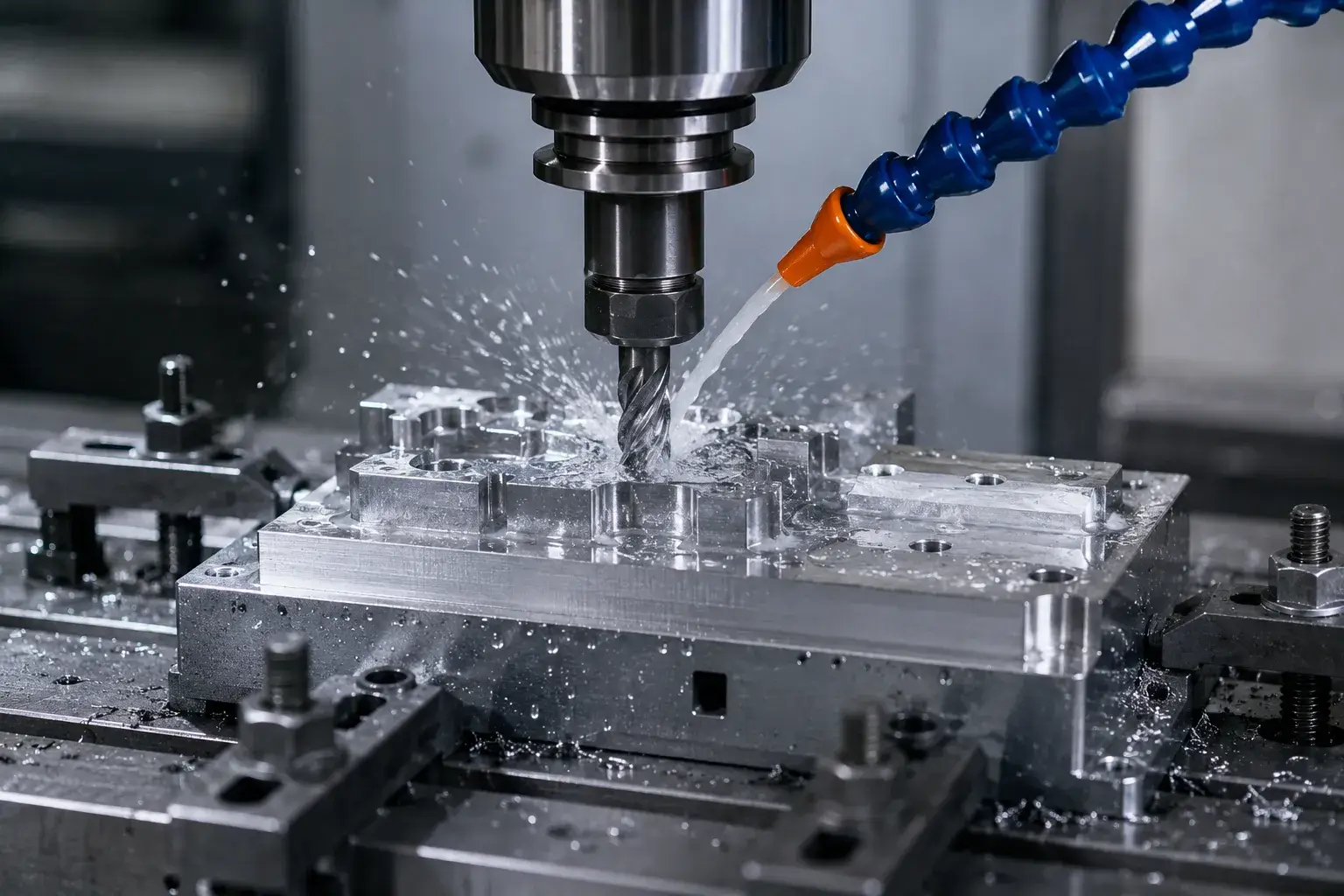
What to Communicate When Customizing CNC Machined Metal Parts

Share Accurate Technical Drawings and Design Specifications Provide Complete and Detailed Technical Drawings for CNC Machining Getting things right starts with clear documentation. When working on parts, engineers typically use CAD programs to build those 3D models while also creating detailed 2D drawings that stick to the ASME Y14.5 guidelines for CNC work. Good drawings should show multiple angles, cut through sections where needed, and clearly mark important details like threads or recesses in the metal. When prototypes need changes, keeping track of versions becomes critical. Some shops embed information directly into files, something like “Revision 1.2 made from 6061 Aluminum” helps everyone stay on the same page and stops mistakes during production runs. Specify Critical Dimensions, Tolerances, and Surface Finishes Identify mission-critical features requiring tight tolerances like ±0.001″ and distinguish them from standard ±0.005″ zones. Use GD&T symbols to clearly define geometric requirements: Tolerance Type Common Application Cost Impact Flatness ≤0.003″ Sealing surfaces +15-20% Concentricity ≤0.002″ Rotating shafts +25-30% Surface finishes should align with function–specify Ra 32 µin for bearing seats and Ra 125 µin for non-critical faces to avoid unnecessary processing. Address Internal Corner Radii and Tooling Limitations in Design Avoid sharp internal corners by applying radii ≥⅓ of cavity depth. For example: 0.5″ deep pocket ─ minimum 0.167″ corner radiusSmall radii require undersized tools, increasing cycle time by up to 40% (Machinery’s Handbook 2022). For thin walls under 0.04″, explicitly note “No Radius” to signal the need for EDM secondary operations. Handle Complex Curves and Varying Radii With Manufacturability in Mind When designing organic shapes, limit curvature changes to ≥5° per 0.1″ to ensure stable toolpaths. For automotive prototypes requiring Class-A surfaces: Convert NURBS surfaces to STEP AP242 format Simplify blends using tangent arcs instead of splines Flag “No Hand Blending” in drawing notesEarly collaboration with machinists can reduce CAM programming time by 30% while preserving design intent. Define Material Requirements and Metal Selection Clearly Specify exact metal types and material grades for CNC machining Precision starts with clear material specifications. Distinguish between alloys like Aluminum 6061-T6 and 7075-T651–6061 offers better machinability (90% relative rating), while 7075 delivers higher strength (83 ksi yield strength). Technical documents should include: Full material standards (ASTM B211, AMS 4125) Heat treatment conditions (T6 temper, solution annealing) Required certifications (mill test reports, RoHS compliance) Understand common metals and plastics used in CNC projects CNC machining supports a range of materials, each suited to specific applications: Material Key Properties Common Applications Aluminum 6061 Lightweight, excellent machinability Aerospace components Stainless Steel 316 Corrosion resistance, durability Marine hardware Titanium Grade 5 High strength-to-weight ratio Medical implants PEEK Plastic Chemical resistance, low friction Semiconductor parts Selecting appropriate materials avoids over-engineering; specialty metals can cost 300–500% more than standard grades without functional benefit. Apply Design for Manufacturability (DFM) Principles Early Engage with manufacturers for DFM feedback before finalizing design Integrate Design for Manufacturability (DFM) early by consulting CNC partners during prototyping. Industry data shows 70% of manufacturing costs are determined at the design stage, making early feedback essential. Sharing preliminary models helps uncover issues like tool access constraints or inefficient material use before production begins. Balance complexity with cost and lead time using DFM best practices Simplify geometries without compromising performance through proven strategies: Replace complex 3D contours with standardized angles where feasible Combine multiple features into single setups Use standard fastener sizes instead of custom threads These approaches reduce machining time by 18–35%, according to precision engineering studies, while maintaining structural integrity. Evaluate five-axis vs. three-axis machining trade-offs Factor 3-Axis Machining 5-Axis Machining Setup Complexity Low (single orientation) High (multi-axis paths) Lead Time 5–7 days 8–12 days Precision Potential ±0.005″ ±0.002″ Reserve five-axis machining for complex geometries or angular access needs to control costs and lead times. Avoid over-engineering: Align design with functional requirements Replace unnecessarily tight aerospace-grade tolerances (±0.0005″) with commercial standards (±0.005″) when acceptable. A 2023 survey found 62% of redesigned parts maintained performance while reducing production costs by 29% through rationalized specifications. Establish Clear Quality Control and Inspection Standards Define Inspection Requirements: 100% Testing vs. AQL Sampling The level of inspection needs to match how important the application actually is. When we’re talking about aerospace parts, there’s no room for shortcuts. Shops do complete dimensional checks on every single piece using those coordinate measuring machines to meet those super tight tolerance requirements specified in ISO 2768 standards. Things work differently in the automotive world where they produce so many units at once. Most manufacturers rely on what’s called AQL sampling according to MIL-STD-105E guidelines. This gives them enough statistical assurance without inspecting everything. Looking across typical CNC operations, most shops have developed different levels of scrutiny. General parts usually get AQL Level II treatment while medical devices classified as Class 3 demand full blown inspections from start to finish because patient safety simply cannot be compromised. Ensure Precision With Tight Tolerance Verification and Reporting While CNC machining achieves ±0.001″ repeatability, consistent results depend on structured verification: First-article inspections to confirm program accuracy In-process checks with laser micrometers for real-time corrections Final validation against ASME Y14.5 GD&T callouts Suppliers should report deviations exceeding 50% of the tolerance band–e.g., ±0.01mm adjustment allowed on a ±0.02mm spec–without triggering rework. For cosmetic surfaces, specify acceptable scratch depths (≤0.1mm per AS9100 Rev D) to minimize non-value-added rejections.

Read More »

Why Choose Affordable CNC Machining in China for Cost-Saving Projects

Significant Cost Advantages of CNC Machining in China 30–50% Lower Costs Compared to Western Suppliers The cost advantage of Chinese CNC machining services is pretty substantial, around 30 to maybe even 50 percent cheaper than what we see from companies in the West, based on some recent cost analysis reports from 2024. A bunch of factors contribute to these savings. Labor costs are obviously much lower there, with skilled workers charging about $6 to $8 an hour compared to the $30 plus that shops charge across North America and Europe. Plus Chinese manufacturers can buy materials in massive quantities which brings down prices further. Their production lines also tend to run smoother overall, cutting waste and speeding things up. For businesses looking at their bottom line, this price difference makes a real impact when considering where to outsource machining work. Labor Cost Differences Between China and Western Countries Cost Factor China (Per Hour) Western Countries (Per Hour) Machinist Wages $6–8 $30–50 Quality Control Personnel $7–9 $35–60 Engineering Support $15–20 $70–100 This labor arbitrage allows manufacturers to reinvest savings into larger production volumes or enhanced prototyping iterations. Affordable Materials and Operational Expenses in China Chinese manufacturers achieve these savings through: Localized material procurement: Aluminum and steel costs 20–25% less due to domestic mining and refining infrastructure. Energy efficiency: Electricity costs average $0.08–$0.12 per kWh, 30–40% below rates in Germany or California. Scaled operations: High-volume CNC workshops lower per-unit costs through 24/7 production schedules. Comprehensive Cost Comparison: China vs. the West A 2023 study of 200 manufacturing projects found total costs for CNC-machined components averaged $18.50/unit in China versus $41.20/unit in the U.S.—a 55% differential. These figures account for tooling, labor, materials, and logistics, demonstrating China’s structural advantages in cost-competitive manufacturing. Integrated Supply Chain and Scalable Manufacturing Efficiency China’s CNC machining ecosystem thrives on vertically integrated supply chains that consolidate material suppliers, precision tooling vendors, and production facilities within concentrated industrial clusters. This geographic proximity enables 30% faster material procurement cycles compared to fragmented Western supply networks, directly reducing lead times and logistics overhead. Streamlined Material Sourcing and Production Workflow Leading suppliers maintain localized inventories of aerospace-grade aluminum alloys, engineering plastics, and cutting tools, enabling just-in-time delivery to machining centers. A 2023 manufacturing efficiency study revealed clustered suppliers achieve 92% on-time material delivery rates versus 67% in decentralized models, minimizing production stoppages. High Scalability for B2B Production Needs Chinese CNC providers utilize modular production lines that scale from 500 to 50,000+ unit batches without retooling costs. During the 2022 global semiconductor shortage, one automotive client leveraged this flexibility to ramp sensor housing production by 300% in 8 weeks while maintaining ±0.01 mm tolerances. Operational Efficiencies in Chinese CNC Facilities Automated workflow systems coordinate 5-axis machining, CMM inspection, and packaging through centralized digital platforms. Real-time monitoring of spindle loads and tool wear patterns reduces defect rates by 18% versus manual tracking, according to a 2024 smart manufacturing report. This integration sustains 95% equipment uptime across multi-shift operations. Balancing High Quality with Low Cost in Chinese CNC Services Maintaining Precision and Quality Standards at Lower Prices The Chinese CNC machining sector manages to offer competitive pricing without sacrificing accuracy thanks to their efficient production systems. Workers there typically earn around $6 to $7 per hour according to International Trade Centre data from 2023, which is about three quarters cheaper than what we see in Western countries. But it’s not just about low wages. Many factories have invested heavily in automated processes and streamlined supply networks that actually cut down on waste and rework. Most notably, over 8 out of 10 manufacturers certified under ISO 9001 standards now use live quality checks during production. These systems help keep mistakes below half a percent even when working within extremely tight tolerances of plus or minus 0.005 millimeters. For companies looking at global manufacturing options, these factors combined make China an attractive choice for precision parts at reasonable prices. Total Cost of Ownership vs. Initial Part Pricing Smart outsourcing decisions require evaluating these key factors: Cost Component China CNC Machining Western Machining Labor 25–30% of Western costs 4x higher base rates Material Procurement Localized supply chains Import-dependent markup Quality Assurance Built into scalable workflows Added audit layers Lead Time 15–20 days average 30–45 days standard This holistic approach lowers total ownership costs by 38–52% compared to focusing solely on per-part pricing. Data-Driven ROI of Outsourcing CNC Machining to China According to a recent manufacturing industry survey from 2023, companies that moved their production operations to China ended up saving around $740,000 each year, and they saw returns on investment within just over a year. The numbers get even more interesting when looking at specific industries. Medical device makers have cut costs by about 40% when they go for those big volume aluminum machining deals. Meanwhile car parts suppliers are getting fantastic results too, with nearly all parts (like 99.1%) passing quality checks at prices that are only about 60% of what they’d pay domestically. All these figures point to one thing clear as day: smart outsourcing strategies not only save money right away but also give businesses a real edge in staying competitive over time. Fast Turnaround and Rapid Prototyping Capabilities Short Lead Times for CNC Prototypes and Production Runs CNC machining companies in China typically get prototypes out within 5 to 7 workdays, while full production takes around 2 to 3 weeks. That’s roughly 30 to 50 percent quicker compared to what we see in Western markets. The reason? Most Chinese manufacturers run everything in house these days. They handle raw materials, actual machining work, and quality checks all at the same facility. Take automotive firms as an example. One major client cut down their component development timeline by almost half, going from 14 weeks down to just 6 weeks. This has really helped speed things up for electric vehicle tech getting to market faster. Smart scheduling software keeps production running nonstop across multiple shifts, so parts move smoothly from digital designs on computer screens right into customers’ hands. Agile Manufacturing for Time-Sensitive B2B Projects Chinese CNC manufacturing centers offer real flexibility when it comes to scaling up production quickly, going from initial prototypes all the way to runs of more than 10,000 units. This matters a lot for companies in aerospace and medical devices where regulations demand fast turnaround times. Take one American robotics company that managed to go through 12 different design versions in just three weeks to keep up with changing requirements. Normally, this kind of work would drag on for around eight weeks if they used regular Western suppliers. The key difference? Engineers and factory workers can work together in real time, so any changes needed get made within a day or two at most. This cuts down on delays that usually happen when departments aren’t properly connected. Real-World Case Studies: Cost Savings with Chinese CNC Partners Case Study: Reducing Production Costs by 40% for a U.S. Tech Firm An IoT startup based in Silicon Valley managed to cut down on component manufacturing expenses by around 40% after teaming up with a CNC machining firm in China. They kept their precision specs at about plus or minus 0.05 millimeters throughout the process. What really made this partnership work was the significant difference in labor costs. Engineering work in China runs between six to seven dollars per hour compared to twenty eight to thirty two bucks here in the US for similar tasks involving complex aluminum parts. These cost savings gave the company extra breathing room to pour money back into research and development efforts. As a result, what would have taken another year to get off the ground ended up hitting the market five whole months ahead of schedule. Case Study: Scaling Medical Device Production Affordably One medical device company managed to slash unit costs by around 30% after ramping up production of surgical instrument housings with help from a CNC shop in Guangdong. Being close to tungsten carbide suppliers meant they didn’t have to pay those pesky import tariffs anymore. Plus, buying materials in bulk through local cooperatives shaved off another 18% on raw materials compared to what they used to pay in Europe according to that 2023 MedTech Sourcing Report. The whole operation stayed within ISO 13485 standards too. All told, these changes saved them approximately $240k during the first year alone, though getting everything set up properly did take some time and effort. Measurable Savings Across Industrial and Automotive Sectors Car part makers are seeing some serious savings when they team up with Chinese manufacturers for transmission components. The numbers range from about 22 to 35 percent lower costs, and one major supplier actually cut their annual expenses by around $220k just on those gearbox housings alone. For industrial equipment companies, China’s supply chain network is a game changer too. Aluminum billets there typically cost about 12% less than wh

Read More »

Sheet Metal Fabrication Design Guidelines: A Comprehensive Guide

Fundamentals of Sheet Metal Fabrication and Design for Manufacturability What Is Sheet Metal Fabrication and How It Works Sheet metal fabrication turns flat sheets of metal into working parts by cutting them out, bending them into shape, and putting everything together. The basic approach involves taking raw materials like steel, aluminum, or sometimes stainless steel and shaping them with specific tools. Press brakes form angles, laser cutters make precise shapes, and welders join pieces together. What makes this process work so well is how it brings together careful engineering with an understanding of how different metals behave. For really exact jobs, manufacturers can get down to tolerances around plus or minus 0.1 millimeters. That kind of accuracy matters a lot when making things like aerospace components or medical devices where even small errors just won’t cut it. Key Stages in the Sheet Metal Manufacturing Process Cutting: Laser cutting services or mechanical shearing creates initial shapes from sheets Forming: Press brakes and rollers apply force to achieve bends and curves Joining: Welding, riveting, or adhesive bonding assemble components Finishing: Surface treatments (powder coating, anodizing) enhance durability Each stage requires strict adherence to Design for Manufacturability (DFM) principles to avoid rework. For example, a 2023 ASM International study showed improper bend radius design accounts for 32% of sheet metal defects. Integrating Design for Manufacturability (DFM) from the Start When companies implement DFM practices early in the design phase, they tend to save money and avoid those frustrating production delays because the part geometry actually works with what can be manufactured. There are several key things designers need to keep in mind. For instance, the bend radius has to be at least a certain size based on how thick the material is. The holes and notches also need proper spacing so parts don’t warp during manufacturing. And don’t forget about tool clearance when planning for punch operations. According to recent industry research from 2024, getting DFM experts involved from day one cuts down on wasted materials by around 18 percent and slashes production mistakes by nearly a quarter. Taking this methodical approach means the final product will function properly while still being something that can realistically be made in a factory setting. Material Selection and Gauge Optimization for Performance and Cost Common Materials Used in Sheet Metal Fabrication: Steel, Aluminum, Stainless Steel According to Parker Research from 2023, around 85% of all materials used in industrial sheet metal fabrication are either steel, aluminum, or stainless steel. Mild steel in gauges between 11 and 16 offers a good mix of affordability and ease of welding, which is why it’s so commonly used for structural parts. Aluminum alloys such as 5052 and 6061 stand out because they combine decent strength with much lower weight, something that matters a lot in both aerospace and car manufacturing. Stainless steel comes in handy when dealing with harsh environments where corrosion would be a problem, particularly grades 304 and 316. However, working with these types through laser cutting can be tricky since they conduct heat very well and tend to harden when worked on, requiring extra attention from fabricators. How Material Choice Affects Laser Cutting Services and Forming Processes The choice of materials has a big effect on how efficiently parts can be processed during manufacturing. Take aluminum for instance it melts at a much lower temperature so laser cutters need to run pretty fast around 8 meters per minute or more just to keep dross from forming. Stainless steel presents another challenge because of its chromium content which means operators typically use nitrogen as an assist gas to stop oxidation problems. And then there’s high strength steel that usually needs some kind of pre annealing treatment before pressing to prevent unwanted spring back after bending. According to research published last year, these material specific adjustments actually make up about 22 percent of all laser cutting expenses. That’s why working closely with design teams early on through what’s called Design For Manufacturability makes such good business sense in the long run. Balancing Strength, Weight, and Cost Through Proper Thickness Selection Using thinner metal sheets in the range of 18 to 22 gauge can cut material expenses anywhere from 15% down to 30%, though this comes at the cost of needing additional support structures such as ribs to maintain strength. When looking at parts that don’t need maximum durability, studies across the manufacturing sector show that going with cold rolled steel under 16 gauge actually reduces shipping weight by about 19% while still meeting basic strength needs. Before finalizing any design decisions though, it’s important to check a few key parameters. The minimum bend radius should be at least equal to the material thickness for steel products. Holes need to stay at least three times the sheet thickness away from any edges. And finally, surface finishes must meet ISO 2768-m standards for acceptable quality levels. Precision Cutting Techniques and Their Impact on Design Efficiency Laser Cutting Services: Achieving High Precision in Complex Geometries Laser cutting today can achieve around 0.1 mm tolerance levels when working on complex shapes, which makes it really suitable for parts that need the kind of precision seen in aerospace applications. The process works by directing a powerful laser beam using computer controlled lenses, allowing it to cut through metal sheets ranging from half a millimeter up to 25 mm thick while causing very little heat distortion. This is important because it helps keep materials flat after they’re cut, something manufacturers care a lot about during subsequent forming steps. According to research published last year, laser technology actually reduces positioning mistakes by approximately 43 percent when compared to traditional punch methods. This difference matters most when dealing with components that have lots of small interlocking features or corners that need to be extremely sharp. Comparing Laser, Plasma, and Water Jet: Thermal vs. Non-Thermal Methods Method Tolerance (±mm) Edge Quality Material Thickness Thermal Impact Laser Cutting 0.1 Smooth, oxidation-free 0.5–25 mm Low (HAZ: 0.2–0.8 mm) Plasma 0.5–1.5 Rougher, slag residue 3–150 mm High (HAZ: 1–5 mm) Water Jet 0.2–0.5 Clean, burr-free 0.5–200 mm None (cold cutting) As shown in this comparative analysis of precision metal cutting techniques, non-thermal water jet excels in cutting heat-sensitive alloys but requires 3x longer cycle times than laser for equivalent thicknesses. Feature-Specific Tolerances and Edge Quality by Cutting Method ISO 2768 standards dictate different edge-quality classes based on cutting method: laser-cut holes < 3x material thickness achieve mK edge roughness (Ra ≤ 12.5 µm); plasma-cut slots require 0.5–1 mm post-cut deburring to meet fK class; water jet achieves cK surface finish without secondary operations. Minimizing Waste and Maximizing Nesting Efficiency in Laser Cutting Layouts Advanced nesting algorithms used in precision laser cutting services reduce material waste by 18–22% through interlocking part geometries within ±0.5° angular constraints, dynamic kerf compensation adjusting for 0.15–0.3 mm beam width, and remnant tracking for reusing sheet fragments >15% original size. This approach enables 92–96% material utilization rates in large-scale production runs. Designing for Bending: Radius, K-Factor, and Avoiding Common Defects Understanding Bend Line, Neutral Axis, and Bend Allowance Fundamentals When sheet metal gets bent, what happens is the outside part actually stretches out while the inside gets squished together. There’s something called the neutral axis in there somewhere – this is basically where nothing really changes during the bending process. It serves as our main reference point when doing all those calculations. Now interesting thing about this neutral axis is how it moves closer to the center as the metal gets thicker. We measure this shift using something known as the K factor, which tells us exactly where along the thickness the neutral axis sits. Take for instance a piece of aluminum that’s 2 millimeters thick. If its K factor is 0.4 then we know the neutral axis lies about 0.8mm away from the inside edge of the bend. Understanding this connection between the neutral axis position and material thickness makes all the difference when figuring out how much extra material needs to be added to reach the desired final measurements after everything gets formed. Calculating K-Factor and Bend Allowance for Accurate Flat Patterns When calculating bend allowances, the formula BA equals pi multiplied by (bend angle divided by 180) times (inner radius plus K factor times thickness) helps account for how materials deform during bending processes. Industry research indicates that K factors ranging from 0.3 to 0.5 can cut down on flat pattern errors by roughly 30 percent when working with structural steel parts. Take for instance a common 90 degree bend where the material thickness is 1.5 mm and the inner radius measures 3 mm. Using a K factor around 0.43 gives us approximately 5.2 mm for our bend allowance. However, engineers need to remember that material properties can vary between batches. That’s why it’s always wise to double check calculated values against actual test samples or run simulations guided by real-world forming data before finalizing designs. Design Rules to Prevent Cracking and Distortion During Bending Bend Radius: Maintain internal radius ≥ material thickness (e.g., 2mm radius for 2mm steel) to prevent fracture Hole Placement: Keep hole

Read More »

Threaded Holes: Types, Methods, Considerations for Threading Holes

Understanding Threaded Holes and Their Role in CNC Machining Definition and Function of Threaded Holes in Mechanical Design Threaded holes basically refer to those cylindrical openings inside materials that have spiral grooves running along their inner walls. These grooves allow screws or bolts to fit securely and can be removed when needed. When forces are applied or vibrations occur, these threaded features help keep everything intact, which is why they play such a big role in precision engineering work. According to research published by NIST in 2023, nearly nine out of ten aerospace parts incorporate threaded holes somewhere in their construction. Think about things like aircraft mounting brackets or systems that need adjustment during operation. This high adoption rate shows just how important threaded holes remain across various mechanical designs despite all the technological advancements we’ve seen recently. Importance of Precision Threaded Holes in CNC Applications Thread tolerances in CNC machining typically fall within ±0.025mm according to the ASME B1.1-2023 standard. This level of precision creates leak proof seals for hydraulic systems and maintains consistent torque transmission when working with robotic components. When thread pitch diameters or flank angles are off just slightly, failures become much more likely. Research published in the Journal of Manufacturing Processes back this up showing failure rates jump around 62% higher specifically in aluminum parts. The latest thread milling methods actually address material deflection issues that happen during those fast cutting operations. These techniques work especially well with materials like hardened steel and various types of thermoplastic where deflection can be quite problematic at high speeds. Types of Threaded Holes: Through Holes vs. Blind Holes Design Characteristics and Advantages of Through Holes Through holes span the entire workpiece thickness, allowing full tool passage and efficient chip evacuation—key benefits in multi-axis CNC applications. According to the 2023 Machining Trends Report, threading speeds improve by 18–24% in aluminum when using through holes due to better coolant flow and debris removal. Key advantages include: Lower risk of tap breakage from chip buildup Compatibility with all thread types (metric, UNF, NPT) Reduced machining time in high-volume production For optimal performance, radial coolant channels help maintain lubrication during drilling by preventing fluid escape (Ponemon 2023). Challenges and Use Cases for Blind Holes with Internal Threads Blind holes terminate within the material and require precise depth control (±0.1 mm tolerance) to avoid tool damage. They are commonly used in cast engine blocks and aerospace components where through passages would weaken the structure. Specialized bottoming taps with 2–3 chamfered threads are needed to maximize usable depth. Common challenges: Chip accumulation leading to increased surface roughness (Ra > 3.2 µm) Limited coolant access, accelerating tap wear Incompatibility with cold-forming thread rolling methods Despite a 32% longer setup time in titanium alloys, blind holes remain vital for threaded insert installations in fuel system components (Machinery Digest 2024). When to Choose Through Holes vs. Blind Holes: A Practical Comparison Through Hole Blind Hole Ideal for connectors, shafts, alignment pins Preferred for sealed joints and weight-sensitive designs Cost-efficient for depths ≤25 mm Costs increase by 40% beyond 15 mm Used in 75% of automotive transmission parts Found in 68% of medical implant fasteners Choose through holes for faster cycle times and extended tool life in CNC machining. Opt for blind holes when internal load distribution or corrosion resistance is critical, but implement adaptive toolpaths and rigid tapping cycles to minimize defects. Threading Methods in CNC Machining: Tapping, Milling, and Rolling Tap Threading: Taper, Plug, and Bottoming Taps Explained Tapping is ideal for small internal threads, with three primary tap types: Taper taps for initial thread engagement Plug taps for intermediate depth threading Bottoming taps to achieve full depth near hole bottoms Using a sequence of all three reduces tool stress by 33% in blind holes (machining efficiency study, 2023). For machine tapping in hardened steels, speeds below 25 SFM prevent fracture, while spiral-flute designs aid chip evacuation. Cutting Tap vs. Forming Tap: Material and Performance Trade-offs Cutting taps remove material and perform well in brittle materials like cast iron, while forming taps displace material and excel in ductile metals such as aluminum. Factor Cutting Tap Forming Tap Thread Strength Standard 15–20% higher Material Compatibility Hard alloys, plastics Soft metals (e.g., 6061-T6) Speed Range 10–50 SFM 25–100 SFM Forming taps reduce cycle times by 40% in automotive aluminum components compared to cutting methods. Thread Milling for High-Precision and Large-Diameter Holes Thread milling is preferred for holes over 12 mm in diameter, delivering ±0.01 mm positional accuracy via helical tool paths. Benefits include: One tool handling multiple thread sizes (e.g., M6–M20) 25% lower torque requirements in titanium (MSC Direct, 2023) Flexibility for asymmetric or custom thread profiles In aerospace, thread milling achieves a 98% first-pass yield in INCONEL® 718 superalloy components through controlled radial depths of cut. Thread Rolling: Cold-Forming Stronger Threads in Ductile Materials This cold-forming process enhances thread strength in ductile materials like 304 stainless steel, increasing fatigue life by 30% over cut threads. Rolling dies apply 2–4 tons of pressure to produce: Work-hardened surfaces (up to 20% harder) Smoother thread roots (Ra 0.4–0.8 µm vs. 1.6 µm for tapped threads) No chips, ideal for high-volume production Pilot Hole Sizing and Tool Selection for Optimal Threading Results Accurate pilot hole sizing prevents tool failure: Thread Size Steel Pilot Hole Aluminum Pilot Hole M6 5.00 mm 5.10 mm M12 10.25 mm 10.40 mm For ISO metric threads, subtract 1.0825 × pitch from nominal diameter. High-speed steel (HSS) tools suit prototyping; carbide extends tool life threefold in runs exceeding 500 parts. Threaded Inserts and Repair Solutions for Challenging Applications When Standard Threading Isn’t Enough: The Need for Threaded Inserts Standard threads often fail in soft materials or high-vibration environments. Threaded inserts provide reinforced internal threads capable of enduring over 10,000 assembly cycles without stripping—crucial for maintenance-intensive sectors. They are necessary when: Base materials lack strength under repeated stress Frequent disassembly is required (e.g., medical devices) Vibration threatens fastener security Helicoil, Press-Fit, Welded, and Key-Locking Insert Types Compared Insert Type Best For Key Advantage Torque Capacity Helicoil® Aluminum/soft metals 360° thread contact, vibration resistance 30–40 Nm Press-Fit Thermoplastics No adhesives or heat required 15–25 Nm Welded High-load steel components Permanent metallurgical bond 50+ Nm Key-Locking Extreme torsional stress Mechanical interlock design 70+ Nm Helicoil wire inserts offer 65% better fatigue resistance than cut threads in aerospace applications. Press-fit variants are used in 42% of plastic reinforcements in automotive assemblies (2023 injection molding trials). Best Practices for Installing Inserts in CNC-Machined Components Hole Preparation: Maintain pilot hole dimensions within ±0.05 mm of specifications—undersized holes cause cracking, oversized ones reduce holding strength Installation Tools: Use ultrasonic heads for polymers and impact drivers for metals Post-Installation: Apply micro-encapsulated adhesives in blind holes for added retention A 2023 survey of 1,200 CNC shops showed torque-controlled toolholders reduced thread failure by 83% compared to manual installation. Material Considerations and Best Practices for Reliable Threading Threading Aluminum, Steel, and Stainless Steel: Managing Galling and Heat When working with aluminum, it’s important to use sharp tools and slow down cutting speeds to avoid sticking problems. Threading operations on steel need sturdy equipment that can handle all those forces involved. Stainless steel presents another challenge entirely since it tends to gall during processing. Special coatings or good quality lubricants really help there. Heat sensitive materials require some extra care too. Flood cooling works well combined with intermittent cutting techniques which stops the metal from getting too hard during machining. This approach helps keep threads intact even after thousands of cycles, maybe around 12,000 or so according to what Machining Trends reported last year. Machining Plastics and Exotic Alloys: Speed, Feed, and Chip Control Thermoplastics need low-friction tool geometries to avoid melting, while CFRP composites benefit from diamond-coated taps to resist abrasion. Inconel and similar exotic alloys require conservative speeds (≤20 SFM) and adaptive chip-breakers. Variable-helix tap designs improve tool life by 40% when machining titanium’s stringy chips. Proven Strategies to Prevent Thread Failure in CNC Production Pre-thread prep: Deburr holes and verify perpendicularity with a coaxial indicator Tool selection: Match coatings to materials (TiN for steel, AlCrN for aluminum) Torque monitoring: Use spindle load sensors to detect cross-threading Implementing these steps reduces thread rework by 62% in automotive CNC workflows. Emerging Trends: Smart Toolholders and In-Process Monitoring in Threading IoT-enabled toolholders detect micro-vibrations during tapping and automatically adjust feeds to prevent breakage. Laser-based systems validate thread pitch mid-operation, achieving ±0.005 mm tolerances in medical device manufacturing. These innovations support industry guidelines recommending

Read More »

Titanium Vs. Aluminum:  Lightweight Metal which is suitable for your project

Strength-to-Weight Ratio and Structural Performance in CNC Applications Titanium’s High Strength-to-Weight Ratio and Its Engineering Significance When it comes to CNC machining materials, titanium stands out because of its incredible strength compared to its weight. It actually holds up just as well as stainless steel but weighs about half as much. According to the World Materials Database from 2023, titanium has a specific strength rating around 260 kN m/kg. This makes it possible to create parts that are both light and strong enough for things like airplane components and surgical implants where they need to withstand pressure without adding unnecessary bulk. The real advantage becomes clear when we look at practical applications. For aircraft manufacturers, every gram saved translates into better fuel economy over long haul flights. In medical devices, lighter implants mean less strain on surrounding tissues during movement, which doctors consider extremely important for successful patient outcomes. Comparison of Tensile Strength Between Titanium and Aluminum Titanium alloys such as Ti-6Al-4V have tensile strengths ranging from around 900 to 1,200 MPa, which puts them on par with structural steel. Aluminum by comparison usually falls somewhere between 200 and 600 MPa in strength. Even though aluminum weighs less than half what titanium does (about 2.7 grams per cubic centimeter versus 4.4 for titanium), this doesn’t compensate for its weaker mechanical properties when put under stress. For those working with precision CNC machines where parts need to hold up against significant weight or force, many manufacturers still go with titanium for critical load bearing parts despite the fact that it costs more to machine. Density and Weight Differences Affecting Performance in Precision Components A CNC-machined titanium flight control component weighing 1.2 kg can match the structural integrity of a 2.3 kg aluminum equivalent, achieving a 47% weight reduction. This significantly enhances aircraft payload capacity and reduces energy consumption. However, aluminum remains widely used in electronic enclosures and heatsinks, where thermal performance outweighs stringent weight constraints. Case Study: Material Selection in Aerospace CNC-Machined Parts When engineers went back to the drawing board for a satellite mounting bracket design, they managed to cut down on weight by nearly 30% simply by replacing aluminum 7075 with titanium Grade 5. The catch? They had to meet that same 850 MPa fatigue strength spec as before. Sure, the price tag jumped by around $2,400 for the better material, but look at it this way: over the whole life of the spacecraft, those extra bucks saved them $18,000 worth of fuel costs. Makes sense when we think about it, right? Titanium might cost more upfront, but in the world of aerospace CNC manufacturing, those long term savings really add up. Thermal Behavior and Machinability in CNC Machining Processes Thermal Conductivity Comparison: Aluminum’s Cooling Advantage vs. Titanium’s Heat Resistance Aluminum has really good thermal conductivity at around 235 W/mK which means it can get rid of heat pretty well when running those high speed CNC machines. This helps keep tools from wearing out so fast and stops too much heat from building up in the system. On the flip side, titanium doesn’t conduct heat nearly as well with only about 7.2 W/mK. What happens is the heat gets stuck right where the cutting takes place, and this makes parts more likely to warp or deform after machining. Some recent tests on CNC processes showed that aluminum actually moves heat away about three times quicker than titanium does. Still worth noting though, titanium holds its shape much better when things get hot for long periods. That’s why we still see it used a lot in aerospace parts that need to withstand some serious temperature extremes without changing dimensions. Heat Dissipation Challenges in High-Speed CNC Machining When spindle speeds go above 15,000 RPM during titanium machining, things get really hot fast – sometimes reaching over 600 degrees Celsius. That kind of heat means shops need special cooling solutions like liquid cooled tool holders or even cryogenic systems just to keep those pesky thermal expansion issues at bay. Aluminum handles heat better on its own, but there’s a catch. The metal expands quite a bit more than titanium does (23.1 micrometers per meter degree Celsius versus only 8.6 for titanium). This difference can actually shift precision parts by tiny amounts after long machining runs. Looking at thermal stability data reveals something interesting too. Titanium cuts down on post machining distortion by around 40 percent compared to aluminum, which makes it especially valuable for making turbine blades where even the smallest dimensional changes matter. Tool Wear, Cutting Efficiency, and Production Costs in Titanium vs. Aluminum Machining The hardness of titanium around 36 HRC really takes a toll on tools, making carbide inserts wear out twice as fast when compared to working with aluminum. Because of this, manufacturing parts from titanium ends up costing anywhere between 60 to 80 percent more in aerospace applications where precision matters most. On the flip side, aluminum’s much softer nature at approximately 15 to 20 HRC lets machinists run their equipment 2 to 3 times quicker, which is why we see so many car manufacturers relying on it for mass producing components. While there are ways to bring down some of those titanium costs through special coatings on cutting tools and better path planning during machining, nothing beats aluminum when it comes to budget friendly mass production where getting things done quickly is absolutely essential. Corrosion Resistance and Long-Term Durability in Demanding Environments Titanium’s Surface Stability and Corrosion Resistance in Harsh and Marine Environments Titanium stands up well against corrosion even in harsh environments because of its unique oxide layer that keeps repairing itself when exposed to saltwater, various acids, and industrial chemicals. Because of this property, engineers often choose titanium for parts used in marine settings like ship propeller shafts or complex offshore fluid handling systems. Some newer titanium alloys can actually hold their strength in very acidic conditions down to pH level 3, which is pretty impressive given what we know from materials studies lately. These properties mean these components can last many years before showing signs of wear or failure. Oxidation and Galvanic Corrosion Risks in Aluminum Under Industrial Conditions Aluminum tends to oxidize pretty quickly when exposed to moisture or salt air, creating a fragile outer layer that messes with the dimensional stability of parts made through CNC machining. Put aluminum next to other metals in an assembly, and watch out for trouble because its electrochemical properties actually speed up galvanic corrosion between different metal components. Some accelerated tests have revealed something interesting too aluminum couplings break down about five times quicker compared to titanium ones when subjected to marine conditions. This makes them less trustworthy for applications where corrosion resistance matters most. Lifecycle Maintenance: When Lighter Aluminum Demands More Upkeep Than Titanium Aluminum definitely cuts down on component weight quite a bit compared to titanium, maybe around 40 to 60 percent depending on the application, but there’s a catch. The problem is that aluminum corrodes much easier than titanium does, which ends up costing more over time. When we apply protective coatings such as anodizing, that adds roughly 15 or so percent to the price tag of each part. And these coatings don’t last forever either. In really tough environments, they need to be reapplied somewhere between three and five years later. That’s why many industries still go for titanium despite the higher upfront cost. Titanium just lasts longer without needing constant maintenance, making it worth the investment for things where reliability matters most, like aerospace components or medical implants where failure isn’t an option. Applications Across Aerospace, Medical, and Automotive Industries Aerospace and aviation: Balancing weight, strength, and reliability through material choice When it comes to making parts that really matter in airplanes, titanium is what engineers reach for. Think turbine blades or those important structural fittings where safety absolutely depends on getting the balance right between strength and weight. Sure, it costs more than other materials, but sometimes paying extra makes sense when lives are at stake. For things that don’t need to hold everything together though, aluminum alloys work great. They’re often found in interior panels and similar areas where weight savings count. According to recent industry data from 2023, switching from steel to aluminum can cut down weight by somewhere around 30 to 40 percent. Computer Numerical Control (CNC) machines handle both metals with amazing precision these days. The tolerances they achieve are under 0.005 inches for engine mounts made of titanium as well as wing ribs crafted from aluminum. This level of exactness isn’t just impressive technically it actually helps planes fly better because lighter aircraft consume less fuel during flights. Medical device innovation driven by titanium’s biocompatibility and CNC precision The reason why titanium has become so popular for joints? Its amazing ability to work well inside the body. About 9 out of 10 joint replacements today use this metal, and when made with computer controlled machining, these implants have shown nearly perfect results in recent tests from last year. The fancy five axis machines can actually carve special textured surfaces onto hip implants that help b

Read More »

CNC Machining vs. Casting: The Definitive Guide

What Defines CNC Machining Services in Modern Manufacturing CNC machining services use computer controlled tools that cut away material from solid blocks to create exact shapes through what’s called subtractive manufacturing. The main parts include things like multi axis spindles, automatic tool changers, and smart controllers which allow for really tight tolerances around plus or minus 0.005 mm. That kind of accuracy matters a lot for industries where precision is everything. According to a report on precision manufacturing released last year, these CNC systems actually cut down on human mistakes by about 73% when compared with old school manual methods, especially noticeable when making those complicated aerospace components. Top shops focus heavily on strong work holding systems and cutting tools that adjust themselves to deal with all sorts of materials ranging from regular aluminum alloys right up to tough stuff like titanium. Core Principles of Casting: From Sand to Die Casting Methods The casting process involves pouring molten metal into molds to create parts. Sand casting typically uses expendable molds and works well for smaller production runs, especially when making parts for heavy machinery in batches above 50 units. Die casting on the other hand relies on durable steel dies that can be reused many times, making it ideal for large scale manufacturing where speed matters most. Automotive manufacturers often turn to die casting because these machines can produce anywhere from 200 to 500 parts every hour. When it comes to quality control, factors such as the temperature at which metal is poured (usually between around 650 degrees Celsius up to nearly 1600 degrees) play a big role in determining how solid the finished product will be once cooled. Solidification rates are another important consideration throughout the process. Interestingly enough, newer developments in vacuum assisted casting techniques have managed to cut down on those pesky porosity issues by about forty percent, which means better looking surfaces across all manufactured items. Key Differences Between Casting and CNC Machining in Material Removal vs. Formation Factor CNC Machining Casting Material Action Subtractive (removes material) Formative (shapes material) Tolerance ±0.005±0.025 mm ±0.1±0.5 mm Lead Time 1±5 days (no tooling required) 2±8 weeks (mold creation) A 2023 Aerospace Component Integrity Study confirmed CNC machining achieved 99.8% compliance in wing spar tolerances, while casting methods struggled with less than 85% accuracy due to thermal shrinkage. Precision, Tolerance, and Quality: CNC Machining vs. Casting Comparison Tolerance Levels Achievable in CNC Machining vs. Die Casting Comparison When it comes to tight tolerances, CNC machining really stands out compared to traditional die casting techniques. Most CNC operations hit around ±0.01 mm accuracy, whereas die casting usually lands somewhere around ±0.25 mm. That makes a world of difference when working on parts where precision matters most. The reason behind this gap lies in how each process works fundamentally different. CNC machines cut away material bit by bit, so there’s no risk of those pesky pores that often show up in castings. Take modern 5-axis CNC systems for instance they can hold tolerances as small as 0.0004 inches even on complicated shapes. Sand casting just doesn’t match that kind of consistency without going through extra machining steps afterward to get anywhere close. Repeatability and Precision Under High-Volume Production Conditions Automated CNC workflows deliver 99.8% repeatability across production batches exceeding 10,000 units—a feat unattainable in traditional casting operations. Casting processes face inherent variability from mold degradation and molten metal flow dynamics, often requiring 12–18% scrap allowances versus CNC machining’s 3–5% waste rates in optimized setups. Case Study: Aerospace Component Requiring Tight Tolerances Met Only by CNC Machining A recent turbine blade project demonstrated CNC’s superiority when cast prototypes failed 78% of pressure tests. CNC-machined Inconel 718 components met 0.005 mm profile tolerances critical for supersonic airflow control, achieving 100% compliance with AS9100D aerospace standards. Advancements in Near-Net-Shape Casting Improving Dimensional Accuracy While vacuum-assisted casting now achieves 90% dimensional accuracy in initial casts, post-casting CNC machining remains essential for mating surfaces and threaded features. New binder jetting techniques have reduced casting draft angles to 0.5°, narrowing—but not eliminating—the precision gap with CNC processes. Material Compatibility and Design Flexibility in CNC and Casting Applications Common Metals Used in Casting and Their Machinability Post-Production In casting operations, materials such as aluminum A356, zinc ZA-8, and various iron alloys including gray iron (which meets ASTM A48 standards) are frequently used because they flow well and manage shrinkage effectively during solidification. Most of these materials need additional CNC machining after casting to get those tight dimensional specs right. Take die cast aluminum for instance it tends to cause tools to wear down about 20 percent quicker compared to regular wrought alloys when being milled. This finding comes from industry data published in last year’s Manufacturing Materials Report by the American Foundry Society. The difference matters quite a bit for shops looking to optimize their production costs over time. Metal Casting Suitability Post-Casting Machinability Rating (1–10) Aluminum A356 Excellent 8.5 Zinc ZA-8 Good 9.2 Gray Iron Excellent 6.0 The Makerverse machining guide highlights how silicon content in cast aluminum accelerates tool wear, requiring adaptive feeds during CNC finishing. Material Selection in Casting and CNC Machining: Aluminum, Steel, and Specialty Alloys While both processes handle aluminum, cast versions like 319.0 exhibit lower tensile strength (276 MPa) versus CNC-machined 6061-T6 (310 MPa). Steel components face divergent paths: investment casting suits complex shapes in 4140 alloy, whereas CNC machining services dominate 17-4PH stainless steel parts requiring ±0.025 mm tolerances. Limitations in Material Compatibility for Internal Geometries in Casting Casting’s reliance on mold separation planes restricts internal channel complexity. Although sand casting cores can create basic cavities, features like helical coolant paths in engine blocks require post-casting CNC drilling—adding 15–30% to production costs. Complex Geometries: Internal vs. External Features in Casting and CNC Machining Casting excels at producing organic external shapes like turbine housings in one piece, while CNC machining enables precise internal features such as fuel injector micro-channels (Ø0.5±0.01 mm). Multi-axis CNC systems overcome traditional limitations, machining 83° undercuts unreachable by standard casting tooling. Design Limitations in CNC Machining and Casting for Undercuts and Thin Walls When dealing with undercuts in castings, manufacturers often need those costly collapsible cores which can really eat into budgets. Tooling expenses jump anywhere from 40 to 60 percent higher for things like valve bodies. The good news is 5 axis CNC machines handle undercuts pretty well through clever tool positioning angles. But watch out for those super thin walls under 0.8 mm in aluminum parts because they tend to bend or warp when tools deflect during machining. The Precision Machining Institute pointed this out back in 2022 after running some tests. Most shops stick to keeping wall thickness ratios below 5 to 1 across both casting and machining operations since going beyond that just invites trouble with stress buildup in the final product. Production Volume, Cost-Effectiveness, and Lead Time Analysis Cost Considerations in Metal Fabrication at Low vs. High Production Volumes For small runs between 1 and 500 pieces, CNC machining really shines because there’s not much needed in terms of special tools or complicated setups. What makes this work economically is that when making smaller quantities, those one-time costs for programming machines and creating fixtures get spread out over fewer items without dramatically increasing what each part costs. But look at the numbers from actual factory floor reports and something interesting happens around the 1,000 unit mark. Casting suddenly becomes about 40 to maybe even 60 percent cheaper than going with CNC methods. When companies start producing in high volumes, they can take advantage of cast molds and dies which were initially expensive but then get divided among thousands of products. This means individual parts end up costing roughly 85% less than if made through traditional CNC processes. The math just works better for large orders. When Casting Becomes Economical: Production Volume Impact on Process Choice When it comes to saving money on production runs, casting becomes more cost effective than CNC machining once we hit around 500 to 2000 units, though this really depends how complicated the part design actually is. For aluminum sand casting, most manufacturers find they break even financially somewhere around 800 pieces for medium sized components. Zinc alloy die casting tends to reach that same cost match point closer to 1200 units or so. Things get interesting with multi cavity molds too. These special setups can churn out 4 to 8 identical parts all at once, which means the sweet spot where casting beats machining happens much sooner than these numbers suggest. Many shops actually start seeing benefits from casting well before reaching those threshold counts when working with multiple cavities. Break-Even Analysis: Units Where CNC Machining Services Lose Cost Advantage For a standard 150mm aluminum housing, CNC machining costs $78/unit at 100 pieces. The same part in high

Read More »

Surface Roughness Chart: Understanding Surface Finish in Manufacturing

What Is Surface Roughness and Why It Matters in CNC Milling Defining Surface Roughness in Manufacturing Contexts Surface roughness basically measures how bumpy or smooth a machined surface is, typically expressed in micrometers (microns) or microinches. The tiny bumps and valleys come about because of various things during CNC milling operations including vibrations from tools, characteristics of the materials being worked on, and settings used for cutting speeds and feeds. According to research published in the Mechanical Systems Journal back in 2023, when surface roughness stays below 1.6 microns (Ra value), friction between parts drops around 40% compared to surfaces that are rougher than 3.2 microns. This makes a real difference in applications where components experience heavy stress, such as bearings found in aircraft engines or sealing systems within hydraulic equipment where even small improvements can lead to better overall performance and longer component life. The Role of Surface Finish in Part Functionality and Performance How surfaces are finished affects how long parts last and how well they work. Take medical implants for example they need really smooth surfaces with Ra values under 0.8 micrometers so bacteria doesn’t stick to them. Engine cylinders tell a different story though these components actually benefit from some controlled roughness between 0.4 and 1.6 micrometers because it helps hold onto oil better. According to recent data from the industry in 2024, about one third of parts failing early on were traced back to wrong surface finish specs. This shows just how important getting those surface details right is when it comes to resisting wear and maintaining strength over time. How CNC Milling Influences Surface Roughness Outcomes CNC milling parameters are key determinants of surface texture: Tool Path Optimization: Helical interpolation reduces Ra values by 25% compared to linear milling Spindle Speed: Increasing RPM by 15%—30% lowers Rmax in aluminum alloys Stepover Distance: Keeping stepover at ‐10% of tool diameter achieves Ra ‐ 1.2 µm in steel components Adaptive toolpaths combined with variable feed rates can reduce machining time by 18% while maintaining Ra ‐ 0.8 µm in titanium parts, according to a recent CNC machining study. Key Surface Roughness Parameters: Ra, Rz, Rmax, and RMS Explained Understanding average roughness (Ra) as the most common metric Arithmetic average roughness (Ra) measures the mean deviation of surface peaks and valleys from a centerline and is used in 78% of CNC milling specifications. While Ra values between 0.8—3.2 µm meet general industrial needs, critical applications like hydraulic seals often demand finishes below 0.4 µm. Complementary parameters address Ra’s limitations: Parameter Measurement Focus Key Difference vs. Ra Rz Peak-to-valley averages across 5 samples 4-7x higher sensitivity to tool marks Rmax Single deepest valley depth Detects critical defects Ra misses RMS Quadratic average of deviations 11-22% higher than Ra values Rmax is particularly valuable in detecting machining errors that Ra may average out, especially in safety-critical medical implant surfaces. Rz and Rmax: Measuring peak-to-valley variations in surface texture The Rz parameter measures how much variation there is in surface roughness by looking at the average peak-to-valley height over five different sections. Because of this approach, it picks up on those random tool mark imperfections that other methods might miss entirely. When we talk about parts for aircraft manufacturing, anyone seeing Rz readings consistently above 6.3 micrometers should probably check if cutting tools are getting worn down or if operators are pushing feed rates too high. Medical device manufacturers face even stricter standards. A tiny depression just 0.5 micrometers deep somewhere on a surgical instrument surface could actually prevent proper sterilization according to ISO 13485 guidelines. That’s why controlling Rmax becomes so critical in these applications where microscopic details literally matter for patient safety. Root mean square (RMS) vs. Ra: Differences and applications Root mean square roughness (RMS/Rq) uses quadratic averaging to emphasize extreme deviations, making it ideal for optical components. A 0.1 µm RMS finish reduces light scattering by 40% compared to equivalent Ra values, which is crucial for precision lenses and reflective surfaces. Other parameters: CLA, Rt, and their relevance in technical specifications Centerline average (CLA) is functionally identical to Ra and still appears on legacy automotive drawings. Total height roughness (Rt) helps identify thermal deformation in large milled castings—studies show Rt exceeding 12.5 µm correlates with 92% of premature bearing failures in gearbox components. Measuring and Interpreting Surface Finish Using Roughness Charts and Standards Contact and non-contact measurement methods for surface roughness Stylus profilometers give pretty much spot on readings for Ra and Rz values when measuring metals and other hard materials, since they actually touch the surface during testing. For those really fragile items though, companies turn to non contact approaches such as optical profilometry which scans surfaces using lasers or white light instead. This works great for things like medical implants or finely polished optical components where even the slightest scratch would be a problem. The numbers are looking good too recent studies indicate these non contact methods hit around plus or minus 5 percent accuracy on complicated shapes, which makes them increasingly popular among manufacturers working on precision parts that simply cannot tolerate measurement errors. How to read a surface roughness chart (Ra, Rz, RMS, N-scale) Roughness charts basically connect numbers to different machining techniques. On these charts, the vertical axis shows surface roughness values measured in micrometers or microinches, while across the bottom we find various manufacturing processes listed out. Take for example Ra 0.8 microns which matches up pretty well with precision CNC milling operations. Compare that to something like Ra 6.3 microns that’s typically what comes from rough saw cutting jobs. There’s also this N scale system that helps compare finishes. At the high end, N5 means surfaces that look almost like mirrors with readings below 0.025 microns Ra. Down at the other end of the spectrum, N12 describes those really rough surfaces where measurements exceed 25 microns Ra. These scales give manufacturers a common language when talking about surface quality requirements. Converting micrometers to microinches and ensuring unit consistency Engineers working across different measurement systems need to remember that 1 micrometer is actually 39.37 microinches. This basic conversion becomes critical when comparing design specifications with actual measurements. Take surface finishes as an example: what looks like a modest 1.6 micrometer Ra specification translates to around 63 microinches. That kind of difference matters a lot when switching between metric ISO standards and imperial ASME ones during production. Last year in the aerospace industry alone, about 12% of all quality issues stemmed from simple unit conversions gone wrong. No wonder so many shops are investing in automated conversion tools within their CAM software these days. Getting those numbers right just saves time and money down the line. Standardized symbols and abbreviations in technical drawings Surface finish callouts use standardized symbols: Ra 0.8 (√¾): Maximum allowable average roughness Rz 3.2 (√): Required mean peak-to-valley height Lay direction (┆): Indicates orientation of tool marks These annotations help prevent misinterpretation across engineering and production teams, improving compliance in 83% of cross-functional operations according to GD&T audits. ISO vs. ANSI standards and industry-specific chart variations Ra has become the go to surface roughness measurement worldwide thanks to ISO 4287, though many shops in North America still stick with ANSI B46.1 for their automotive work. When it comes to aerospace components, manufacturers typically need those Wa measurements according to ASME B46.1 specifications. Medical device companies are even stricter about surface finish requirements, enforcing tight Rmax controls as part of their ISO 13485 certification process. Given all these different standards floating around globally, most Coordinate Measuring Machine software now includes digital overlays that let engineers compare against several standard charts at once, making it easier to stay compliant throughout complex supply chains. Analyzing Surface Texture: The Role of Lay, Waviness, and CNC Tool Path Differentiating Roughness, Waviness, and Lay in Surface Texture Analysis When talking about surface texture, there are basically three main aspects to consider roughness, which refers to those tiny bumps and valleys at a micro level; waviness, those bigger ups and downs across the surface; and then there’s lay, which describes how the tool marks run in specific directions. For CNC milling operations, roughness values usually fall somewhere between 0.4 and 6.3 micrometers Ra. This matters because it directly impacts how parts rub against each other and how long they’ll last before wearing out. If we see waviness patterns where the waves are longer than half a millimeter, that’s often a red flag for machine calibration problems that need fixing. The direction of the lay matters too. Parts with parallel, perpendicular, or radial orientations handle lubricants differently, which becomes really important when dealing with moving components subject to repeated stress cycles. Getting this right can make all the difference in component longevity and performance. How Tool Path and Feed Direction Influence Surface Lay Patterns Modern CNC stra

Read More »

How Custom Machined Aluminum Parts Enhance Durability in Industrial Equipment

Why Custom Machined Aluminum Parts Deliver Superior Durability Understanding the Durability of Aluminum in Industrial Applications Aluminum has qualities that really stand out when it comes to lasting in tough industrial settings. Studies show it can handle about 12 to 15 percent more stress than steel during those repetitive load cycles mentioned in the Industrial Materials Journal back in 2023. Plus, aluminum naturally forms an oxide coating that protects against rust and chemical damage even in damp places or areas with harsh substances around. Look at parts such as conveyor belts or robot limbs where these benefits matter most. Equipment made from aluminum tends to last roughly 40% longer before needing replacement compared to regular steel versions without any special treatment. Why Custom Machined Aluminum Parts Outperform Standard Components With precision CNC machining, engineers can tweak how materials are shaped so they handle stress better in real world conditions. According to research published last year on manufacturing efficiency, companies using custom made aluminum parts saw around 32 percent fewer breakdowns on their production lines when compared to standard store bought components. When manufacturers cut away unnecessary material and design parts specifically for how forces will act upon them during operation, these custom made pieces end up being stronger relative to their weight while still maintaining good structural stability. Many shops have started making this switch because it actually works better in practice than just relying on generic parts from suppliers. Linking Precision Machining to Long-Term Equipment Reliability Tolerances within ±0.001” in CNC-machined aluminum parts minimize vibration-induced wear in high-RPM machinery. This precision ensures proper alignment in gearboxes, hydraulics, and actuator systems, reducing unplanned downtime by up to 29% over 5-year equipment lifecycles (Reliability Engineering Quarterly, 2023). Material Advantages: Strength-to-Weight Ratio and Corrosion Resistance Strength-to-Weight Ratio of Aluminum Alloys in Industrial Contexts When it comes to custom machined aluminum parts, they strike just the right balance between staying strong enough and keeping things light. Take alloy 6061 for example it can hold up to around 310 MPa of tension force despite weighing only about 2.7 grams per cubic centimeter. The real magic happens when we look at that strength compared to how little these parts actually weigh. Industrial machines benefit greatly from this because they can deal with all sorts of moving forces without losing their ability to move quickly and precisely. That makes a world of difference in fields like aerospace engineering or robot manufacturing, where saving even tiny amounts of weight translates directly into better fuel economy and overall performance improvements across the board. Comparative Analysis: Aluminum vs. Steel in Load-Bearing Applications Steel definitely has more raw strength, somewhere around 400 to 550 MPa, but that comes at a cost since it weighs about 7.85 grams per cubic centimeter. For many modern industrial applications where things need to move around, this just isn’t practical anymore. Looking at recent tests and comparisons done by top engineering firms, we find that aluminum alloys can handle roughly 76 percent of what steel does when it comes to carrying loads, yet they only weigh about a third as much. No wonder why so many manufacturers have switched to aluminum for parts in conveyor belts and various machine components these days. The lighter weight makes such systems easier to operate and maintain over time. Corrosion Resistance in Aluminum Parts Under Harsh Industrial Conditions Aluminum naturally resists corrosion because it forms an oxide layer that actually repairs itself when damaged, stopping the metal from breaking down even in damp places or areas with harsh chemicals. Steel parts need special coatings to protect them, but good quality anodized aluminum can last well over 15 years without losing shape or integrity. We’ve seen this happen time and again on offshore oil platforms and in chemical factories where other materials would fail much sooner. The industry has been tracking these results for years now, showing just how reliable aluminum remains under tough conditions. Top Aluminum Alloys for CNC Machined Aluminum Parts and Their Applications Common Aluminum Alloys Used in Machining (e.g., 6061, 7075) In both aerospace and automotive manufacturing, companies turn to aluminum alloys such as 6061 and 7075 when they need custom machined parts because these materials strike a good balance between strength, weight considerations, and how easy they are to work with during production. Alloy 6061 is probably the go to choice for many applications since it resists corrosion pretty well and can be welded, making it suitable for things like hydraulic systems or robotic components. On the other hand, 7075 offers significantly greater strength than 6061 about two to three times stronger actually reaching around 83 ksi which makes it ideal for structural parts where extreme durability matters most in aircraft construction for example. Manufacturers often specify this grade when the application demands real toughness under stress conditions. Performance Comparison of 6061, 7075, 2024, and 5052 in Industrial Settings Recent material testing (ASTM 2023) reveals key differences: 6061: Ideal for complex CNC machining (<$5.50/lb) with 42 ksi yield strength 7075: Highest stress tolerance (73 ksi yield) for aviation actuators 2024: Fatigue-resistant for aircraft fasteners but less corrosion-resistant 5052: Superior marine performance (saltwater corrosion <0.1 mm/yr) Selecting the Right Alloy for Temperature, Stress, and Environmental Exposure Manufacturers prioritize 6061 for moderate environments (up to 300°F) due to its proven cost-efficiency in standardized industrial equipment. For subzero conditions, 5083 maintains 90% strength retention at -40°F, while 7075’s zinc-based composition withstands cyclical loads in mining machinery. Case Study: 7075 Aluminum in High-Stress Aerospace-Grade Industrial Tools A 2022 FAA-approved retrofit of helicopter rotor components demonstrated 7075’s superiority over steel alloys, reducing part weight by 57% while sustaining 650 MPa cyclic stresses. This shift decreased fuel consumption by 11% over 5,000 flight hours, validating its use in mission-critical industrial systems. Precision Engineering Through CNC Machining for Consistent Performance How CNC Machining Ensures Dimensional Accuracy in Custom Machined Aluminum Parts CNC machining gets down to the micron level when making custom aluminum parts because it follows automated paths set up by CAD/CAM software. The biggest advantage? No human mistakes creep in during production. Components come out with incredibly tight tolerances sometimes as small as plus or minus 0.005 mm. That matters a lot in sectors such as aerospace engineering where even something as tiny as 0.1 mm off track could mean serious problems for structural strength. Take look at real world applications too: Aluminum housings made via CNC for robotic arm assemblies stay aligned within just 0.01 mm over tens of thousands of operation cycles according to recent industry standards from 2023. Such consistency makes all the difference in high precision manufacturing environments. Tolerance Levels Achievable With Modern CNC Machined Aluminum Parts Modern CNC systems provide tiered precision capabilities: Tolerance Class Industrial Application Example Use Case Standard (±0.1 mm) General machinery Conveyor system brackets High-Precision (±0.025 mm) Semiconductor equipment Vacuum chamber flanges Ultra-Tight (±0.005 mm) Medical imaging devices MRI scanner components These tolerances are maintained through temperature-compensated spindles and real-time vibration damping systems. A 2024 study found CNC-machined aluminum parts retained 98.7% of specified tolerances after five years in heavy industrial use. Trend: Integration of AI-Driven Toolpath Optimization in CNC Systems Manufacturers across the industry are starting to use AI systems these days that look at how hard materials are and track when tools start wearing down, then tweak the machining settings on the fly. What does this mean? Well, companies working with aluminum parts see their scrap rates drop around 40%, which is pretty impressive. The surfaces they produce also meet those tight Ra 0.4 micrometer standards consistently. Some shops that got in early with this tech tell us their cycle times went down about 22% for tricky shapes such as turbine impellers, all while keeping measurements spot on. Makes sense really, since nobody wants to waste good materials or spend extra time fixing things after the fact. Extending Service Life with Surface Finishing and Post-Processing Post-Processing Techniques for Aluminum Parts (e.g., Anodizing, Coating) Surface finishing transforms custom machined aluminum parts from functional components to durable industrial assets. Common techniques include: Anodizing: Creates a porous oxide layer for enhanced adhesion and protection Powder coating: Applies electrostatic polymer resins for impact resistance Chemical films: Forms thin protective layers for electrical conductivity preservation A 2024 manufacturing analysis reveals 72% of industrial operators now mandate at least two post-processing treatments for aluminum components exposed to corrosive environments. Anodizing Benefits: Wear Resistance and Extended Service Life Hardcoat anodizing increases surface hardness to 60–70 Rockwell C—comparable to some tool steels—while maintaining aluminum’s signature lightweight properties. This electrochemical process: Reduces abrasive wear by 83% compared to untreated surfaces (ASTM G65 test data) Prevents galvanic corrosion in salt spray environments for 5,000+ hours (ISO

Read More »

What to Know When Sourcing CNC Machining Parts from China

Understanding Quality Control in CNC Machining Parts China Supply Chains Core Elements of Quality Control and Inspection Processes Effective quality control in CNC machining parts China supply chains begins with rigorous inspection protocols. Key elements include: First-Article Inspections (FAI) to validate initial production samples Statistical Process Control (SPC) monitoring of machining parameters like tool wear (±0.002 mm tolerance thresholds) Material Certification audits to verify alloy composition and heat treatment compliance These layered checks ensure adherence to ISO 9001:2015 quality management benchmarks, with leading suppliers achieving <0.5% defect rates in validated production runs. Real-Time Dimensional Measurement and Digital Inspection Reports Advanced Chinese manufacturers deploy 3D laser scanners and coordinate measuring machines (CMMs) for 100% dimensional verification of critical features. A 2024 manufacturing benchmark study showed automated inspection systems reduced dimensional errors by 63% compared to manual methods. Digital reports provide: Micron-level deviation mapping Cross-sectional surface finish analysis (Ra ≤ 0.8 μm) Traceable measurement logs essential for aerospace and medical applications This real-time data integration enables rapid corrective actions and strengthens regulatory compliance. How a U.S. Medtech Firm Reduced Defect Rates by 40% with ISO 9001-Compliant Suppliers A medical device manufacturer facing FDA compliance issues partnered with Guangdong-based CNC shops implementing comprehensive quality assurance protocols. Through dual-sided process validation and sealed sample exchanges, the collaboration achieved: 40% reduction in particulate contamination incidents 92% first-pass yield rate for titanium bone screws AS9100D-certified documentation streamlining FDA audits The success hinged on shared quality metrics, transparent communication, and supplier accountability tied to performance benchmarks. Implementing Quality Assurance Clauses in Supplier Contracts Strategic buyers mandate contractual terms that enforce quality standards: Requirement Enforcement Mechanism Third-party material testing 5% batch hold until certification On-demand production audits $10k/day penalties for access denial Real-time machine data feeds Annual $25k technology compliance bonus These clauses create measurable incentives for consistent quality and allow buyers to maintain oversight across multi-tier supply chains without direct daily supervision. Evaluating Certifications and Compliance for CNC Machining Parts China Production Essential Certifications: ISO 9001, AS9100, and Industry-Specific Standards Looking at CNC machining parts coming out of China, most serious buyers check for ISO 9001 certification first since it’s basically table stakes these days for quality control across industries, according to IQNet data from 2023 showing coverage in about 85% of suppliers worldwide. The aerospace sector takes things further with AS9100 standards, something that makes a real difference on the shop floor. Companies following this standard tend to produce parts with 32% fewer machining flaws than those without proper certification, per NIST research back in 2022. Medical device manufacturers face their own special challenges, needing ISO 13485 compliance to meet strict regulations around risk assessment and product tracking. These requirements aren’t just paperwork either they directly impact whether products get approved for sale in both American and European markets. Material Traceability and Certificate of Conformity Requirements Material traceability systems that follow alloys and polymers all the way from smelters to final products are becoming standard practice these days. About 92 percent of industries regulated by the FDA need complete Certificate of Conformity documents for their materials, as reported by Dun & Bradstreet back in 2023. When suppliers implement blockchain technology for tracking, they cut down on material substitution problems around two thirds, according to recent research published last year about supply chain security. Having this kind of visibility throughout the entire process makes it much easier to stay compliant with regulations and prepares companies better for product recalls if something goes wrong down the line. Bridging the Gap Between Claimed and Verified Certification Statuses Third-party audits reveal 38% of Chinese CNC shops overstate certification scopes or validity periods (QIMA 2023). Mitigate risks by: Cross-referencing certification IDs with ANAB’s public database Requiring recent (≤6 months) calibration certificates for CMM equipment Conducting virtual factory tours to assess actual implementation CED Machining reduced non-conformance incidents by 41% through quarterly re-verification of supplier credentials and on-site quality audits, demonstrating the value of continuous due diligence. Analyzing Cost, Lead Times, and Volume-Based Pricing for CNC Machining Parts China Orders Balancing Cost vs. Quality in Chinese CNC Manufacturing CNC machining in China typically comes with cost benefits of around 30 to 50 percent compared to what Western shops charge. Hourly rates for work on 3 to 5 axis machines generally fall somewhere between $10 and $30 according to AN-Prototype data from 2024. But watch out when companies offer rock bottom prices without proper quality controls in place. These cheap bids often end up costing businesses extra money down the road because of all the rework needed and production holdups. Smart manufacturers avoid these headaches by working only with suppliers certified under ISO 9001 standards and implementing strict inspection procedures throughout the process. Take the automotive sector as an example. Big volume producers have managed to cut costs by about 22 percent while keeping defects at less than 1.5 percent simply by using tiered sampling methods during quality checks. Typical Lead Times and Strategies for Production Turnaround Optimization Most standard CNC machining work coming out of China takes around 10 to maybe 15 business days just for prototypes, while full production runs generally take between 20 and 35 days to complete. Smart suppliers cut down on wait times by working with pre-cut stock materials and employing clever nesting techniques during machining, which can actually shave off about 15 to 25% from delivery schedules when there’s real urgency. According to some industry benchmarks from last year, even those super precise aerospace parts needing tolerances as tight as plus or minus 0.005 mm managed to get shipped in just 18 days thanks to advanced scheduling software and having extra spindles ready to go when needed. Negotiating Tiered Pricing and Long-Term Partnership Incentives When companies place orders above 5,000 units, volume pricing typically brings around 8 to 12 percent off the standard rate. Some smart businesses go further by negotiating long term deals with suppliers, which can cut costs anywhere between 18% and 30% annually. A case in point is a medical equipment firm that managed to bring down unit prices by nearly a quarter simply by committing to 15 months worth of orders upfront while also insisting on constant updates about production status. These days many suppliers are getting creative with their pricing strategies too. They’re blending set machining fees together with bulk buying incentives so manufacturers who practice just-in-time production methods can still benefit from these arrangements without tying up too much capital upfront. Assessing Technical Capabilities: Equipment and Expertise for Complex CNC Machining Parts China Projects Modern vs. Legacy CNC Machines: Impact on Tolerances and Part Complexity Modern 5-axis CNC machines allow suppliers to hit tolerances around ±0.005 mm for complicated shapes, while older 3-axis systems typically only manage ±0.03 mm according to data from the Precision Machining Association last year. The newer technology cuts down on all that manual repositioning work, which really adds up over time and causes problems in parts with multiple planes like turbine blades or medical implants where precision is absolutely critical. Looking at real world results, aerospace companies have noticed something interesting too. When they source components from Chinese factories that upgraded their equipment after 2020 with these advanced multitasking lathes, there’s roughly 60% less need for fixing mistakes later on compared to what happens with the older machine setups still in operation. In-House Technology: 5-Axis Machining, Automation, and Digital QA Tools Top-tier CNC machining parts China providers integrate 5-axis simultaneity with robotic pallet changers, cutting idle time by 45% (Industrial Automation Review 2023). Key differentiators include: In-process probing systems that auto-correct tool paths mid-production AI-powered vision systems detecting surface defects below 5⅟4m Cloud-based inspection reports with 3D deviation heatmaps A 2024 study of medical device manufacturers found suppliers using automated tool wear compensation reduced scrap rates by 32% compared to manual adjustment workflows. Evaluating Supplier Experience with High-Performance Materials and Complex Geometries Verify production histories for: Exotic alloys: Titanium Ti-6Al-4V machined under argon shielding Ultra-precise features: Microfluidic channels <0.1mm wide Hybrid structures: Threaded inserts in carbon-fiber reinforced PEEK A defense contractor reduced first-article rejection rates by 35% after auditing suppliers’ machine logs to confirm 800+ hours of actual Inconel 718 machining experience—not just material certifications. Building Reliable CNC Machining Parts China Partnerships: Communication, Audits, and Risk Mitigation Establishing dependable partnerships for CNC machining parts in China requires addressing three criti

Read More »
滚动至顶部