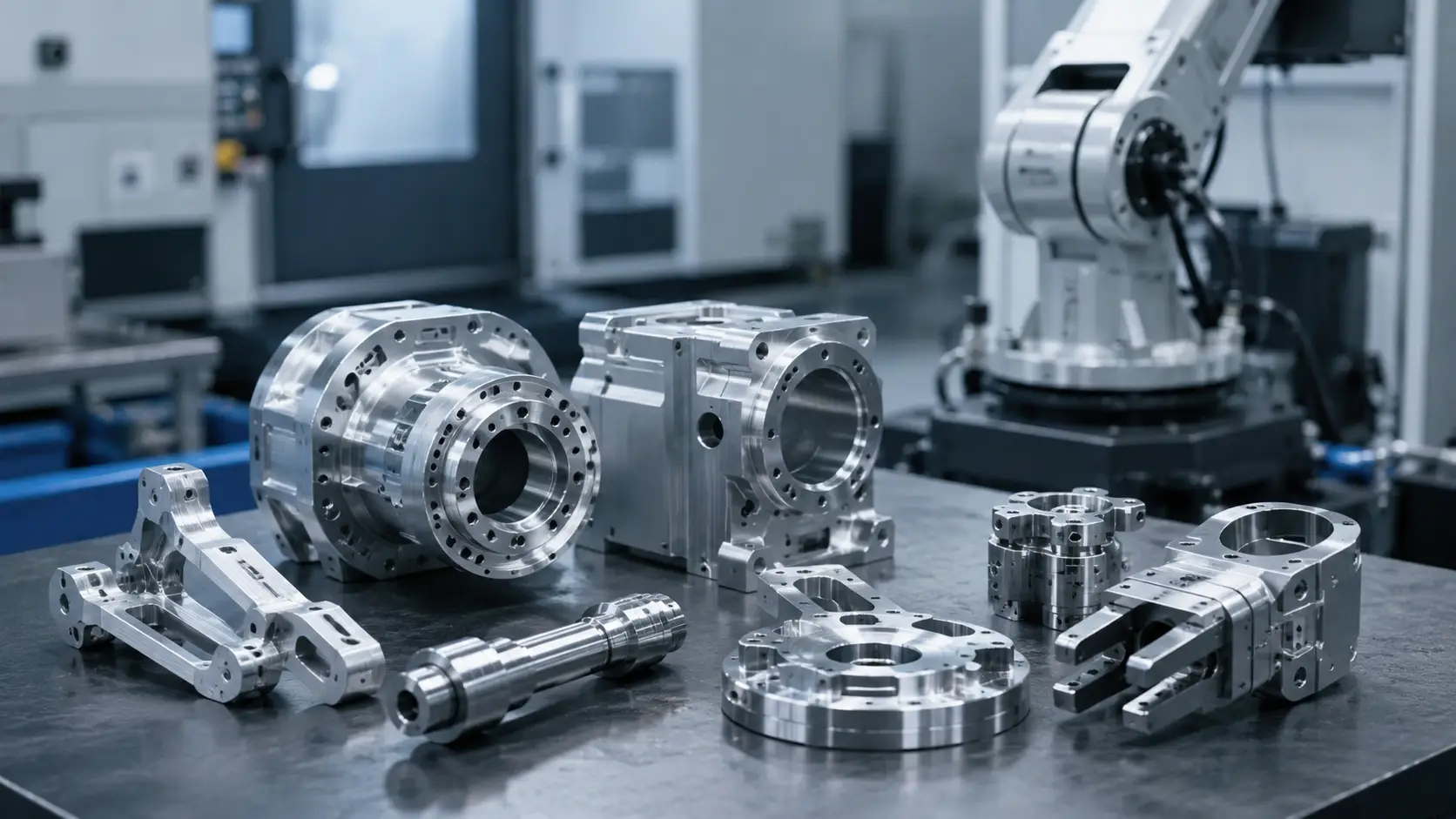
A Complete Guide to CNC Machining Materials: Selecting the Best Option for Your Project
Key Factors in Selecting CNC Machining Materials Essential Criteria for Material Selection in CNC Machining When it comes to picking materials for those tiny components made through CNC machining, the process really starts by looking at what the part needs to do and where it will end up working. Machinability matters a lot too, basically meaning how easy or hard it is to cut the material without wearing down tools faster than expected. Most engineers know this from experience, but stats floating around suggest something like eight out of ten prototype failures happen because someone picked the wrong material for the job, whether it was about conductivity issues or problems with moisture getting into sensitive areas. Getting this right upfront saves time and money down the road. Defining load-bearing needs and operating temperatures Evaluating chemical exposure risks in industrial settings Comparing raw material costs against machining time savings Mechanical Properties: Strength, Hardness, and Wear Resistance When working with CNC machines for small parts production, material selection becomes really important because we need something that holds up under stress while maintaining good surface properties. Take Aluminum 6061 for instance – it offers around 124 MPa yield strength but weighs about 30 percent less than Stainless Steel 304, which makes a big difference when dealing with intricate components. The hardness of materials measured on scales like Rockwell C has a major effect on how long cutting tools last. Milling hardened steel that’s rated HRC 50+ can cut down an end mill’s useful life by roughly two thirds compared to what happens with brass alloys. Interesting trend happening right now is the shift toward wear resistant plastics such as PEEK in applications where parts slide against each other. These materials manage friction levels between 0.3 and 0.5 without needing any kind of lubricant, making them attractive alternatives in certain manufacturing scenarios. Stress, Load, and Dimensional Tolerance Requirements for CNC-Machined Small Parts When it comes to high precision gears and those tiny but crucial aerospace fasteners, the materials need to stay within incredibly tight dimensional limits, something like under 0.01% variance when they’re actually bearing weight. Take Titanium Grade 5 for instance. This stuff keeps its shape remarkably well, holding onto those ±0.025 mm tolerances even when temperatures hit 400°C, which is why engineers love it for turbine components where heat gets really intense. The problem with smaller parts made from softer materials becomes pretty obvious too. When comparing ABS plastic to aluminum, stress points in these little components can jump by around 40%. That makes a big difference in performance over time. And let’s talk about what happens when things get shaken repeatedly. Fatigue strength matters a lot here. 316L stainless steel stands out because it can handle about ten million cycles at stress levels around 250 MPa before showing signs of wear. For equipment that needs to last through constant motion without failing, this kind of endurance is absolutely essential. Thermal Stability and Warping Risks in Precision Machining The way materials expand or contract with temperature changes (typically between 6 and 24 micrometers per meter per degree Celsius) really impacts how accurately parts can be machined in controlled environments. Take Delrin acetal for instance it actually shrinks around 2.3 percent when cooled down from 160 degrees Celsius all the way to room temperature at 20 degrees, which means machinists have to adjust their cutting paths accordingly. Many aerospace companies turn to Invar 36 alloy instead because it only expands at about 1.6 micrometers per meter per degree Celsius, making it ideal for precision measurement tools where thermal movement needs to stay below one micrometer. When looking at plastic options, semi crystalline materials such as nylon 66 tend to warp roughly half as much compared to amorphous plastics like polycarbonate during CNC milling operations, something that makes a big difference in final product quality. Common Metals and Plastics Used in CNC Machining Aluminum, Steel, Brass, and Titanium: Applications and Advantages When it comes to CNC machining for aerospace and automotive parts, aluminum alloys such as 6061 and 7075 take center stage because they offer that sweet spot between strength and weight, plus they resist corrosion and handle heat pretty well. Stainless steel remains popular across marine environments and certain automotive components thanks to how tough it is against wear and tear. Brass has its own niche too, especially for electrical connectors and precision fittings where good conductivity matters most and dimensions need to stay consistent over time. Now titanium? Well, sure it costs more money upfront, but manufacturers still reach for it in medical implants and aircraft structures where the material needs to survive extreme conditions without breaking down. According to some shop floor stats I’ve seen, machining aluminum takes roughly half the time compared to working with titanium, which makes all the difference when production volumes get large and budgets start tightening up. Engineering Plastics: Acrylic, Nylon, PEEK, ABS, and Carbon Fiber Composites When it comes to CNC machining, plastics bring several benefits to the table, especially when weight savings, protection against rust, or electrical isolation are needed. Take acrylic for instance – PMMA to be exact – which works great where clear visibility matters, think lenses or display panels. Nylon stands out because it doesn’t create much friction, so it’s commonly used in moving parts like gears and bearings. Some serious materials can handle extreme conditions too. PEEK polymer survives heat as high as around 250 degrees Celsius in harsh chemical environments. For those needing exceptional rigidity similar to what we see in aircraft manufacturing, carbon fiber reinforced composites are the way to go. And let’s not forget ABS plastic. It holds up pretty well against impacts while still being easy to machine, which makes it popular choice for testing parts during development phases as well as cases for electronic devices on store shelves today. Machinability Comparison: Metals vs. Plastics for CNC Small Parts Aluminum and brass are much easier to machine compared to steel, sometimes allowing speeds three times faster with tools lasting longer between replacements. On the flip side, materials such as titanium and hardened steel present challenges because they generate more heat during cutting processes. Machinists have to slow down feed rates significantly to prevent excessive tool wear from these harder materials. When it comes to plastics, they generally put less strain on cutting tools, but temperature management becomes critical. Most thermoplastics start showing problems around 150 degrees Celsius, which is about 302 Fahrenheit, when they begin to soften or distort shape. Metal parts usually need extra work after machining like removing burrs or smoothing edges, while plastic components often come out of the machine already pretty smooth. This means fewer additional steps for finishing plastic parts, saving both time and money in production settings. Performance Comparison of CNC Materials by Mechanical and Environmental Properties Strength-to-Weight Ratio and Structural Efficiency When it comes to getting the most bang for their buck in terms of strength versus weight, aluminum alloys and titanium are hard to beat, particularly in fields like aerospace engineering and medical device manufacturing. Take Aluminum 6061 for instance, which delivers around 260 MPa per gram per cubic centimeter of structural efficiency. Meanwhile, Grade 5 titanium packs similar strength to steel but weighs about half as much, making it incredibly attractive for certain applications. The real benefit becomes apparent when working with smaller components such as brackets or housing units where these materials help minimize stress points during assembly processes without sacrificing any of the required mechanical properties that keep things running smoothly. Tensile and Endurance Strength Across Common CNC Materials Stainless steel grades 304 and 316 provide tensile strengths over 500 MPa, making them suitable for automotive fasteners and marine hardware. Titanium’s superior fatigue resistance supports use in rotating industrial components. In contrast, engineering plastics like PEEK retain 90% of their tensile strength at 250°C, outperforming many metals in sustained high-heat environments. Corrosion, Moisture, and Chemical Resistance in Real-World Environments Both stainless steel and titanium hold up really well when exposed to saltwater and acids, though titanium stands out for its ability to resist pitting corrosion even at ocean depths exceeding 4,000 meters. When it comes to chemical processing equipment, materials like PEEK and PVDF are the go-to choices since they can handle harsh solvents such as benzene and concentrated sulfuric acid without breaking down. According to recent findings from the 2024 industry report, parts made from PVDF actually outlast aluminum components by about three times in environments where chlorine levels are high. This makes a big difference for facilities dealing with aggressive chemicals day after day. Thermal and Electrical Conductivity Needs in Functional Components The high thermal conductivity of aluminum at around 235 W/m·K explains why it’s so commonly used for making heat sinks in electronic devices. Copper takes the cake when we look at electrical conductivity though, with its impressive rating of 401 W/m·K making it indispensable for things like electrical busbars and components involved in power distribution systems. When it comes to preventing unwanted e