Why CNC Laser Cut Steel Parts Transform Modern Manufacturing

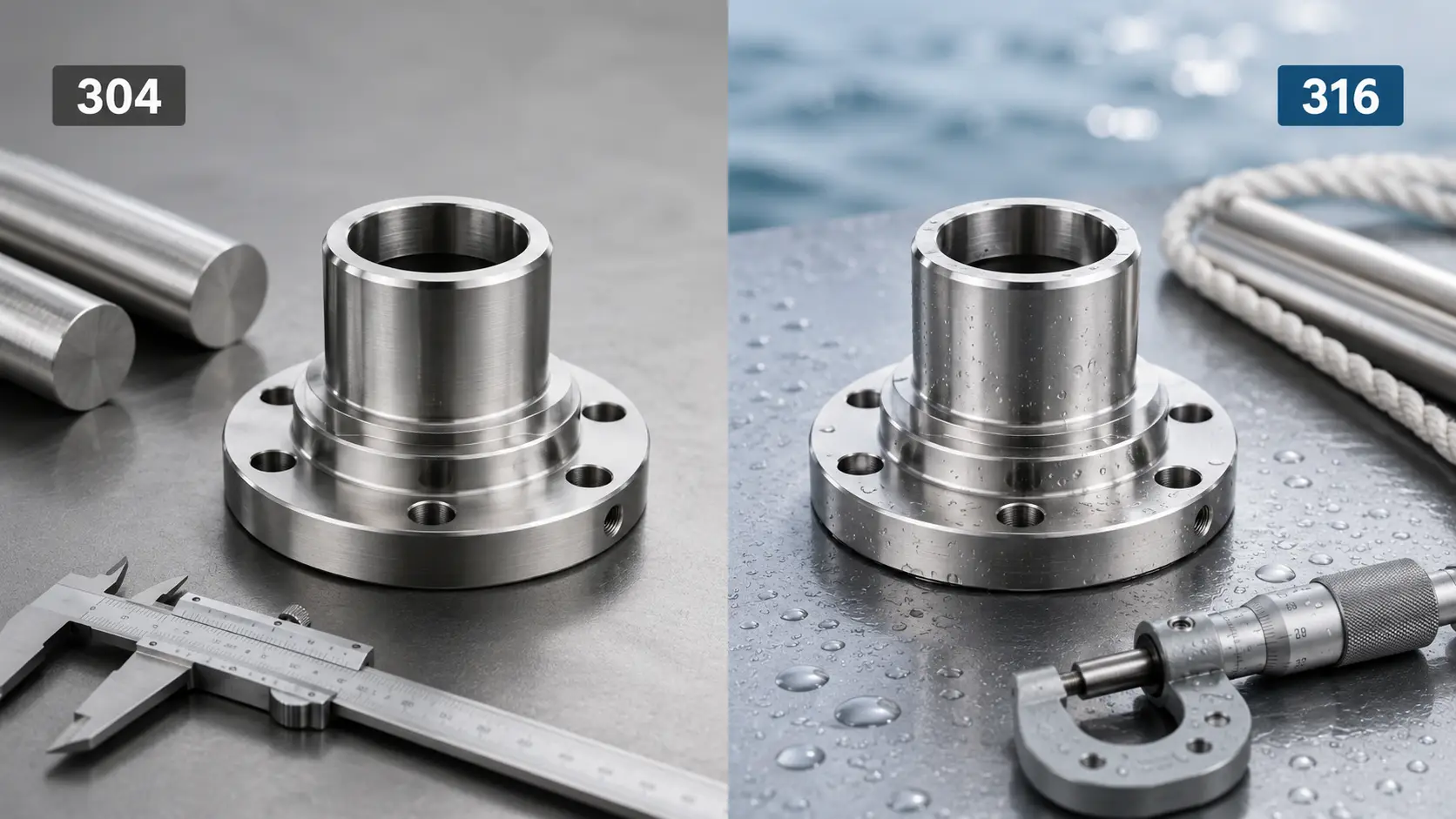
Why CNC Laser Cut Steel Parts Transform Modern Manufacturing Understanding the Manufacturing Revolution Through Precision Cutting The industrial landscape has witnessed a remarkable transformation with the emergence of cnc laser cut steel parts as the cornerstone of modern manufacturing. This technology represents a paradigm shift from traditional cutting methods, offering unprecedented precision and efficiency that manufacturers across various industries increasingly demand. Metal laser cutting services have evolved from simple cutting operations to sophisticated manufacturing solutions that could revolutionize how we approach industrial production. The technology’s ability to deliver consistent, high-quality results makes it particularly valuable for applications requiring strict tolerances and complex geometries. The Science Behind Laser Cutting Excellence Precision Engineering at Its Core The foundation of effective sheet metal cutting lies in understanding how laser technology interacts with different materials. Advanced fiber laser systems operate by focusing high-powered laser beams through optical equipment, creating energy densities that may exceed traditional cutting methods by significant margins. Modern CNC systems integrate computer numerical control with laser technology, ensuring that each cut maintains accuracy within ±0.1mm tolerances. This precision level could be particularly crucial for industries where component fit and finish directly impact product performance. Material Compatibility and Specifications Laser cutting materials encompass a broad spectrum of metals and alloys, each requiring specific parameters for optimal results. The following table illustrates common material specifications:   Advanced Cutting Techniques The implementation of nitrogen-assisted cutting has revolutionized how manufacturers approach Custom Stainless Steel Parts production. This technique eliminates oxidation during the cutting process, resulting in clean, burr-free edges that may require minimal post-processing. Industry discussions on manufacturing forums frequently highlight the importance of proper gas selection. Nitrogen assistance could provide superior edge quality for stainless steel applications, while oxygen may be more suitable for carbon steel cutting where speed takes precedence over edge finish. Industrial Applications and Market Demands Automation and Robotics Components The automation industry represents one of the most demanding sectors for cnc laser cut steel parts. Precision structural support plates, mounting brackets, and connection assemblies require tolerances that traditional cutting methods may struggle to achieve consistently. Manufacturing engineers often emphasize that robotic applications demand components that could integrate seamlessly without secondary machining operations. Laser cutting technology addresses this requirement by delivering parts that meet assembly specifications directly from the cutting process. Medical Device Manufacturing Custom Stainless Steel Parts play a crucial role in medical device production, where material compatibility and precision are paramount. The medical industry’s stringent requirements for corrosion resistance and cleanability make 304 and 316 stainless steel grades particularly valuable. Recent industry analyses suggest that medical device manufacturers increasingly prefer laser-cut components because the process may eliminate the need for extensive deburring operations, reducing contamination risks and production costs. Electronic Enclosures and Cabinets The electronics industry relies heavily on Sheet Metal Fabrication for creating protective enclosures and control panels. These applications typically require: Precise hole patterns for component mounting Clean edges for proper sealing Consistent dimensions across production runs Rapid prototyping capabilities for design validation Quality Considerations and Manufacturing Excellence Achieving Tight Tolerances Manufacturing professionals consistently emphasize that achieving tight tolerances in sheet metal cutting requires careful attention to several factors: Material Selection: The choice of base material significantly impacts cutting quality and dimensional stability Process Parameters: Laser power, cutting speed, and assist gas selection must be optimized for each material type Fixture Design: Proper workholding ensures consistent part positioning throughout the cutting process Environmental Control: Temperature and humidity variations may affect material behavior during cutting Quality Control Standards Industry standards such as ISO 2768-m/mk provide frameworks for maintaining consistent quality in laser-cut components. These standards could help manufacturers establish quality benchmarks that meet customer expectations while maintaining cost-effectiveness. Surface Finish and Edge Quality The quality of laser-cut edges directly impacts subsequent manufacturing operations. Metal laser cutting services that utilize advanced fiber laser technology typically produce edges with minimal heat-affected zones, reducing the likelihood of distortion during welding or forming operations. Economic Benefits and Production Efficiency Cost-Effectiveness Analysis The economic advantages of cnc laser cut steel parts extend beyond the cutting operation itself. Manufacturers report significant cost savings through: Reduced material waste due to optimized nesting algorithms Elimination of tooling costs associated with traditional cutting methods Decreased secondary processing requirements Faster setup times for small batch production Scalability and Flexibility Modern Sheet Metal Fabrication facilities could adapt quickly to changing production requirements. The programmable nature of CNC laser systems allows manufacturers to switch between different part designs without extensive retooling, making small-batch production economically viable. Advanced Manufacturing Capabilities Multi-Material Processing Contemporary laser cutting materials processing capabilities extend beyond traditional metals to include: Advanced high-strength steels Exotic alloys for aerospace applications Composite materials with metal substrates Coated materials requiring specialized processing techniques Integration with Automated Systems The integration of laser cutting with automated material handling systems could significantly enhance production efficiency. Manufacturers implementing these systems report productivity improvements that may exceed 40% compared to manual operations. Future Trends and Technological Developments Industry 4.0 Integration The convergence of metal laser cutting services with Industry 4.0 technologies promises to revolutionize manufacturing processes. Real-time monitoring systems could provide immediate feedback on cutting quality, enabling predictive maintenance and quality optimization. Sustainability Considerations Environmental concerns are driving innovations in Custom Stainless Steel Parts production. Advanced laser systems demonstrate improved energy efficiency compared to traditional cutting methods, potentially reducing manufacturing carbon footprints by significant margins. Conclusion: Embracing Manufacturing Excellence CNC laser cutting of steel parts isn’t just another manufacturing upgrade it marks a real turning point in how industries approach precision work. When companies need to produce intricate shapes with exact measurements while still keeping up with fast turnaround times, traditional methods just don’t cut it anymore. Laser technology allows manufacturers to handle those tricky designs that would be impossible with older techniques. For instance, automotive parts makers can now create components with microscopic details that previously required multiple machining steps. This advancement means better products overall and saves time and money in the long run as well. The integration of advanced sheet metal cutting techniques with modern manufacturing systems could define the future of industrial production. Companies that embrace these technologies may find themselves better positioned to compete in an increasingly demanding marketplace where quality, precision, and efficiency determine success.

Read More »

How 3D Printed Car Parts Transform Automotive Manufacturing with Polycarbonate 3D Printing

How 3D Printed Car Parts Transform Automotive Manufacturing with Polycarbonate 3D Printing Car makers are seeing some pretty big changes these days thanks to additive manufacturing techniques, especially when it comes to making 3D printed parts for vehicles. What this means is factories can now produce customized components much faster than before while maintaining tight tolerances. Take polycarbonate 3D printing for instance – many shops have started using this method because it gives them parts that hold up well under heat stress and still maintain their structural integrity. We’re talking about everything from dashboard elements to exterior trim pieces that need to withstand both temperature extremes and regular wear and tear on the road. Understanding Polycarbonate 3D Printing for Automotive Applications When it comes to automotive manufacturing, polycarbonate stands out as a top choice for 3D printing applications. Take a look at its tensile strength numbers around 9,800 psi or 72 MPa and compare that to regular old PLA materials we typically see. That’s quite a difference! What makes polycarbonate really shine though is how it handles heat. The glass transition temperature hits 150 degrees Celsius, which means parts made from this stuff can actually hold up when installed near engines where temperatures get pretty intense. No warping or melting issues here, even after prolonged exposure to those harsh conditions mechanics deal with daily. Looking through threads on r/cars and similar subreddits shows why so many enthusiasts talk up polycarbonate for its amazing ability to take hits without cracking plus staying stable under various conditions. Car builders love this stuff for making parts that need to handle all sorts of stress from daily driving or track days. Plus, since polycarbonate doesn’t weigh much compared to other materials, swapping out heavier components can actually cut down on overall vehicle mass. Lighter cars mean better gas mileage for traditional vehicles and longer battery life between charges for EV owners looking to maximize their range. Applications of 3D Printing for Vehicles in Modern Manufacturing Functional Prototyping and Development 3D printing for vehicles accelerates the development cycle by enabling rapid prototyping of complex geometries. Engineers can iterate designs for intake manifolds, electrical housings, and dashboard components within hours rather than weeks. This capability proves especially valuable for custom car components requiring precise fitment and functional validation. Manufacturing teams utilize polycarbonate 3D printing to create heat-resistant prototypes that can undergo real-world testing in engine bay environments. The material’s thermal stability ensures accurate performance evaluation under operating conditions. Low-Volume Production and Customization The technology excels in producing 3D printed car accessories for discontinued vehicle models, helping repair shops reduce inventory costs. Enthusiasts on platforms like Reddit frequently share experiences creating custom parts such as: GoPro camera mounts and gauge brackets Turbo fan shrouds and brake ducting Aerodynamic components and bumper dam designs Custom hardtops consisting of 44 interconnected components Performance Enhancement and Motorsport Applications 3D printed car parts find extensive use in racing applications, where lightweight construction and rapid iteration capabilities provide competitive advantages. The Rodin FZERO supercar utilized metal additive manufacturing to produce nearly all metallic components, including an eight-speed sequential transmission – an industry first achievement. Optimizing Strength and Quality in 3D Printed Car Parts Material Selection and Performance Comparison     Print Settings Optimization Achieving optimal strength in 3D printed car parts requires careful attention to several parameters: Print Temperature: Higher temperatures within recommended ranges enhance layer adhesion Layer Height: Thin layers (0.1-0.2mm) combined with wider extrusion lines (120-140% nozzle diameter) produce strongest results Infill Density: Functional parts perform best with 50-70% infill using honeycomb patterns for optimal strength-to-weight ratio Wall Thickness: Load-bearing components require 4-6mm shell thickness   Post-Processing Techniques Annealing processes can increase part strength by approximately 40% through material structure reorganization. This treatment proves particularly beneficial for custom car components requiring enhanced mechanical properties. Design Considerations for 3D Printed Car Accessories File Requirements and Digital Workflow Manufacturing 3D printed car accessories requires STL, STEP, or OBJ format files. When original designs aren’t available, manufacturers can utilize 3D scanning of existing parts or custom design services. Digital marketplaces like Thingiverse and GrabCAD provide extensive libraries of automotive-related models. Industrial Equipment Requirements Polycarbonate 3D printing demands industrial-grade equipment featuring: High-temperature extrusion systems (up to 300°C) Enclosed heated chambers for dimensional stability Large build platforms for oversized components   Cost-Effectiveness and Production Advantages Using 3D printing in vehicle manufacturing can cut costs quite a bit since it does away with those pricey tooling needs. With this tech, manufacturers can produce everything from just one unit all the way up to big batch runs, plus they can switch between different colors or materials whenever needed without much hassle. Car makers find this really helpful when making special parts that need certain looks or work better under particular conditions. For instance, some racing teams create unique engine components using these methods because they want something that stands out visually while still performing at peak levels. Restoration and Legacy Vehicle Support Getting hold of replacement bits for old cars has always been a headache for enthusiasts. The good news is that 3D printed components made from tough stuff like iglidur® i6 SLS polymer are changing the game. Take the case of restoring a classic car’s speedometer – mechanics had trouble tracking down the right worm gear for a Stewart Warner unit. They ended up printing one with iglidur® I6 instead. After putting it through over 2,000 miles of driving, there wasn’t even a hint of wear on the part. Pretty impressive when considering how hard those gears normally get used. Future Prospects and Industry Impact The automotive industry continues embracing 3D printed car parts for their design freedom, rapid iteration capabilities, and cost-effectiveness. Electric vehicle manufacturers particularly benefit from the technology’s ability to create lightweight, complex geometries that optimize performance and extend range. Polycarbonate 3D printing enables production of components previously impossible through traditional manufacturing methods. This capability opens new possibilities for custom car components featuring integrated cooling channels, complex internal structures, and optimized material distribution. Sino Rise: Your Partner in Advanced Manufacturing Solutions While 3D printing for vehicles represents cutting-edge technology, Sino Rise offers comprehensive manufacturing solutions including CNC machining, plastic injection molding, and sheet metal fabrication. Our expertise in prototyping and surface treatment complements additive manufacturing capabilities, providing complete production solutions for automotive applications. Our 5-axis CNC machining capabilities ensure precision manufacturing for complex automotive components, while our plastic injection services offer high-volume production alternatives when 3D printed car accessories transition from prototype to mass production.

Read More »

Precision Manufacturing: CNC Injection Components and Material Selection Strategies

Precision Manufacturing: CNC Injection Components and Material Selection Strategies Understanding CNC Injection Components in Modern Manufacturing CNC injection components represent the convergence of two critical manufacturing processes that could revolutionize how precision plastic parts are produced. These components serve as the backbone of modern manufacturing, where CNC machining and injection molding work together to deliver top-tier plastic components that meet stringent quality requirements. Manufacturing has changed quite a bit over recent years, and CNC injection components are now pretty important during those initial product development phases. The process allows for quick prototypes and really precise molds, so parts come out consistently good quality time after time. What makes this interesting is how advanced CNC tech is starting to reshape mold making altogether. These machines can handle those tricky conformal cooling channels while working with materials that stand up to wear better. The result? Mold inserts that perform much better than traditional ones. This means faster production cycles and parts that look and function exactly the same every single time they come off the line. Most mold shops rely on CNC machines as their go-to production setup these days. When it comes to design work, many turn to advanced CAD/CAM packages such as Mastercam which has become pretty much standard equipment in the industry. What makes these systems stand out? They handle all sorts of tasks from wire EDM cutting right through to complex mold designs. The software is pretty user friendly for most operators, plus they support both 4-axis and 5-axis machining operations. And let’s not forget those finishing touches either – modern CNC setups come equipped with specialized tool paths that speed up the deburring process significantly compared to traditional methods. Achieving Tight Tolerance CNC Injection Parts Through Material Selection Manufacturing tight tolerance cnc injection parts requires careful consideration of material properties that could directly impact dimensional accuracy and performance. The selection process becomes critical when dealing with applications demanding exceptional precision, where tolerances may reach as tight as ±0.005mm or even 0.003mm in some mold components. For achieving optimal results in tight tolerance cnc injection parts, manufacturers should consider: Low shrinkage rate materials (such as PC and PEI): These could reduce post-molding deformation risks High dimensional stability materials (like PEEK and POM): These may ensure mechanical fitting precision Thermally stable materials: These could minimize dimensional changes during injection and service conditions CNC machining is renowned for ultra-tight tolerances and complex geometries, making it ideal for prototyping and low-to-medium volume production where precision remains paramount. In medical applications, CNC machining produces high-precision surgical tools, custom implants, and prototype development, where ultra-tight tolerances ensure reliability and performance of life-saving devices.   Thermoplastic Manufacturing: Material Categories and Processing Considerations Thermoplastic manufacturing covers all sorts of different materials that work well with injection molding techniques, and each type has its own strengths depending on what needs to be made. When it comes to injection molding itself, the basic idea is pretty straightforward: manufacturers heat up those plastic pellets until they reach somewhere between around 200 degrees Celsius and almost 250 degrees Celsius (which translates to roughly 400 to 480 Fahrenheit). At these temperatures, most thermoplastics start to melt down enough to flow into molds, making them ready for shaping into whatever product form is needed. General Engineering Plastics in thermoplastic manufacturing include: ABS (Acrylonitrile Butadiene Styrene): Easy to process, cost-effective, with good impact toughness, suitable for instrument housings and handles PC (Polycarbonate): High transparency and impact resistance, used for transparent covers and medical testing equipment windows PA (Nylon): Wear-resistant with high strength and toughness, ideal for gears and sliding components High-Performance Engineering Plastics represent the advanced tier of thermoplastic manufacturing: PEEK (Polyetheretherketone): Heat-resistant up to 250°C, chemically resistant with excellent mechanical properties PEI (Ultem): High strength with good dimensional stability and heat resistance POM (Polyoxymethylene/Delrin): Self-lubricating with excellent wear resistance PTFE (Polytetrafluoroethylene): Outstanding chemical resistance and low friction coefficient Companies like Dielectric Manufacturing process various thermoplastic and thermoset materials, demonstrating how CNC machining could manufacture plastic automotive parts such as fuel gauges and dashboards.   Insert Molding: Integration Challenges and Material Compatibility Insert molding represents a specialized injection molding process where another component gets inserted into the mold cavity during material cooling. This process adds complexity to mold design but enables the creation of sophisticated assemblies that could integrate multiple materials and functions within a single component. Insert molding basically works by putting things like threaded parts and those metal connectors for electronics right into plastic components before they get made. When the molten plastic goes in, it wraps around all those inserted pieces and locks them in place as everything cools down. Most shops use either hand placement or automated systems to get these inserts just right inside the mold cavity. Some common methods include simple pins and slots, magnetic holders work pretty well too, and bigger operations often go for robotic arms connected to part feeders that handle multiple inserts at once. Critical considerations for successful insert molding include: Material shrinkage rate matching with metal inserts: This could prevent post-molding deformation Material-to-insert bonding strength: Ensuring reliable mechanical connection Processing temperature compatibility: Preventing damage to metal inserts during molding Medical devices commonly utilize PEEK + SUS304 insert combinations for sterilizable structural components, while electrical connectors may use PA + copper pin configurations to achieve structural and conductive integration. Companies like Ensinger and Crescent Industries provide specialized insert molding services for various industrial applications.   Materials for Injection Molds: Performance and Durability Factors Picking the right materials for injection molds really matters when it comes to how well the mold works, how long it lasts, and ultimately what kind of products come out of it. When deciding on materials, manufacturers need to consider several things first. How many parts need to be produced? What kind of plastic is going into the mold? How complex is the design? Can the material be easily machined? And what about those tight tolerances everyone keeps talking about? At the very basic level, whatever material gets selected needs to have a melting point that’s definitely above what the injected plastic will reach during processing. Otherwise, we’re looking at warped parts, mold damage, or worse yet, complete production shutdowns down the line. Tool steel and stainless steel represent the most common materials for mold machining, while aluminum occasionally serves as an economical alternative for small-batch injection molded parts. Other key materials for injection molds include carbon steel, titanium, and beryllium copper. Ceramic molds are also commonly used for high-melting-point raw materials. Specific characteristics of materials for injection molds: Steel: Offers exceptional durability and could withstand up to 5,000 cycles. Steel grades A-2, D-2, and M-2 may create cores, cavities, and other components Stainless steel: Enhanced corrosion resistance, wear resistance, and abrasion resistance through chromium and carbon additions. Grades like 420, 316-L, and 174-PH could create more complex, durable molds capable of withstanding up to one million cycles Tool steel: Cast iron alloys containing carbon and other alloying elements, available in various types and grades for creating machine molds with customized performance Aluminum: Serves as rapid tooling material due to low cost and excellent machinability. Grades 6061 and 7075 offer high thermal conductivity that could significantly reduce cycle times Beryllium copper: This copper alloy is renowned for exceptional thermal conductivity and corrosion resistance, making it favorable for high-precision plastic part molds Sino Rise’s Integrated Manufacturing Approach Advanced manufacturing facilities may leverage comprehensive CNC machining capabilities combined with injection molding expertise to deliver complete solutions for precision plastic components. The integration of high-speed CNC machining centers with specialized injection molding equipment could enable consistent production of components meeting stringent industry standards. Professional engineering teams, advanced production equipment, and mature management systems ensure high-quality component manufacturing. This approach enables manufacturers to provide one-stop services handling all operations required for parts, potentially saving time and costs for clients requiring tight tolerance cnc injection parts and complex insert molding solutions. The seamless transition from CNC machining to injection molding could accelerate time-to-market while maintaining strict tolerances, offering manufacturers the flexibility to adapt to various production volumes and complexity requirements. Conclusion Putting together CNC injection components, tight tolerance parts, thermoplastic manufacturing techniques, insert molding

Read More »

Revolutionary 5-Axis CNC Manufacturing: Powering Next-Generation Electric Vehicle Components

The electric mobility revolution demands unprecedented precision in lightweight component manufacturing, where 5 axis CNC technology emerges as the definitive solution for complex geometric challenges. Industry discussions on Reddit’s r/ElectricVehicles community reveal that CNC machining applications in new energy sectors could fundamentally transform how battery housings and motor components are produced. The sophisticated nature of cnc machining parts through multi-dimensional processing may offer accuracy levels that traditional methods simply cannot achieve, while advanced CNC technology enables manufacturers to meet stringent automotive standards. Understanding multi-axis machining advantages becomes crucial for procurement professionals seeking competitive manufacturing solutions in today’s rapidly evolving electric vehicle landscape. Why Electric Vehicle Manufacturers Choose Advanced Multi-Axis Solutions 5 axis CNC systems integrate two additional rotational axes (A, B, or C) with standard linear axes (X, Y, Z), enabling cutting tools to adjust positioning at any angle for machining complex curved surfaces. This sophisticated approach allows CNC machining applications to address the intricate requirements of electric vehicle components, where traditional 3-axis methods may fall short. The technology encompasses electrical and mechanical frameworks designed for stability and efficient energy transfer, utilizing diamond tools for precise applications on challenging materials. Manufacturing professionals frequently debate on Facebook groups about the essential capabilities that cnc machining parts must deliver in electric vehicle production. The process flow involves CAD-designed concepts translated into precise CNC codes, with rotational axis capabilities including A-axis rotation up to 180 degrees and B-axis rotation up to 360 degrees. Advanced CNC technology enables spindle speeds from 0 to 18,000 RPM, providing the flexibility needed for diverse material processing requirements. Multi-axis machining advantages become particularly evident when considering the specific demands of lightweight component production. Electric vehicle manufacturers require battery trays with precise sealing surfaces achieving flatness of ±0.015 mm and surface roughness Ra≤1.3 μm. Motor housings need complex curved cooling channels with position accuracy of ±0.02 mm and Ra≤0.8 μm, while hydrogen fuel cell bipolar plates demand flow channels with depth tolerance of ±0.03 mm and Ra≤0.4 μm. Machine Configuration Options for Optimal Performance 5 axis CNC systems offer various configurations to meet specific manufacturing requirements: Rotary Table and Pivoting Spindle Head: Features B-axis with 360-degree rotary table, ideal for large-scale components up to 50 inches diameter and height Double Rotary Table: Utilizes both A-axis and B-axis for highly flexible part orientation and simultaneous machining Trunnion Table Machine: Integrates rotary axes directly into the trunnion table with stationary machining head Swivel or Articulating Head: Machine head performs majority of rotational movement with fixed or partially rotating worktable Strategic Material Selection for Electric Vehicle Components CNC machining applications in electric mobility sectors require careful material selection to achieve optimal weight reduction while maintaining structural integrity. Aluminum alloys dominate lightweight component production, with 6063 aluminum alloy representing the top choice for battery trays and motor housings due to its favorable density (2.7 g/cm³), corrosion resistance, and excellent thermal conductivity (~200 W/m·K). High-strength applications may utilize 7075 aluminum alloy with tensile strength of 570 MPa, while titanium alloy offers exceptional strength of 1,000 MPa with density of 4.43 g/cm³ for critical structural components. High-purity graphite serves specialized applications in fuel cell bipolar plates, requiring strict flatness tolerances (≤0.01 mm) that only advanced CNC technology can consistently achieve. Multi-axis machining advantages become particularly pronounced when processing challenging materials like carbon fiber reinforced polymers (CFRP), which present unique challenges including delamination risks. Specialized PCD (Polycrystalline Diamond) tools can extend tool life by 50% when machining these advanced composites, while silicon carbide (SiC) aluminum-based composites require PCD tools and dry cutting techniques for optimal results. Material Processing Capabilities Comparison Material Type Density (g/cm³) Tensile Strength (MPa) Thermal Conductivity (W/m·K) Machining Considerations 6063 Aluminum 2.7 241 200 Standard tooling, high speeds 7075 Aluminum 2.81 570 130 Requires coolant, moderate speeds Titanium Alloy 4.43 1000 17 Specialized tooling, lower speeds CFRP Composite 1.6 3500 1.7 PCD tools, ultrasonic cutting Production Efficiency Through Advanced Processing Techniques Cnc machining parts production for electric vehicles benefits from innovative processing methods that optimize both quality and efficiency. Adaptive cutting technology provides real-time feed rate adjustment (±15%) to compensate for aluminum alloy thermal deformation, reducing scrap rates from 12% to 3% in typical production environments. This technology demonstrates how advanced CNC technology can significantly improve manufacturing economics while maintaining quality standards. Vacuum clamping combined with liquid nitrogen cooling suppresses vibration in thin-walled parts with depth-width ratios exceeding 10:1, maintaining flatness within 0.02mm tolerances. Turn-milling composite technology enables simultaneous completion of turning operations (cylindricity ≤0.005mm) and keyway milling for motor shafts, shortening lead times by 50% compared to sequential processing methods. Multi-axis machining advantages extend to innovative hybrid processing approaches, including additive-subtractive composite processing for titanium alloy brackets. This technique combines laser cladding blanks with 5 axis CNC precision machining, boosting material utilization from 45% to 92% while reducing waste and costs. Ultrasonic vibration cutting suppresses delamination in carbon fiber battery boxes, reducing mass production costs by 40% through improved yield rates. Quality Assurance and Precision Control Systems CNC machining applications in electric vehicle manufacturing demand exceptional precision control systems to meet automotive industry standards. Advanced CNC technology enables tolerances typically within ±0.005 mm, even for complex curved surfaces requiring synchronous 5-axis machining. This precision level becomes critical when producing cnc machining parts that must integrate seamlessly with other vehicle systems. Quality inspection occurs at three distinct levels: tool precision validation, part dimensional verification, and continuous process monitoring. The automated nature of 5 axis CNC systems minimizes human error while enhancing overall production quality, enabling “lights-out” operation with advanced software integration and sophisticated setup protocols. Multi-axis machining advantages include superior surface finish capabilities, with 5 axis CNC systems achieving Ra 0.4-1.6μm compared to Ra 0.8-3.2μm for 4-axis alternatives. This improvement results from the ability to use shorter tools due to additional axes, which remain less prone to vibrations at high cutting speeds, directly benefiting component performance and longevity. Certification Requirements for Automotive Applications IATF 16949: Mandatory certification for automotive-grade battery housings requiring process capability index Cpk≥1.67 Surface Treatment Standards: Anodizing film thickness and electrophoretic coating salt spray resistance specifications Material Traceability: Full lifecycle tracking of aluminum ingot furnace numbers and component history Cost Optimization Strategies for High-Volume Production Cnc machining parts production economics require careful consideration of initial investment versus long-term operational benefits. While 5 axis CNC systems involve higher initial costs, complex programming requirements, and elevated operator skill demands, they often reduce total production time significantly, making them cost-effective for high-value-added components. Hourly rates for advanced CNC technology operations typically range from $75 to $250 per hour, but multi-axis machining advantages frequently justify these costs through reduced setup times and improved throughput. Cost control strategies include optimizing tooling selection, with ZrN coated milling cutters for 6061 aluminum increasing tool life by 40% while enabling high-speed cutting parameters that boost efficiency by 300%. Cluster processing approaches utilizing 10 5 axis CNC machines with automatic pallet exchange systems can achieve 85% equipment utilization rates, maximizing production capacity while minimizing labor costs. Waste recycling programs recovering 90% of aluminum chips reduce material costs by 35%, contributing to overall manufacturing sustainability objectives. Sino Rise: Leading Innovation in Multi-Axis Manufacturing Sino Rise exemplifies excellence in 5 axis CNC manufacturing through comprehensive capabilities spanning advanced multi-axis systems with cutting-edge control technology. Our CNC machining applications expertise encompasses the full spectrum of electric vehicle component production, from battery housings to motor assemblies, utilizing state-of-the-art equipment capable of handling components from precision miniature parts (0.05mm) to large structural elements (up to 5m). Our advanced CNC technology installations feature sophisticated CAD/CAM software integration with collision avoidance systems and optimized post-processors for maximum efficiency. The facility’s cnc machining parts production capabilities include processing diverse materials from

Read More »

Advanced CNC Turning Machining Solutions: Transforming Medical Device Manufacturing Excellence

CNC Turning Machining represents a revolutionary approach in modern manufacturing, particularly when machining parts manufacturers leverage computer-controlled lathes to create complex cylindrical components. Industry discussions on Reddit’s r/MedicalDevices community reveal that CNC turning services could fundamentally transform how medical devices are produced, while CNC turning advantages become increasingly apparent in precision-critical applications. The sophisticated nature of precision parts manufacturing through automated turning processes may offer unprecedented accuracy levels that traditional machining methods simply cannot match. The fundamental principle behind CNC Turning Machining involves securing workpieces to rotating spindles while single-point cutting tools move along predefined paths to remove material systematically. Unlike manual lathes, computer-controlled systems receive precise instructions from programmed codes, ensuring that machining parts manufacturers can deliver consistent results across production runs. This automated approach enables CNC turning services to maintain exceptional repeatability, which becomes crucial when precision parts manufacturing demands tolerances within ±0.025mm for critical medical applications. Understanding Core Manufacturing Requirements for Medical Applications CNC Turning Machining must address stringent material compliance standards when machining parts manufacturers work with medical-grade components. Biocompatible materials including ISO 5832 standard titanium alloys (Ti-6Al-4V), ASTM F138/F139 stainless steel (316LVM), and specialized polymers like PEEK require specific handling protocols. CNC turning services must provide complete material traceability documentation, including REACH compliance, RoHS certification, and ISO 10993 biocompatibility reports to ensure no cytotoxicity or sensitization risks exist. The precision requirements for precision parts manufacturing in medical applications could exceed standard industrial tolerances significantly. Cardiovascular stents require 316L stainless steel components with surface roughness values ≤0.4μm to minimize thrombosis risks, while orthopedic implants may need bone screw threads manufactured within ±0.025mm tolerances. CNC turning advantages become evident when comparing these requirements to conventional machining capabilities, as automated systems can consistently achieve joint surface contour accuracy ≤0.01mm through precise spindle control and advanced tooling systems. Manufacturing environments for CNC Turning Machining in medical applications must comply with ISO Class 7 cleanliness standards to prevent particle contamination. Machining parts manufacturers typically implement dedicated production lines with physical isolation from non-medical components, incorporating vacuum chip suction systems and controlled atmosphere processing. Post-processing techniques including electropolishing, passivation, and gamma ray sterilization ensure that CNC turning services can deliver sterile components ready for medical device assembly. Technical Capabilities and Performance Metrics Parameter Standard CNC Turning Medical-Grade CNC Turning Advanced 5-Axis Systems Tolerance Range ±0.1mm ±0.025mm ±0.005mm Surface Finish Ra 1.6μm Ra 0.4μm Ra 0.1μm Material Utilization 85% 95% 98% Lead Time 5-7 days 3-5 days 1-3 days Precision parts manufacturing through advanced CNC Turning Machining systems may achieve remarkable geometric complexity while maintaining dimensional accuracy. Swiss-type lathes can produce micro-fine components like needle tips and neural probes with diameters ≤1mm, maintaining coaxiality errors ≤5μm. Multi-process integration on turning-milling centers allows machining parts manufacturers to complete turning, milling, and drilling operations in single setups, reducing repositioning errors that could compromise final part quality. Strategic Advantages for Modern Manufacturing Operations CNC turning advantages extend beyond simple precision improvements, encompassing efficiency gains that may transform production economics. Facebook discussions in manufacturing groups highlight how CAD-to-machining program conversion can occur within two hours, compressing delivery cycles for custom components to 72 hours when urgent requirements arise. CNC turning services equipped with automated pallet exchange systems can achieve ≥85% equipment utilization, enabling continuous 24-hour processing cycles that maximize productivity. Material utilization represents another significant benefit where precision parts manufacturing through CNC Turning Machining can achieve rates exceeding 95% for expensive materials like titanium alloys. This compares favorably to traditional methods that typically achieve only 70% utilization, resulting in substantial cost savings for high-value materials. Machining parts manufacturers report that standardized implant production using CNC turning can cost 40% less per piece compared to 3D printing for volumes exceeding 10,000 units. The programmability inherent in CNC turning advantages allows manufacturers to store proven programs for repeat production while maintaining consistent quality standards. Emergency response capabilities become particularly valuable in medical device manufacturing, where CNC turning services can maintain reserved capacity for urgent demands, supporting expedited 48-hour delivery schedules when critical components are needed rapidly. Real-World Applications Demonstrating Manufacturing Excellence Precision parts manufacturing applications in medical device production showcase the versatility of CNC Turning Machining across diverse component types. Orthopedic implants including femoral stems require titanium alloy construction with micro-porous surfaces created through turning combined with EDM processing to promote bone integration. Machining parts manufacturers must achieve precise dimensional control while creating complex surface textures that facilitate biological compatibility. Minimally invasive surgical instruments present unique challenges where CNC turning services must produce components like laparoscope trocars with ≤0.3mm wall thickness while maintaining mirror-polished inner lumens. Catheter connectors require multi-angle deep hole turning with high depth-to-diameter ratios, demonstrating how CNC turning advantages enable complex geometries that conventional machining approaches cannot accommodate effectively. Diagnostic equipment components including centrifuge rotors demand aluminum alloy construction with dynamic balance errors ≤0.1g-mm to prevent vibration issues during high-speed operation. MRI coil shells require non-magnetic copper alloy materials to avoid magnetic field interference, highlighting how precision parts manufacturing must consider multiple performance criteria simultaneously. Quality Assurance and Certification Requirements CNC Turning Machining quality control systems must incorporate multiple verification stages to ensure medical device components meet regulatory standards. In-machine measurement (IPC) systems provide real-time dimensional verification, while Coordinate Measuring Machine (CMM) inspections offer comprehensive geometric analysis. Machining parts manufacturers typically implement 100% X-ray inspection protocols for implantable components to detect internal defects that could compromise patient safety. ISO certification requirements including ISO 13485 and ISO 9001 standards govern CNC turning services operations, mandating documented quality management systems with full traceability capabilities. Medical-grade materials require specialized storage with controlled temperature and humidity conditions, while batch traceability extends to melt furnace numbers through Unique Device Identification (UDI) systems. Cost Optimization and Advanced Technology Integration Design-level cost reduction strategies for precision parts manufacturing may involve simplifying component features to reduce custom tooling requirements. CNC Turning Machining efficiency can improve by 30% when tolerances are rationalized appropriately, avoiding unnecessarily tight specifications on non-critical surfaces. Machining parts manufacturers recommend loosening non-mating surface tolerances to ±0.05mm where functional requirements permit. Cutting-edge technology applications including AI parameter optimization can extend tool life by 40% during titanium turning operations. Cryogenic turning using liquid nitrogen prevents material sticking issues, improving surface quality to Ra 0.1μm levels that CNC turning services previously could not achieve consistently. These technological advances demonstrate how CNC turning advantages continue evolving through innovative process development.

Read More »

Precision Electroplating Services for CNC-Machined Components

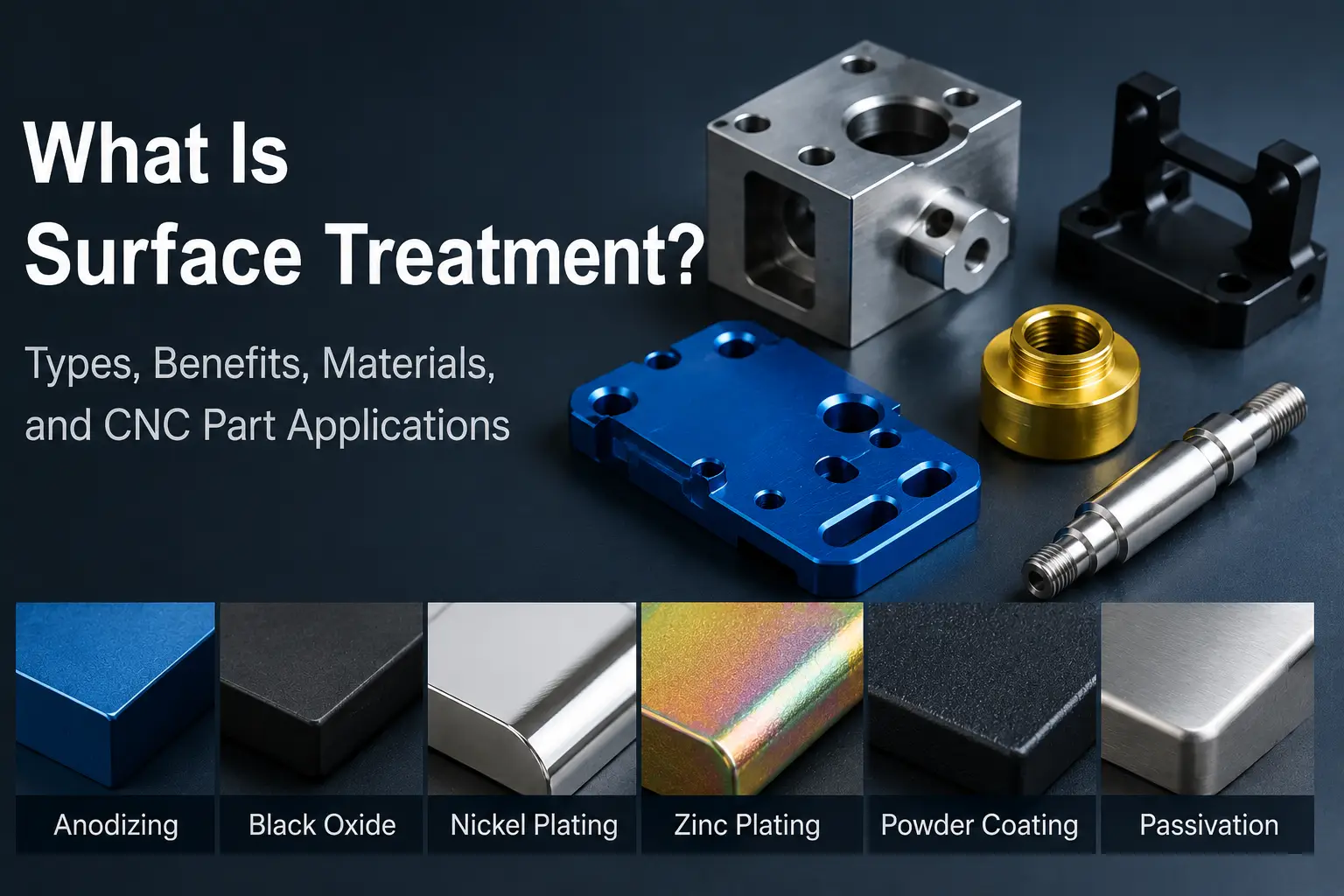
How Modern Manufacturers Transform Vehicle Performance Through Precision Engineering The automotive industry faces unprecedented pressure to reduce vehicle weight while maintaining structural integrity and performance standards. CNC Machined Components have emerged as the cornerstone technology enabling this transformation, offering manufacturers precision-engineered solutions that could revolutionize how vehicles are designed and produced. According to discussions on Reddit’s r/MachinePorn community, automotive engineers increasingly recognize that traditional manufacturing methods may not meet the stringent requirements of modern lightweight design. Industry professionals consistently highlight how precision-engineered components could reduce vehicle weight by up to 40% while enhancing performance metrics across multiple vehicle systems. Advanced Multi-Axis Machining Capabilities for Complex Geometries Modern automotive lightweight solutions require sophisticated manufacturing approaches that could handle intricate component designs. Five-axis CNC machining technology enables manufacturers to produce complex curved surfaces and integrated structures in single setups, significantly reducing assembly complexity. The technology utilizes three linear axes (X, Y, Z) combined with two rotational axes, allowing cutting tools to approach workpieces from virtually any angle. This capability proves particularly valuable for electric vehicle battery enclosure components, where complex cooling channels and mounting features must be integrated into lightweight aluminum structures. Industry data suggests that five-axis machining could achieve tolerances within ±0.005mm for critical automotive applications, ensuring perfect assembly and optimal performance characteristics. Reddit discussions in manufacturing communities frequently emphasize how advanced machining centers equipped with sophisticated control systems could produce components that would be impossible to manufacture using conventional three-axis approaches. The technology’s ability to machine multiple surfaces without repositioning workpieces may eliminate potential accuracy losses associated with multiple setups. Electric Vehicle Battery System Integration Solutions Electric vehicle manufacturers face unique challenges in developing lightweight battery packaging systems that meet safety, thermal management, and structural requirements. Precision-machined aluminum components could provide optimal solutions for battery enclosures, combining lightweight characteristics with exceptional strength properties. Battery cooling system manifolds represent particularly demanding applications where CNC Machined Components must integrate complex internal flow channels with precise mounting interfaces. These components typically require specialized five-axis machining capabilities to achieve the intricate geometries necessary for efficient coolant distribution while maintaining structural integrity under automotive operating conditions. Facebook automotive engineering groups regularly discuss how advanced CNC manufacturing techniques could enable the production of integrated cooling solutions that might reduce component count by up to 60% compared to traditional assembled systems. This integration approach may significantly improve reliability while reducing overall system weight and manufacturing complexity. Powertrain Lightweighting Through Advanced Material Processing Traditional automotive powertrains increasingly incorporate lightweight materials to improve fuel efficiency and performance characteristics. High-strength aluminum alloys, including 7075-T6 and 6061-T6 specifications, require specialized machining approaches that could maximize material properties while achieving required dimensional accuracy. Engine block components manufactured from aluminum alloys may achieve weight reductions of approximately 45% compared to traditional cast iron alternatives while maintaining equivalent strength characteristics. The machining process must carefully control cutting parameters and thermal effects to preserve material properties and achieve surface finishes that meet stringent automotive requirements. Manufacturing professionals on specialized Reddit forums consistently emphasize how proper tool selection and cutting parameter optimization could extend tool life while maintaining component quality. Advanced carbide and ceramic cutting tools may enable high-speed machining operations that significantly reduce cycle times for large automotive components. Chassis and Suspension System Lightweighting Strategies Automotive suspension components present unique engineering challenges where weight reduction must be balanced against structural strength and durability requirements. Precision-machined suspension arms manufactured from high-strength aluminum forgings could achieve optimal strength-to-weight ratios while meeting demanding fatigue life requirements. The machining process for these components typically involves complex multi-axis operations to achieve the intricate geometries required for optimal load distribution. Critical connection points must maintain precise dimensional relationships to ensure proper alignment and prevent premature wear in suspension systems. Industry discussions on automotive engineering platforms frequently highlight how advanced finite element analysis combined with precision machining could enable suspension component designs that might reduce unsprung weight by up to 30% while improving ride quality and vehicle handling characteristics. Body Structure Integration Through Multi-Material Joining Modern automotive body structures increasingly utilize multi-material designs that combine steel, aluminum, and advanced composites to optimize weight and performance. CNC Machined Components play crucial roles in enabling reliable connections between dissimilar materials while maintaining structural integrity under crash loading conditions. Specialized joining components must accommodate different thermal expansion characteristics and galvanic compatibility requirements while providing consistent mechanical properties. The machining process could incorporate features that enhance joint reliability and may include specialized surface treatments to prevent corrosion in multi-material assemblies. Reddit automotive engineering communities regularly discuss how precision-machined joining solutions could enable body designs that might achieve weight reductions of 20-25% compared to traditional all-steel structures while maintaining equivalent safety performance in crash testing scenarios. Advanced Material Processing and Surface Treatment Integration Lightweight automotive components frequently require specialized surface treatments to enhance durability, corrosion resistance, and aesthetic appeal. Precision-machined aluminum components may benefit from anodizing processes that could improve surface hardness while providing excellent corrosion protection in automotive environments. The integration of machining and surface treatment processes requires careful consideration of dimensional requirements and material compatibility. Components designed for powder coating applications must incorporate appropriate surface preparation and may require specific machining approaches to achieve optimal coating adhesion and appearance characteristics. Manufacturing discussions on professional platforms consistently emphasize how coordinated machining and finishing processes could reduce overall production time while ensuring consistent quality across large production volumes. This integration approach may significantly improve cost-effectiveness for automotive component manufacturers. Quality Control and Precision Measurement Systems Automotive applications demand exceptional quality consistency and dimensional accuracy across large production volumes. Advanced coordinate measuring machines (CMM) integrated with statistical process control systems could ensure that every component meets stringent automotive specifications while maintaining production efficiency. Real-time quality monitoring systems may incorporate laser measurement and vision inspection technologies to achieve 100% dimensional verification during production. These systems could detect dimensional variations within micrometers while providing immediate feedback for process optimization and tool wear compensation. Industry professionals frequently discuss how automated quality systems could achieve Cpk values exceeding 1.67 for critical automotive dimensions while reducing inspection time and labor costs. This capability may be essential for meeting automotive industry quality requirements and maintaining customer satisfaction. Sino Rise Advanced Manufacturing Solutions Sino Rise offers comprehensive CNC machining capabilities specifically designed for automotive lightweight applications. With over 80 advanced machining centers and ISO 9001, TUV, and IATF16949 certifications, the company provides integrated solutions from design verification through final packaging and shipping. The company’s five-axis machining capabilities could handle complex automotive components with tolerances within ±0.005mm while maintaining production efficiency for both prototype and volume production requirements. Their experienced engineering team may provide valuable design optimization guidance to ensure manufacturability and cost-effectiveness. Sino Rise’s one-stop service approach includes comprehensive surface treatment options, assembly services, and quality documentation that meets automotive industry requirements. This integrated approach could significantly reduce supplier complexity while ensuring consistent quality and delivery performance for automotive manufacturers.

Read More »

Advanced Thread Milling for Aerospace Materials: Precision Manufacturing Solutions

Industry Leadership and Brand Positioning In aerospace manufacturing, where precision tolerances and material complexity define success, CNC milling tools have become the cornerstone of advanced threading operations. With over two decades of experience in precision machining, the industry has witnessed a fundamental shift toward thread milling techniques that could revolutionize how manufacturers approach difficult materials like titanium alloys, high-temperature superalloys, and carbon fiber composites. Sino Rise, as a leading CNC machining service provider, has established itself at the forefront of this technological evolution. Our comprehensive portfolio spans CNC Turning, CNC Machining, 5 Axis CNC Machining, and advanced threading solutions, positioning us as the trusted partner for aerospace manufacturers seeking precision and reliability. Our extensive CNC machine fleet enables one-stop services from design verification through packaging and shipping, ensuring superior product quality for demanding aerospace requirements. Core Advantages: Thread Milling vs Traditional Methods The advantages of thread milling over conventional tapping methods may be demonstrated through comprehensive performance analysis. Thread milling offers near-zero tool breakage risk compared to traditional tapping’s 15-20% failure rate, primarily due to controlled withdrawal capabilities that eliminate costly workpiece scrapping. Parameter Thread Milling Traditional Tapping Tool Breakage Risk Near-zero (controlled withdrawal) High (15-20% failure rate) Material Compatibility All aerospace alloys Limited to softer materials Thread Size Flexibility Single tool, multiple sizes Individual tap per size Surface Finish Quality Ra 0.8-1.6 μm Ra 2.0-3.2 μm Precision Control ±0.005mm tolerance ±0.02mm tolerance Cost Efficiency 60-70% inventory reduction High inventory requirements Enhanced material adaptability represents another significant advantage, as thread milling could process titanium alloys (Ti6Al4V), Inconel 718, and hardened steels that may challenge conventional tapping operations. A single thread mill may replace up to 20 different tap sizes, reducing inventory costs substantially while improving production reliability through zero tool breakage scenarios. Product and Service Core Elements Analysis Specialized CNC milling tools architecture encompasses various design classifications optimized for aerospace applications. Single-flute thread mills provide maximum control and chip evacuation advantages when machining titanium and nickel-based alloys, featuring special helix angles that may reduce radial cutting forces on thin-walled components. Multi-flute options could increase throughput for softer materials and high-volume production scenarios, though they generate more chips requiring enhanced evacuation systems. Advanced coating technologies play crucial roles in aerospace material processing. High-temperature resistant coatings may withstand temperatures exceeding 1000°C, effectively reducing chemical affinity during titanium machining and suppressing built-up edge formation. Friction-reducing coatings could decrease friction coefficients by 30-40%, helping control micro-welding issues during high-temperature alloy processing while improving chip flow characteristics. Thread milling techniques center on helical interpolation, where tools perform circumferential motion in the XY plane while simultaneously moving axially along the Z-axis to create thread profiles. For titanium alloys like Ti6Al4V, cutting speeds should remain within 80-120 m/min with feed rates of 0.1-0.15 mm/tooth, utilizing high-pressure internal cooling systems at 10 MPa minimum to maintain cutting temperatures below 600°C and prevent heat accumulation. High-temperature alloys such as Inconel 718 may require cutting speeds of 60-90 m/min with feed rates of 0.08-0.12 mm/tooth, employing micro-lubrication (MQL) systems to suppress work hardening and long chip entanglement issues. Five-axis simultaneous helical interpolation proves essential for complex aerospace components, enabling single-pass formation of angled threads and non-orthogonal holes with micron-level precision. Customized CNC Thread Milling Solutions Sino Rise’s engineering expertise enables comprehensive customization across diverse aerospace applications. Our team collaborates closely with clients to develop optimized CNC Thread Milling Solutions that may address specific material challenges, geometric constraints, and performance requirements. From turbine blade threading requiring five-axis simultaneous interpolation to landing gear components demanding high-strength steel processing capabilities, we provide integrated solutions ensuring superior results. Aerospace component categories benefit from tailored approaches: Turbine Blade Threading: Adaptive radial compensation systems detect thin-wall deformation in real-time, automatically adjusting tool center trajectories through CAM software with micron-level precision Landing Gear Components: Large diameter thread capabilities combined with fatigue-resistant surface finishes for critical safety applications Engine Mount Systems: Multi-material compatibility accommodating complex geometries while optimizing weight considerations Our comprehensive service portfolio includes design verification, precision machining, surface treatment, and quality assurance, delivered through our extensive manufacturing capabilities and advanced 5 Axis CNC Machining systems. Usage and Maintenance Guidelines Operational best practices begin with proper workpiece preparation, including material verification, appropriate workholding system selection, and thermal expansion compensation planning. Tool selection criteria should consider material-specific coating requirements, optimal flute configurations, and appropriate tool length determination with verified runout procedures. Process parameter optimization requires careful attention to material hardness considerations, tool diameter adjustments, depth of cut limitations, and coolant flow requirements. Quality control checkpoints must include thread pitch verification, surface finish measurement, dimensional accuracy confirmation, and systematic tool wear monitoring. Maintenance Task

Read More »

Maximizing Your Workflow with Innovative Automated Applications

Understanding Automated Applications Automated apps are basically software tools created to handle those boring repeatable jobs, boost productivity, and make workflows run smoother in pretty much every sector out there. Businesses today rely heavily on these systems because they let organizations get stuff done without needing constant hands-on work from employees. The real value comes when operations become more efficient, mistakes drop significantly, and companies stop wasting so much time and money on mundane tasks. What this means is that management can actually spend their energy on bigger picture initiatives instead of getting bogged down with day-to-day grind. Apps today use algorithms and AI to handle jobs people used to do manually. Take Zapier and IFTTT for instance they connect various apps together so repetitive stuff gets done automatically. Think about filling forms or sending messages to clients these tools just take care of it all. When companies start using AI, they don’t just save time on simple chores either. They can actually run advanced stuff too like predicting trends or understanding what customers say through chatbots and other interfaces. The business world is definitely moving toward automation. More and more companies are finding that relying on smart software helps them stay ahead of competitors while coming up with new ideas faster than ever before. Benefits of the Best Automated Applications When it comes to getting things done faster, automated apps definitely bring some serious advantages. By taking care of those boring, repetitive jobs that eat up so much time, automation lets teams actually work on stuff that matters more. Think strategy, big picture thinking rather than just grinding away at routine tasks all day long. A recent look at data from McKinsey & Company shows companies are talking about saving anywhere between 20 to 30 percent of their working hours thanks to these automated processes. That kind of time savings really makes a difference when trying to boost overall productivity across different departments. One big plus of automated apps is how they cut down on human mistakes. When people handle things manually, slips happen all the time – think data entry typos, misread measurements, or missed steps in complex procedures. These errors cost companies both time and money as they have to fix problems downstream. Automation systems follow strict protocols without getting tired or distracted, so they make far fewer mistakes than their human counterparts. According to industry specialists looking at workflow improvements, some businesses report cutting error rates nearly in half after implementing automation solutions. While not completely foolproof, these systems definitely boost reliability across most operations when properly configured. Automated apps really boost how teams work together day to day. When different software gets integrated smoothly, it makes talking and coordinating much easier for everyone involved. Take project management tools as an example they often send instant alerts and status updates so no one misses what needs doing next. The whole setup works great for remote teams too since people can stay connected despite being in different parts of the world. Most companies find that their workflows become tighter and more productive once these systems are properly implemented across departments. Features to Look For in Best Automated Applications The best automated apps usually need something simple on the screen so people don’t spend ages learning how they work. If the design makes sense at first glance, folks just jump right in instead of getting stuck figuring things out. Take our warehouse team for example they switched to an app last year where everything was laid out clearly from day one. The transition went way better than expected because workers didn’t need weeks of training sessions. Just point them at the main menu and they started making real progress almost immediately. Companies that invest in easy to use interfaces often see their staff pick things up faster and actually enjoy using these tools rather than dreading another complicated software package. How well an app can work together with other programs matters a lot when picking quality automation tools. Most businesses need their apps to talk to things like customer relationship managers, project tracking software, and all sorts of business apps just so everything stays connected instead of being isolated silos. Some apps stand out because they have really good application programming interfaces. Take Salesforce or Asana for instance these platforms let data move between systems automatically. No one has to copy paste information manually anymore which saves tons of time and reduces errors in day to day operations. For companies looking to grow or manage different operations, scalability and customization matter a lot when it comes to automation. When an application can grow alongside a business and still be tweaked to match how things actually work day to day, that’s where real value shows up over time. Take a look at what’s happening in the market right now. Big names in tech keep pointing to platforms such as Salesforce and HubSpot because they let businesses scale up without breaking a sweat while also letting them mold the software around their unique workflows. These kinds of adaptable systems just make sense for organizations facing all sorts of changing conditions and expanding needs. Top Automated Applications for Workflow Optimization In the rapidly changing world of business technology, selecting automated applications tailored for workflow optimization becomes paramount for improving efficiency and productivity. Let’s explore some leading tools that are reshaping how companies automate their processes. Zapier is great at linking different web apps together so people can automate stuff without needing to write code. The platform has around 3,000 connections these days, which means it works with pretty much anything from sending immediate email notifications to updating customer records automatically. We’ve seen teams transfer data back and forth between Google Sheets and Salesforce without lifting a finger. What really stands out though is how easy it makes things for folks who aren’t tech experts at all. Marketing staff, salespeople, even HR managers can set up complicated automation flows just by clicking buttons. For small startups or big corporations alike, this saves tons of time and money while keeping everyone productive throughout the day. Integromat stands out because of its visual interface that makes building complicated automation workflows much easier than other tools on the market. Users love how they can just drag and drop elements to create their own custom processes without needing any coding skills. What really sets this apart is the ability to connect all sorts of different applications together in ways that weren’t possible before. When putting together these workflows, everything feels pretty straightforward once you get used to it. The system runs scenarios in real time while offering integration with hundreds of popular services across industries. Many businesses find themselves reaching for Integromat when they need to streamline operations whether something small or something quite complex needs handling. UiPath focuses on robotic process automation or RPA for short, helping big companies handle those boring repetitive tasks they need done over and over again. The software handles both basic stuff like filling out forms and complicated operations involving massive amounts of data processing. What this means in practice is fewer people stuck doing mind numbing work and faster results across the board. Companies stay productive because things like entering information into databases, handling customer inquiries through chatbots, and other routine operations get handled automatically. Plus it plays nicely with most major business apps already running in the background of corporate networks. Trello really changes how people handle tasks and manage projects because it works so well with other tools and has those handy automation features. The platform lets users set up automatic actions for things they do over and over again, like creating new boards when starting a project, handing out assignments, or changing status updates on cards. This cuts down on wasted time that would otherwise be spent doing these routine steps manually. What makes Trello stand out is how easily it connects with all sorts of different business applications. Many companies now consider it almost necessary for their day-to-day operations since it helps everyone stay on the same page no matter where they are located. Teams find themselves collaborating much more efficiently thanks to this seamless integration between platforms. ActiveCampaign takes marketing and CRM to another level by handling those tedious tasks automatically. Think about all those emails that need sending, follow ups after sales calls, and keeping track of what customers actually do online. The platform lets companies craft messages tailored specifically for different groups of people, which tends to boost how many folks actually buy stuff and stay engaged with the brand. When businesses automate all this complicated work, they free up time to concentrate on bigger picture stuff instead of getting bogged down in daily grind. Many small businesses report seeing noticeable improvements in their bottom line within just a few months of switching to ActiveCampaign for their marketing needs. These applications illustrate the vast potential of automation to redefine business efficiencies. Organizations can select tools that fit their specific needs, ensuring streamlined operations and enhanced productivity. Choosing the Best Automated Applications for You

Read More »

CNC Industry Insights: Projects and Growth Predictions for 2025

Current State of the CNC Industry CNC machines, also known as Computer Numerical Control systems, have become essential equipment in today’s manufacturing world, completely changing the way factories make products. With these machines, operators can automate tool movement through computer programs, resulting in much greater accuracy and faster production times compared to older manual techniques. Many manufacturers rely on CNC tech to create complicated components almost entirely without direct human oversight, especially when dealing with detailed design requirements. From aerospace components to medical devices, the flexibility of CNC systems covers everything from basic cutting operations to sophisticated drilling and milling tasks. This adaptability makes them indispensable across multiple industries including automotive, electronics, and even custom furniture making where precision matters most. Industries ranging from aerospace to automotive and even healthcare are increasingly turning to CNC technology because they need precise manufacturing and automated processes. The numbers back this up too – we see more CNC machines being used all the time. For instance, aerospace companies rely heavily on them for those super accurate parts while car manufacturers benefit from faster production lines. Medical device makers also depend on these machines to create complex components that would be impossible with traditional methods. Looking at what’s happening in the market right now, it’s clear businesses can’t seem to get enough of CNC technology. And this trend shows no signs of slowing down anytime soon since automation keeps getting better and smarter manufacturing solutions continue to expand across different sectors. Factors Influencing Estimated Growth of CNC Industry in 2025 Manufacturing companies are turning to automation at an unprecedented rate, and this trend is fueling rapid expansion in the CNC industry. Research shows factories using automated systems can see their production output jump around 30% compared to traditional methods. The move toward automation fits right into what many call Industry 4.0 – basically just a fancy term for manufacturers embracing smarter tech solutions across their operations. Take a look at automotive plants where robots now handle precision tasks once done by hand, or electronics factories where errors used to cost millions but now get caught early through computer controlled processes. Aerospace manufacturers are doing similar things too, investing heavily in CNC technology because they need parts made faster and with zero tolerance for mistakes. As long as businesses keep chasing those dual goals of speed and accuracy, CNC machines will remain a must-have tool in modern manufacturing shops everywhere. New tech developments are driving big changes in the CNC industry right now. When manufacturers start adding AI and IoT capabilities to their CNC machines, they get all sorts of benefits from constant monitoring systems that spot problems before they happen. These smart features cut down on machine downtime while making operations run smoother overall. We’re seeing some pretty cool stuff lately too – there are now CNC machines powered by artificial intelligence that actually learn when parts might fail and recommend better cutting paths automatically. And let’s not forget about all the fancy new materials coming out that require super precise manufacturing techniques. Industries like medical device production and aircraft component fabrication rely heavily on these exacting standards, which means demand for high quality CNC work will keep growing strong into next year and beyond. Market Size and Projections for CNC in 2025 The CNC industry looks set for significant expansion through 2025, with market valuations showing strong upward trends. Research suggests the CNC machine tools segment alone could grow by around $21.9 billion from 2025 to 2029. That translates to roughly a 5.4% compound annual growth rate over those years according to Technavio reports. What’s driving this surge? Manufacturers are increasingly demanding precision machining solutions, especially as artificial intelligence systems get better integrated into production lines. Multi-axis technology developments have also made complex parts manufacturing faster and more accurate, which explains why so many companies are investing heavily in these advanced machining centers right now. A number of different industries will play a big role in this growth pattern, though they’ll grow at different speeds depending on their particular needs. Take the automotive sector for example it still holds major importance because manufacturers need greater accuracy in car production and there’s been a huge surge in electric vehicles lately. Aerospace, defense, electronics and medical device manufacturing also count as important players here since CNC tech makes those complicated, tight tolerance operations possible across all these areas. Looking at what’s happening now, better CNC system features like instant data tracking and automated factory processes are really pushing forward expansion across multiple sectors. These improvements help maintain exact specifications, cut down mistakes made by people, and boost how fast things get produced overall something absolutely necessary if companies want to keep up with what each industry specifically requires. Challenges Facing the CNC Industry The CNC manufacturing sector faces some pretty tough headwinds these days when it comes to running costs. Labor has become a major pain point for shop owners across the country. Finding good CNC operators isn’t easy anymore since there aren’t enough people trained properly for these jobs. And those who are qualified? They command higher paychecks now because demand outstrips supply. Manufacturers are seeing their bottom lines shrink as they compete for talent in tight local markets. At the same time, buying new CNC equipment keeps getting pricier too. Advanced machining centers can set back hundreds of thousands of dollars upfront, not to mention ongoing maintenance costs. Industry reports show that combined labor and machine expenses have gone up around 15% over the past three years alone. This financial pressure makes many small shops hesitant to invest in cutting edge technology even though they know they need to stay competitive long term. When manufacturers try to bring in CNC technology, they run into some pretty tough tech integration problems. A lot of businesses find themselves stuck because their new CNC equipment just doesn’t play nice with the older machines and systems they already have running. And things get even trickier when looking at the people side of it all. Many workers simply don’t know how to handle these advanced CNC machines properly. Getting up to speed with this kind of tech requires money for new equipment, sure, but there’s another cost too – training everyone involved. Companies need to invest in both hardware upgrades and employee education at the same time, which makes the whole transition process really challenging. That’s why we’re still seeing relatively slow adoption rates of CNC technology throughout different industries despite its obvious benefits. Key Sectors Contributing to CNC Growth CNC technology just wouldn’t be where it is today without the automotive and aerospace industries pushing things forward. Both fields require extremely precise manufacturing because they deal with components where even tiny errors can lead to major problems down the road. Take cars for instance – modern vehicles have so many complex parts that need exact measurements. As more people start buying electric vehicles, manufacturers need even better precision than before, which naturally drives up demand for advanced CNC machinery. The automotive industry alone makes up roughly half of all machine tool sales worldwide right now, thanks largely to ongoing tech improvements and simply building more cars overall. This trend shows no signs of slowing anytime soon either. Beyond cars and planes, electronics makers and medical device companies are jumping on the CNC bandwagon too. For gadgets we all use daily, CNC tech cuts out tiny parts needed for smartphones and those fancy computer chips everyone talks about. Doctors and hospitals need this precision stuff as well when making things like scalpels that have to fit just right or hip replacements that must last decades without failing. As manufacturers keep finding new ways to apply these machines across different fields, what gets made keeps getting better and better. We’re seeing more startups pop up with cool ideas because they can actually produce prototypes quickly now thanks to CNC capabilities. Future Outlook for the CNC Industry Beyond 2025 Looking ahead past 2025, the CNC industry seems to be heading toward some exciting developments as new tech like additive manufacturing starts blending with what we already know from traditional CNC work. Take 3D printing for instance it actually works well alongside standard CNC processes because it allows makers to produce intricate shapes that would have been impossible just a few years ago. When these two approaches come together, it opens up all sorts of possibilities for what CNC machines can do. Manufacturers are already experimenting with hybrid systems that mix both subtractive cutting and additive building techniques. This is creating some pretty cool applications across industries where precision matters most, especially aerospace and medical device manufacturing where even small improvements make a big difference. The future looks bright for the CNC industry with plenty of room for growth on the horizon. Reports from companies like Technavio are pointing to some impressive numbers too

Read More »
滚动至顶部