

Home / CNC-Machining / CNC-Turning / CNC Turned Brass Slotted Bushing
CNC turned brass slotted bushing with milled lubrication slots

CNC Turned Brass Slotted Bushing

Slotted bushings turned from CW614N brass or bronze, with a bore honed to H8 and 0.01 mm roundness, outside diameter held to h7, lubrication slots milled to ±0.05 mm in width and a 15° lead-in chamfer at both ends. Oil holes are drilled through the wall and deburred from the bore side before the final hone.

*Send the shaft diameter and the running clearance, plus the lubrication method. A slot bushing that is greased needs different slot geometry from one that runs oil-impregnated.

Slotted Bushing Overview

A slotted bushing is a plain bearing with a lubrication path cut into it. The clearance sets the film thickness, the slots distribute the lubricant and the chamfer stops the shaft from shaving a burr off the bore edge on assembly.

The bushing is turned with the bore undersize, the slots and oil holes are milled, then the bore is honed to size so the slot edges are crossed by the hone rather than left with a milling burr. The outside is finished between centres to keep it concentric with the bore.

Final inspection and packing of a brass dome cap and a tapered nozzle cone
304L stainless steel round bar stock for CNC machining

CW614N Brass

Free-cutting brass is used for low-load, low-speed bushes because it machines to a fine bore and resists fretting against a steel shaft. It is not suitable for high load, where the film breaks down and the brass picks up on the shaft.

304L stainless steel plate and block stock for CNC machining

Phosphor Bronze or Oilite

Phosphor bronze is chosen for higher load and lower speed, where its structure holds a lubricant film. Sintered Oilite is used where the bushing must run without a grease line, because the porosity stores oil through the wall.

Brass for light duty and clean shafts; bronze where the load is higher or the shaft is hardened; sintered bronze where no lubrication point exists.

Slotted Bushing Specifications

Turning and slotting data for lubricated bushings, with the bore, slot and concentricity values that set the running clearance.

SpecificationMachining DataSpecificationMachining Data
ProductSlotted Bushing / Lubricated SleeveMachining ProcessCNC Turning, Slot Milling, Honing
MaterialCW614N Brass or BronzeBore RangeØ 8 – 90 mm
Outside DiameterØ 14 – 120 mm, h7Bore ToleranceH8, Roundness 0.01 mm
Wall Thickness2 – 12 mmSlot Width1.5 – 6 mm, ±0.05 mm
Slot DepthThrough Wall or Blind 70 %Concentricity0.015 mm Bore to OD
Lead-in Chamfer15° × 1 mm Both EndsOil HolesØ 1 – 4 mm, Deburred Inside
CustomizationGraphite Plugs, Grease Groove, Flanged EndLead Time5 – 7 Days Sample, 10 – 14 Days Batch
InspectionBore Air Gauge, CMM Slot Position, Concentricity Between CentresPackingOil Coated, Individually Bagged, Carton

Key Features of Our Slotted Bushings

Slots first, hone last, no burr in the bore.

Bore Honed After Slotting

Honing crosses the slot edges, so no milling burr is left to score the shaft or to break away into the clearance.

Slots Milled to ±0.05 mm

The slot width controls how much lubricant reaches the load zone, and is held to ±0.05 mm with the ends radiused so no crack starts.

Lead-in Chamfer Both Ends

A 15° chamfer lets the shaft enter without shaving the bore edge, which is the usual cause of a new bushing scoring on first assembly.

OD Concentric to 0.015 mm

The outside is finished between centres after honing, so the bushing sits square in its housing and the clearance is uniform around the shaft.

Bushing that has to hold a lubricant film?

Surface Finishes for Slotted Bushings

The bore is the running surface and stays bare; the outside is a press fit and also stays bare.

FinishMain PurposeFinishMain Purpose
Oil ImpregnationLubricant retention in dry-start bushesUltrasonic CleanRemoves slot burrs and cutting oil
PassivationRemoves free iron from toolingTumble DeburrBreaks slot edges without rounding the bore
Laser MarkingBore size and fit directionBare BoreNo coating inside the running clearance

*No coating goes inside the bore or on the outside diameter, because either would change the fit. Protection is oil or VCI, not plating, unless the bore is masked.

logo

Put your CNC milling parts into production today

All information and uploads are secure and confidential.

Trusted for Precision CNC Machined Components

Supporting OEM projects with accurate machining, flexible production, and reliable component quality.

Mechanical Equipment Customer
The bushings pressed in squarely, and the shaft turns freely with no tight spot.

Industrial Components Buyer
The slots carry grease around the whole bore, and the wear is even.

Equipment Manufacturer
The bore held its clearance, and we have had no scoring on the shafts.

OEM Customer
OEM Customer
The lead-in chamfer stopped the shaft shaving the bore on assembly.

Automation Industry Customer
The customized machining solution provided the dimensional accuracy required for our rotating equipment components.
Trusted for Precision CNC Milling.

Turning Process for Slotted Bushings

The slots are milled before the bore is honed, so the honing bar crosses the slot edges and leaves no burr to score the shaft.

01. Shaft and Lubrication Review

Check the shaft diameter, the required clearance and the lubrication method, then decide slot width, depth and oil hole position.

02. Turn With Bore Allowance

Turn the outside to h7 and bore 0.1 mm undersize, then part off with enough face allowance to clean up both ends.

03. Mill Slots and Drill Oil Holes

Mill the slots to width with radiused ends, drill the oil holes through the wall and deburr from the bore side before honing.

04. Hone the Bore

Hone to H8 with a cross-hatch pattern, checking roundness and clearance with an air gauge at both ends of the bore.

05. Chamfer, Clean, Oil

Cut the 15° lead-in chamfers, ultrasonically clean, oil coat and bag each bushing so the bore is not handled before fitting.

Send the shaft diameter and the lubrication method, and we will quote bushings with the bore honed after slotting.

Slotted Bushing FAQs

0.02 to 0.05 mm on a 20 mm shaft for greased duty, and up to 0.08 mm for dry or dirty service. The clearance is set by the bore hone, so it is fixed at machining.

Slots carry lubricant around the circumference to the load zone, while a single hole feeds one point. Slots are used where the load direction changes or the shaft runs continuously.

Yes, for sintered bronze. Solid brass cannot be impregnated, so it is supplied oil coated or with graphite plugs fitted into the wall.

The bore is honed after slotting, which crosses the edges cleanly. The outside slot edges are tumble deburred, so no hand work touches the bore.

At least 2 mm for a 20 mm bore, and 1/8 of the bore diameter for higher loads. A thin wall collapses when pressed into an interference-fit housing.

Yes, a flange can be turned on one end with the flange face square to the bore, which also gives a thrust surface and a positive axial location.

Other CNC Machined Mechanical Components

Explore additional precision CNC machined components manufactured for OEM applications and customized production needs.

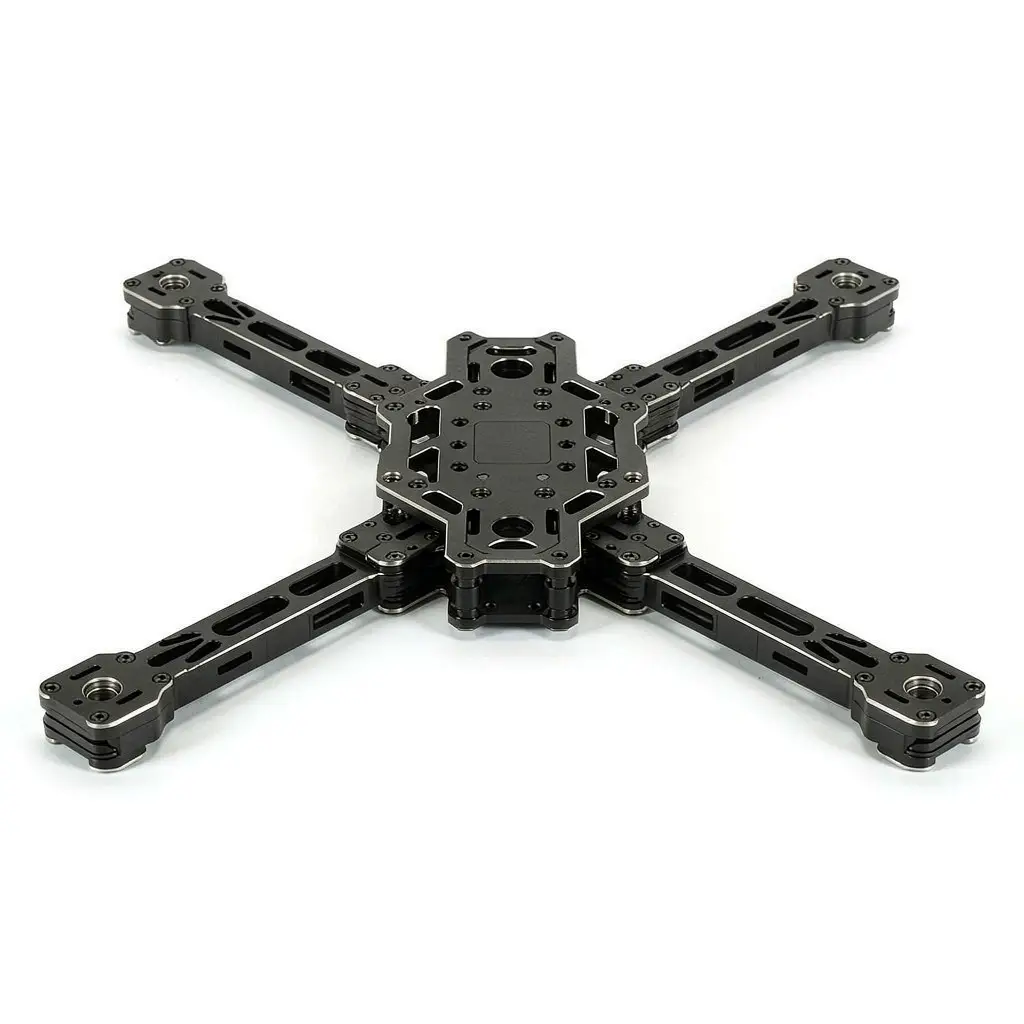
Explore CNC milled UAV frames in 6061 or 7075 aluminum, built for lightweight structures, accurate assembly, component.

CNC machined 4140 alloy steel spur gears with hobbed teeth to DIN 6, bore and face square to 0.02 mm, induction hardened to 50.

Five-axis milled 316L stainless frame bases with compound-angle lightening windows, wall held to 1.5 mm and mounting faces flat.

Custom CNC machined aluminum gearbox housings with bored bearing seats and a split face.

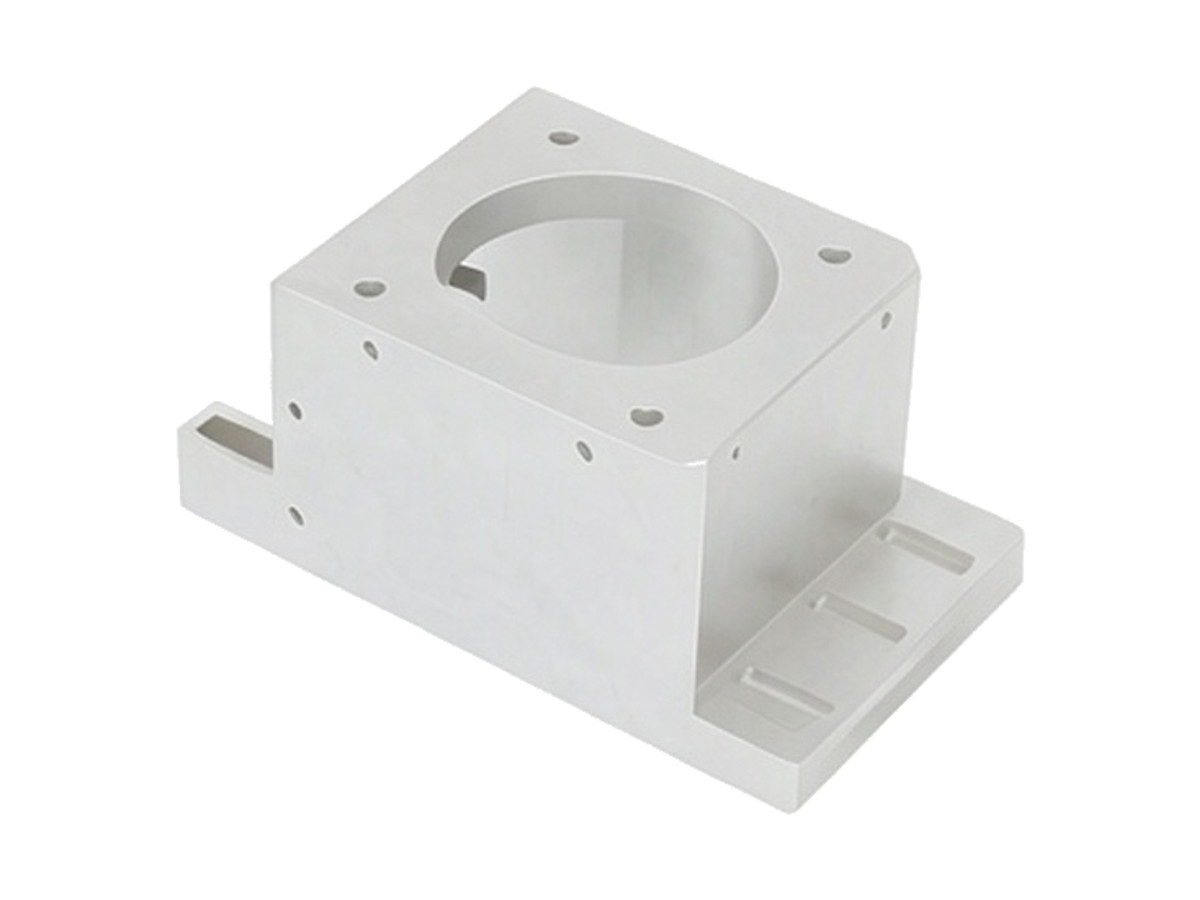
Custom CNC machined aluminum motor bases and mounting pedestals for servo and spindle motors.

Get high‑quality machined parts in as fast as 4 days with our expanded automated CNC milling!

Scroll to Top