CNC Machined Steel Rod End Clevis
Rod end clevises machined from 1045 steel, with a fork slot parallel to 0.03 mm, a pin bore to H8 coaxial with the shank within 0.03 mm, a rolled M8 to M30 thread and a shoulder square to 0.03 mm. Black oxide or zinc plating with the thread masked.
- Fork Slot Parallel 0.03 mm
- Pin Bore Coaxial to 0.03 mm
- Thread Rolled, Not Cut
- Proof Loaded Before Plating
*Send the pin diameter and the mating rod thread. A bore cut to nominal H8 for a plated pin will be tight by the plating thickness, and a clevis that binds at the pin will fatigue the fork.
Rod End Clevis Overview
A clevis looks like a fork with a hole, but the bore has to be square to the shank, the slot faces have to be parallel and the shoulder has to sit flat, or the linkage binds as the rod rotates.
The part is turned from bar to establish the shank, the fork is milled and the slot cut with a slitting saw, then the pin bore is bored in line with the shank and the thread is rolled rather than cut.
1045 Carbon Steel
1045 is the default for clevises because it machines to a good bore finish and takes a rolled thread without tearing. It can be induction hardened to 28 to 32 HRC at the fork if the pin wears.
304 or 316 Stainless Steel
Stainless is chosen for marine and washdown linkages. It cannot be hardened, so the bore is usually fitted with a bushing or the pin is made from a harder grade than the clevis.
For a high-cycle linkage the bore is the wear point, not the fork; a 1045 clevis with a hardened pin outlasts a stainless clevis with a stainless pin by a wide margin.
Rod End Clevis Specifications
Turning, milling and boring data for fork ends, with the bore, slot and thread values that decide whether the linkage runs free.
| Specification | Machining Data | Specification | Machining Data |
|---|---|---|---|
| Product | Rod End Clevis / Fork End | Machining Process | CNC Milling, Boring, Thread Rolling |
| Material | 1045 Carbon Steel, 304 on Request | Envelope | Fork 20 – 60 mm, Shank M8 – M30 |
| Fork Slot | Width ±0.03 mm, Faces Parallel 0.03 mm | Pin Bore | Ø 6 – 30 mm, H8 |
| Bore to Shank | Coaxial Within 0.03 mm | Thread | M8 – M30, Class 6g, Rolled |
| Fork Depth | ±0.1 mm | Shoulder Squareness | 0.03 mm |
| Surface | Ra 1.6 µm in the Bore | Hardness | 28 – 32 HRC on Request |
| Proof Load | 1.5 × Working Load | Thread Length | 1.5 × Diameter Minimum |
| Customization | Left Hand Thread, Grease Hole, Oversize Bore, Flat Shank | Lead Time | 5 – 7 Days Sample, 12 – 16 Days Batch |
| Inspection | Bore Gauge, Thread Ring Gauge, Coaxiality on Pins | Packing | Thread Caps, Oil Paper, Boxed |
Key Features of Our Clevises
Bored from the shank axis, slotted parallel, thread rolled.
Pin Bore Bored From the Shank
The bore is machined with the shank in the chuck, so coaxiality stays within 0.03 mm and the clevis does not side-load the rod when it rotates.
Slot Faces Cut Parallel
The slot is cut with a slitting saw in one pass and checked with a gauge, so the fork grips the rod end evenly instead of pinching one face.
Thread Rolled Rather Than Cut
Rolling leaves an uninterrupted grain flow at the thread root, which is where a cut thread on a 1045 clevis fails under vibration.
Proof Load Before Plating
Each batch is proof loaded to 1.5 times the working load while the surface is still bare, so a crack shows before the part is plated and shipped.
Clevis that has to line up with a rod?
Surface Finishes for Clevises
The bore and thread are fits, the outside is a corrosion surface, and plating thickness changes both fits.
| Finish | Main Purpose | Finish | Main Purpose |
|---|---|---|---|
| Black Oxide | Oil-retaining finish for linkage parts | Zinc Plating | Sacrificial corrosion protection outdoors |
| Masked Thread | Keeps the 6g fit after plating | Phosphate Coating | Paint key on welded assemblies |
| Laser Marking | Thread size and handedness | PTFE Coating | Dry running on a stainless pin |
| Coating Build | 8 – 12 µm, Thread Masked | Oil Dip | Black Oxide, Dried Before Packing |
| Thread Caps | Fitted After Gauging | Bore Plug | Keeps Grit Out in Transit |
| Proof Certificate | Supplied With the Batch | Hardness Report | On Request |
*Zinc plating adds 8 to 12 µm and will close an H8 bore. Bores are masked or reamed after plating, and threads are cut to a pre-plate size so a 6g nut still runs on by hand.
Put your CNC milling parts into production today
All information and uploads are secure and confidential.
Trusted for Precision CNC Machined Components
Supporting OEM projects with accurate machining, flexible production, and reliable component quality.
Trusted for Precision CNC Milling.
Machining Process for Clevises
The pin bore is bored from the shank axis rather than from the fork faces, so the clevis lines up with the rod it is screwed onto.
01. Pin and Thread Review
Check the pin diameter with its plating, the mating rod thread and the required proof load before the bar is cut.
02. Turn the Shank and Shoulder
Turn the shank, face the shoulder square and roll the thread, keeping the shank in the chuck for the boring operation.
03. Mill the Fork
Mill the fork flat and to width, then cut the slot with a slitting saw and check the slot width with a gauge.
04. Bore the Pin Hole
Bore the pin hole from the shank axis, checking coaxiality with a pin and a dial indicator before the part leaves the machine.
05. Proof Load, Finish, Gauge
Proof load the batch, deburr, black oxide or zinc plate with the thread masked, then gauge the bore and the thread.
Send the pin drawing and the rod thread, and we will quote a clevis bored from the shank with the thread rolled and proof loaded.
Rod End Clevis FAQs
0.03 mm, because the bore is machined with the shank still in the chuck. A clevis bored from the outside faces instead will pull the rod sideways as it rotates.
Rolled for anything that sees vibration or fatigue. Rolling puts the grain along the thread root; a cut thread on 1045 leaves a sharp root that cracks from the first stress cycle.
Yes, left hand is rolled with a left hand die to the same 6g class and marked LH on the fork so it cannot be fitted the wrong way round.
1.5 times the working load you specify, applied through a pin in the bore with the shank held in a collet. Test certificates come with the batch on request.
It adds 8 to 12 µm per surface, which closes an H8 bore. Bores are masked with plugs or reamed after plating, and the thread is cut to a pre-plate size.
Yes, induction hardened to 28 to 32 HRC at the fork only, with the shank left soft so the thread does not become brittle under load.
Other CNC Machined Mechanical Components
Explore additional precision CNC machined components manufactured for OEM applications and customized production needs.
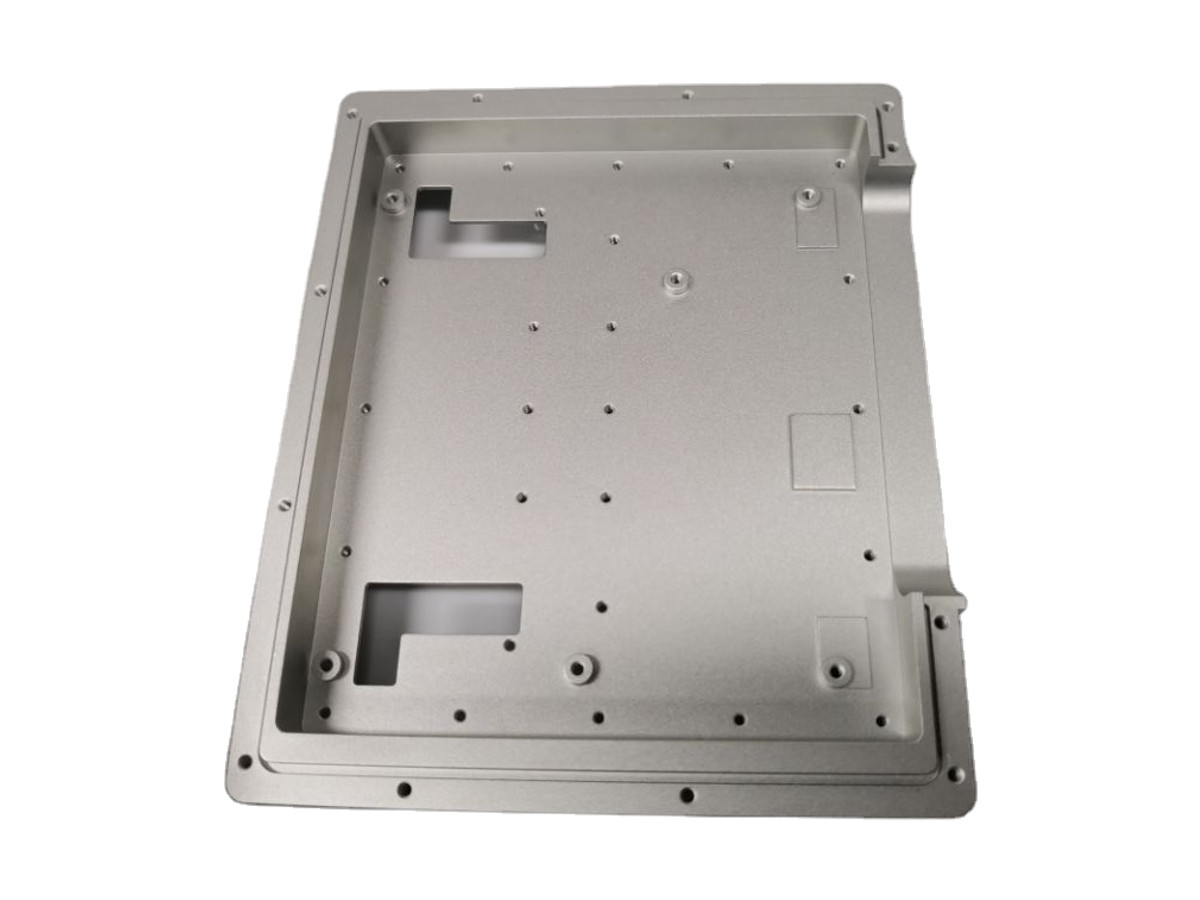
CNC machined 6061-T6 aluminium enclosure base plates with a pocketed floor, sealed gasket land, blind standoffs and edge screw.
CNC milled aluminium servo motor mounting bases with a bored pilot register, face flat to 0.02 mm and shaft centre height held to.
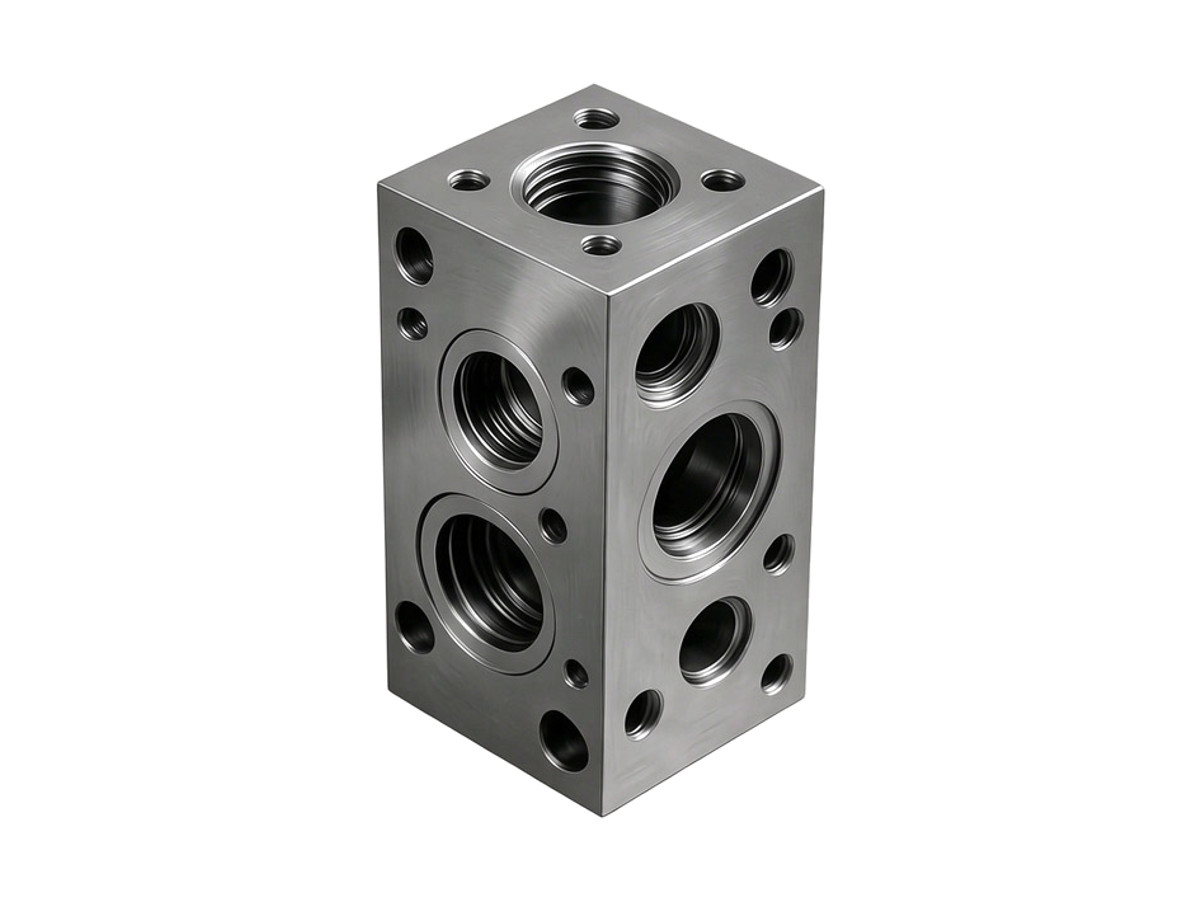
Custom CNC machined steel hydraulic manifold blocks with cross-drilled galleries and gauged ports.
Custom CNC machined stainless steel fixtures for automated assembly cells.
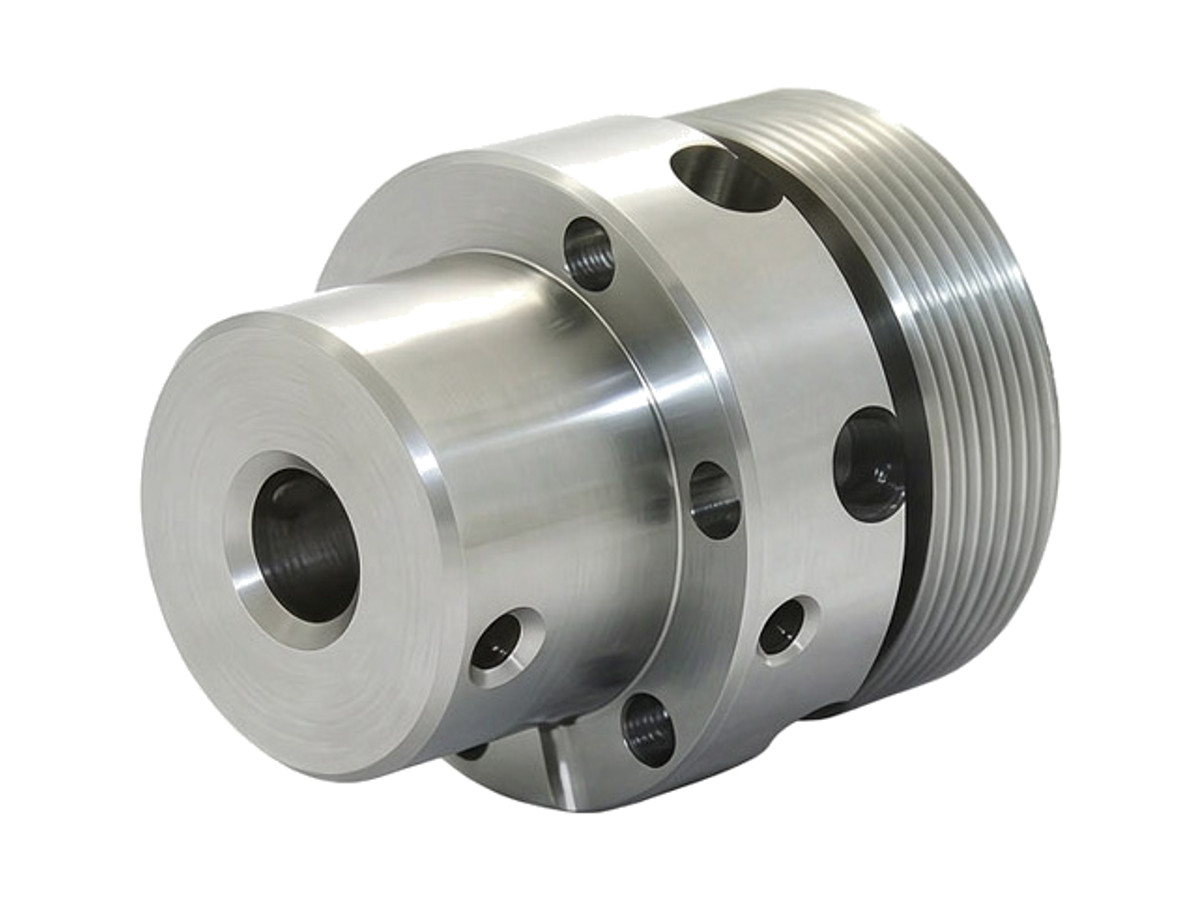
Precision CNC machined stainless steel rotary joint housings for robot arms and fluid transfer.
Get high‑quality machined parts in as fast as 4 days with our expanded automated CNC milling!