

CNC Machined Hardened Steel Sleeve for Robotic Joints
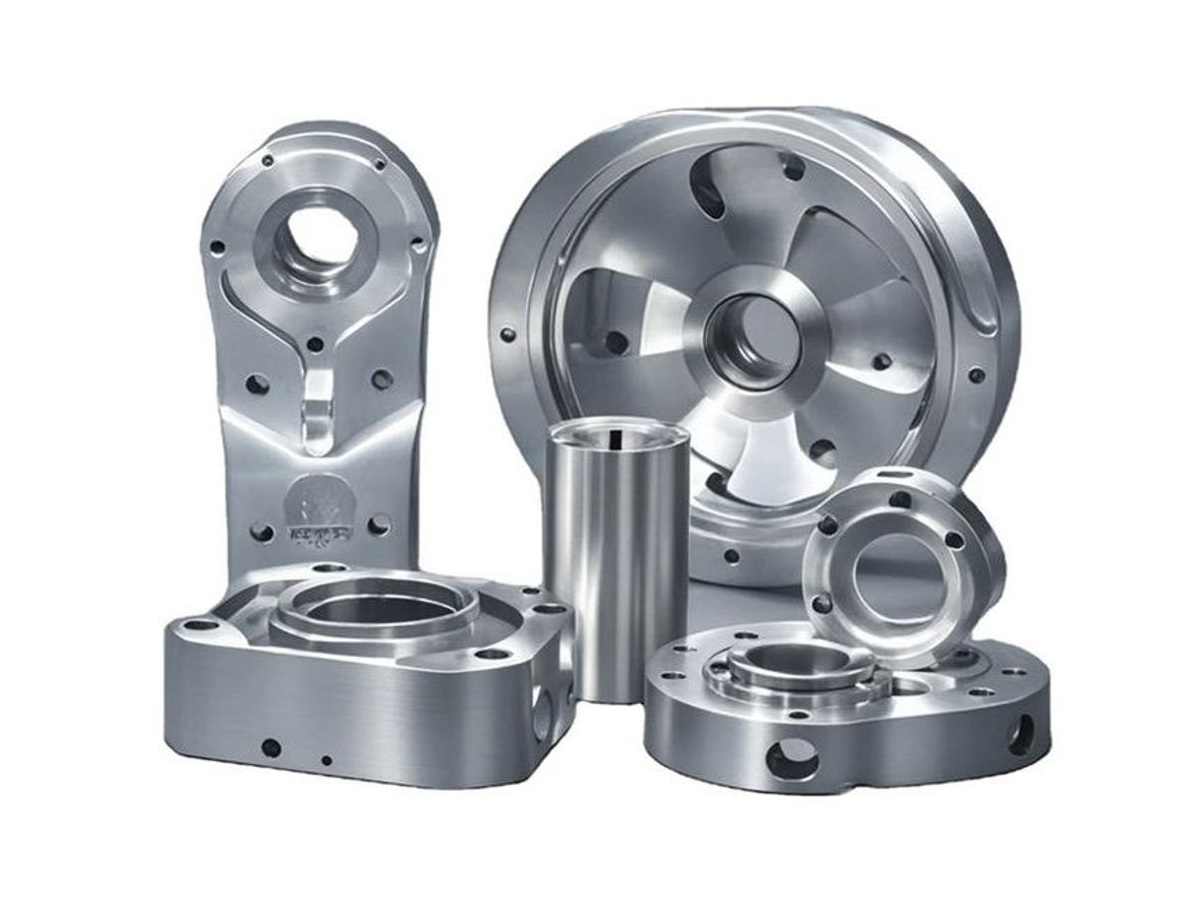
Custom CNC machined hardened steel sleeves for robotic joints, linear motion assemblies and rotating pivots, produced with the bore, flange face and cross holes machined in one sequence and the bearing bore ground after heat treatment.
- Heat treated sleeve with ground bore
- Material: 4140 / 1045 / SUS440C Steel
- Process: Turning, Milling, Drilling, Grinding
- Typical Tolerance: ±0.01 mm
*Send the bore diameter, hardness and fit class before heat treatment is scheduled, as the grinding allowance depends on them.
Hardened Steel Sleeve Overview
A sleeve in a robotic joint does two jobs: it sets the running clearance for the shaft or bearing, and it takes the wear that would otherwise reach the joint housing. Both depend on the bore staying round and concentric after hardening, which is why the process order matters more than the machine.
These sleeves are machined from 4140, 1045 or SUS440C bar, heat treated to the required hardness, then the bore and flange face are ground to remove distortion. A sleeve hardened before the bore is finished will close up slightly, so material is left for grinding rather than finished to size beforehand.
The critical points are bore roundness, concentricity between bore and flange diameter, perpendicularity of the flange face to the bore, and the position of cross holes relative to the mounting plane. Each is inspected after grinding, not before.
SINORISE produces hardened sleeves as single prototypes and small batches, including flanged versions, versions with cross holes and keyways, and stainless grades where corrosion resistance is required alongside wear resistance.
4140 Steel
4140 is the usual grade for a hardened sleeve: it through-hardens to 45–52 HRC with good dimensional stability, and it grinds to a fine finish without loading the wheel. It suits joint sleeves that carry both radial load and some sliding contact.
SUS440C Stainless
SUS440C is specified where the sleeve also has to resist corrosion, such as wash-down or humid environments. It reaches 56–58 HRC and takes a very fine bore finish, but grinding time and cost are higher than 4140.
Hardness, case depth and bore fit should be specified together, since each changes the grinding allowance.
Hardened Steel Sleeve Specifications
Machining and heat treatment data for hardened sleeves, agreed to the joint fit and load.
| Specification | Machining Data | Specification | Machining Data |
|---|---|---|---|
| Product | Hardened Steel Sleeve | Bore Machining | Turning, Boring, Internal Grinding, Honing |
| Material | 4140 / 1045 / SUS440C Steel | Heat Treatment | Through Hardening 45–52 HRC, Case Hardening on Request |
| Machining Process | CNC Turning, Milling, Drilling, Grinding | Surface Finish | Ra 0.4–1.6 µm (Bore), Ra 1.6–3.2 µm (Outer) |
| Typical Tolerance | ±0.01 mm | Concentricity | 0.01 mm (Bore to Flange Diameter) |
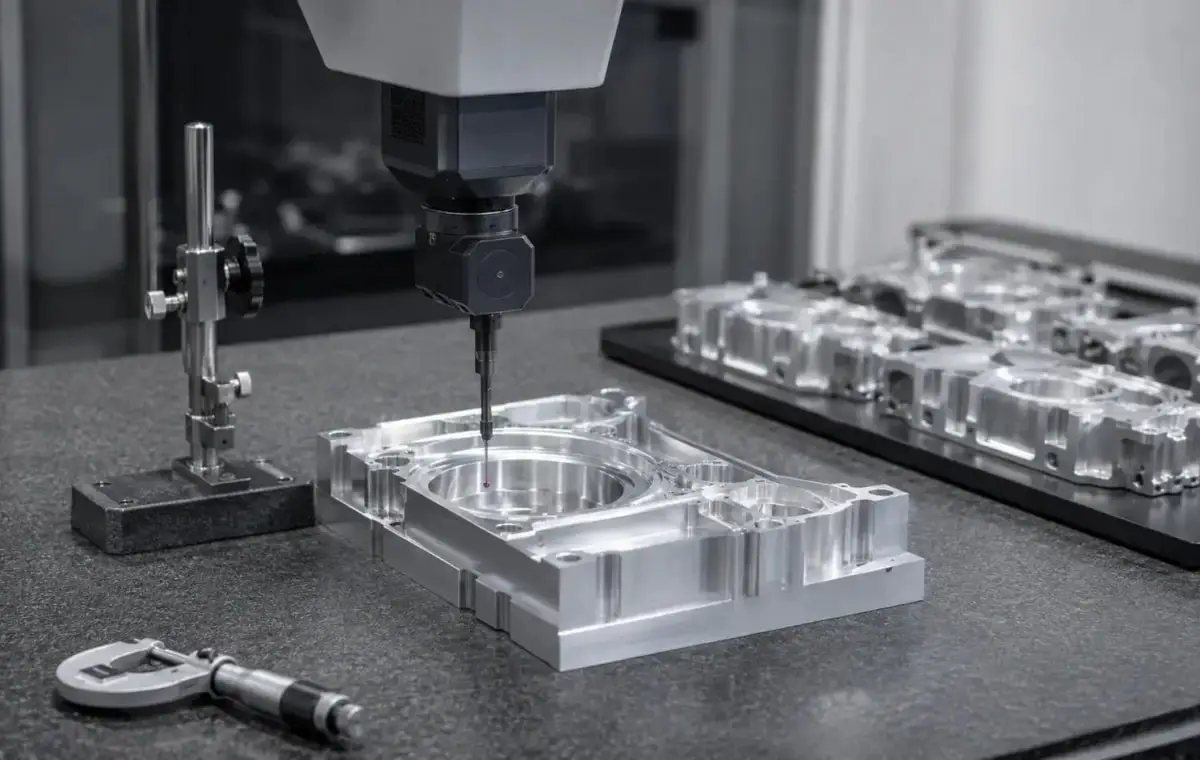
| Roundness | 0.005 mm (Bore) | Inspection | CMM, Bore Gauge, Hardness Tester, Roundness Tester |
| Machined Features | Flange, Bore, Cross Holes, Keyway, Chamfers | Drawing Format | STEP, STP, IGES, DWG, DXF, PDF |
| Size Range | Ø10–Ø300 mm, Length up to 500 mm | Lead Time | 7–15 Days (Prototype), 15–25 Days (Batch) |
| Customization | Material, Hardness, Bore Fit, Flange Size, Coating | Packing | Oil Coated, Individually Wrapped, Carton |
Key Features of Our Hardened Steel Sleeves
Hardening a sleeve is easy; keeping the bore where the drawing put it is the part that takes planning.
Bore Ground After Hardening
The bore is left with grinding allowance, hardened, then ground to final size, so the fit does not change when the sleeve comes out of the furnace.
Concentric Bore and Flange
Bore and flange diameter are machined and ground from the same reference, holding 0.01 mm concentricity so the sleeve seats without loading the joint off-axis.
Cross Holes in the Right Place
Cross holes and keyways are positioned from the flange face, which is the face that locates in the joint, rather than from the bar end.
Hardness Verified, Not Assumed
Each batch is hardness tested after tempering and the result is recorded with the inspection report, so the wear surface can be verified against the drawing.
Need a Hardened Sleeve for a Robotic Joint?
Surface Finishes for Hardened Steel Sleeves
On a hardened sleeve the finish is chosen for wear and corrosion, and any coating is applied after grinding so the bore fit is not disturbed.
| Finish | Main Purpose | Finish | Main Purpose |
|---|---|---|---|
| Anodizing | Corrosion protection and colour coding for part identification | Powder Coating | Protective coating for non-critical covers and guards |
| Bead Blasting | Uniform matte texture before anodizing | Passivation | Removes machining residue before assembly |
| Hard Anodizing | Wear resistance on locating and clamping faces | As Machined | Natural machined surface where no coating is needed |
*Plating and coating add thickness; where the bore is a bearing fit, it is masked or sized after coating.
Put your CNC milling parts into production today
All information and uploads are secure and confidential.
Trusted for Precision CNC Machined Components
Supporting OEM projects with accurate machining, flexible production, and reliable component quality.
Trusted for Precision CNC Milling.
CNC Machining Process for Hardened Steel Sleeves
The sequence is the whole job: machine soft, harden, then finish the surfaces that set the fit.
01. Drawing and Fit Review
Confirm bore diameter, fit class, hardness and the surfaces that must be ground after heat treatment.
02. Soft Machining
Turn the outer profile, flange and bore with grinding allowance, then drill and tap cross holes from the flange reference.
03. Heat Treatment
Harden and temper to the specified range, accepting the small distortion that grinding will remove.
04. Bore and Face Grinding
Grind the bore and flange face to final size and perpendicularity, then deburr the cross holes.
05. Inspection and Packing
Check bore size, roundness, concentricity and hardness, apply corrosion protection and pack individually.
Send the joint drawing with bore, hardness and fit class to receive a machining and heat treatment review.
Hardened Steel Sleeve CNC Machining FAQs
Hardening distorts the bore slightly and changes its size. Grinding after heat treatment removes that distortion and brings the bore to final fit, which is not possible if the bore is finished before the furnace.
45–52 HRC in 4140 covers most joint and pivot sleeves. Higher hardness such as 56–58 HRC in SUS440C is used where abrasive wear or corrosion is present, at the cost of longer grinding time.
Yes. Specify the fit class or the bearing part number, and the bore is machined and ground to that tolerance, with the measurement recorded in the inspection report.
Yes, and they are positioned from the flange face so they stay correct relative to the mounting plane after grinding.
Bores down to about Ø6 mm are practical in hardened steel. Below that, honing or a different process may be needed, and the drawing is reviewed before quoting.
Prototypes are usually 7–15 days including heat treatment, and batches 15–25 days depending on hardness, grinding and inspection requirements.
Other CNC Machined Mechanical Components
Explore additional precision CNC machined components manufactured for OEM applications and customized production needs.
Custom CNC machined aluminum hollow sleeve connectors for robot arm segments and linear modules.
Custom CNC machined aluminium cavity bases for automation and electronic equipment.
Custom CNC machined aluminium motorcycle components, including clamps, covers, mounts and bearing housings.
Custom CNC machined robot end effector flanges for tool mounting and automation.
Custom CNC machined aluminium link brackets for automation linkages and robot assemblies.
Get high‑quality machined parts in as fast as 4 days with our expanded automated CNC milling!