

Home / CNC-Machining / CNC Milling / CNC Machined Aluminium Enclosure Frame
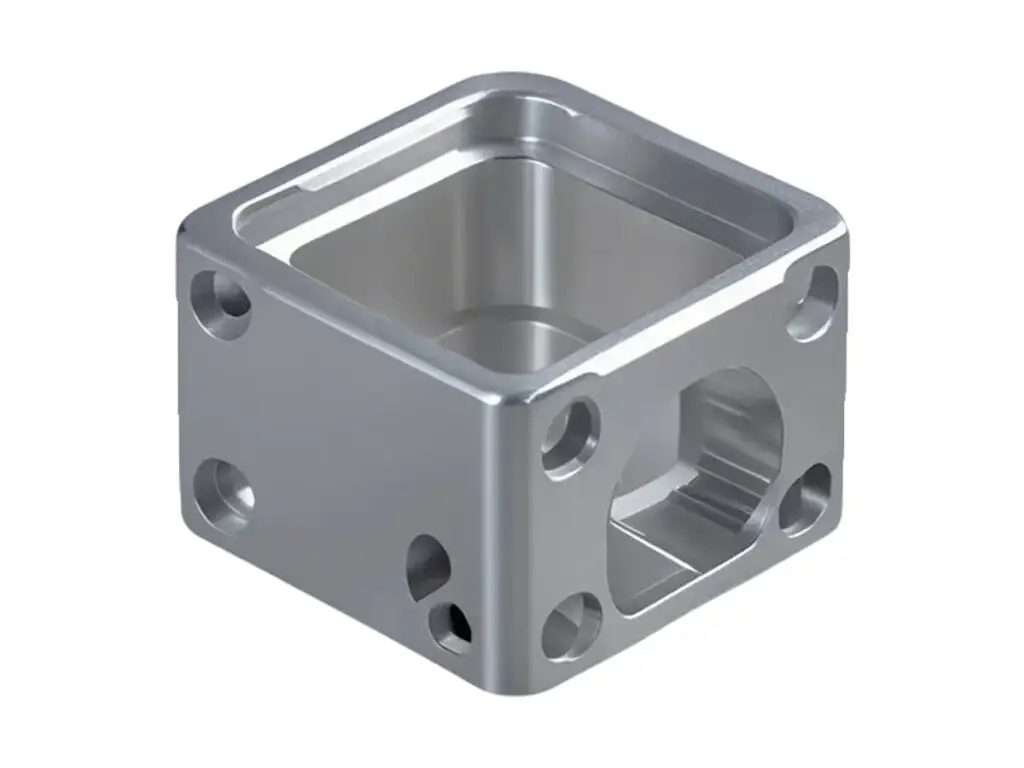
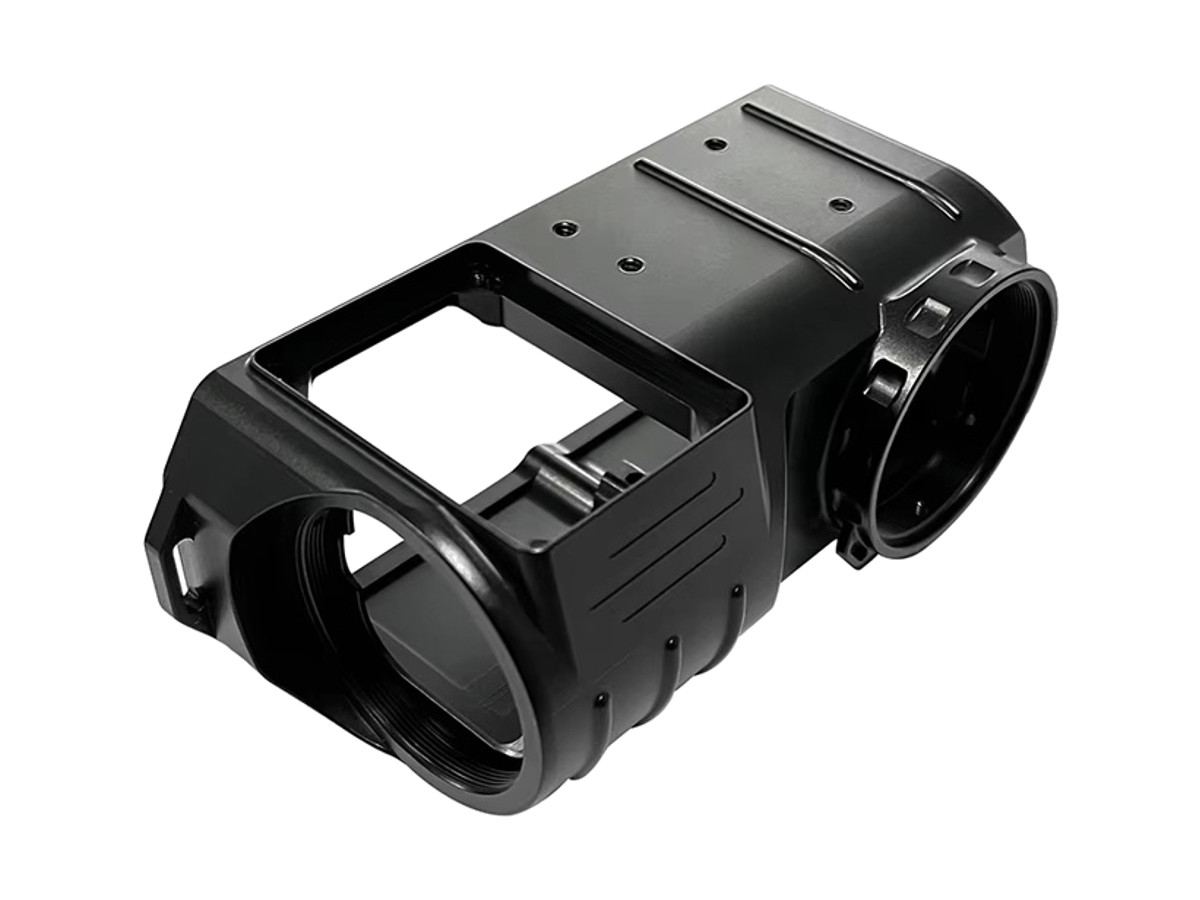
CNC machined 6061-T6 aluminium enclosure frame with a bored Ø30 mm cable port

CNC Machined Aluminium Enclosure Frame

Open enclosure frames cut from 6061-T6 solid in one clamping sequence: 6 mm walls held to ±0.10 mm, a Ø30 H8 port bore positioned to ±0.03 mm, four Ø8 mounting holes and a lid seat flat to 0.02 mm. Corners are radiused R6 outside and R3 inside so the frame anodizes without a heavy edge build.

*Send the lid thickness and gasket type with the drawing. A seat face cut 0.1 mm low will let the gasket relax and the frame will leak at the port, not at the lid.

Aluminium Enclosure Frame Overview

An enclosure frame carries three loads at once: it locates the lid, it holds the port bore concentric with the cable gland, and it sits flat enough on the panel that the gasket compresses evenly. Machining all four walls from a single block keeps those three references tied to one datum instead of to four separate welds or extrusions.

The billet is squared, the pocket is roughed in three depth passes, the port bore is bored rather than interpolated, and the mounting pattern is drilled after the walls are finished so the drill cannot push a thin wall out of square. Every frame is checked on a CMM for bore position, wall thickness and seat flatness before anodizing.

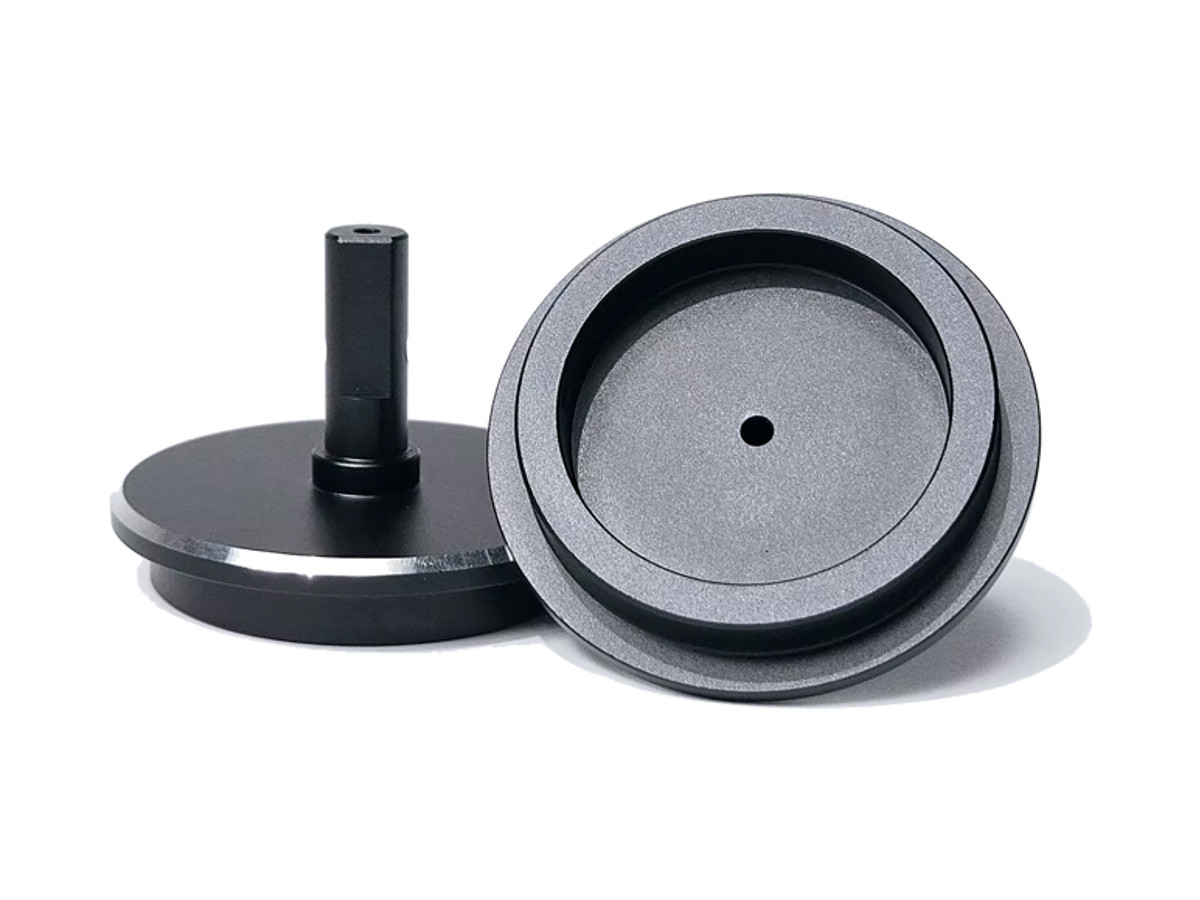
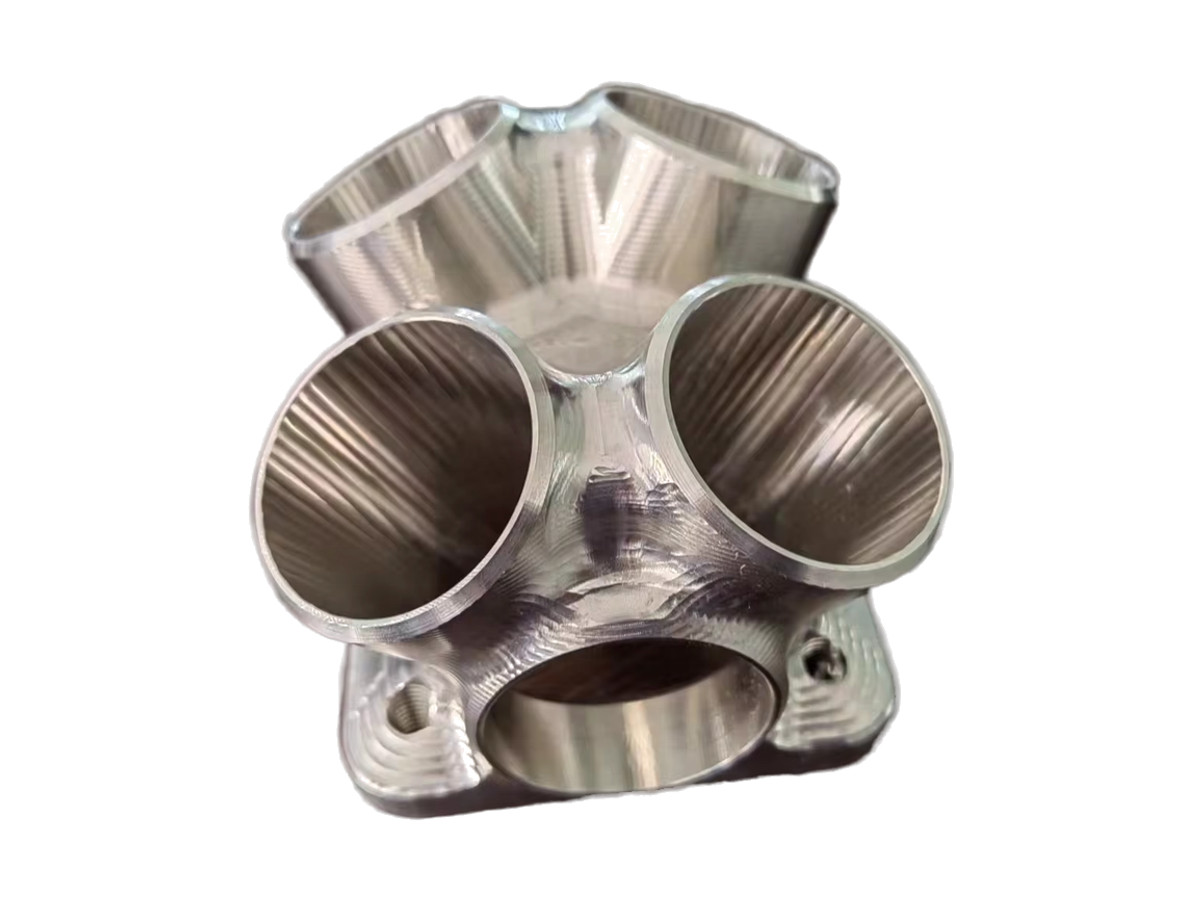
CNC milling of a lightening hole cover plate, a pneumatic manifold block and a sensor enclosure
6061-T6 aluminium flat plate stock for CNC milling

6061-T6 Aluminium

6061-T6 machines to a stable wall at 6 mm, anodizes evenly and keeps an 80 mm frame under 210 g, which matters when the enclosure is mounted on a moving gantry.

7075-T6 aluminium billet block stock for CNC milling

6082-T6 or 5052

6082-T6 is the choice when the frame is welded to a base plate, and 5052 is used for frames that are formed from sheet rather than milled, since it bends without cracking at the anodized corner.

Below a 4 mm wall the frame deflects during the finish pass and the port bore drifts oval; if the design needs a thinner wall, the frame is stress-relieved before the final cut.

Enclosure Frame Specifications

Milling data for open frames, with the wall, bore and seat values that decide whether the lid seals and the gland lines up.

SpecificationMachining DataSpecificationMachining Data
ProductOpen Enclosure FrameProcess3-Axis CNC Milling, Boring, Tapping
Material6061-T6 AluminiumEnvelope80 × 80 × 60 mm
Wall6 mm ±0.10 mmCorner RadiiR6 Outside, R3 Inside
Port BoreØ30 H8, Position ±0.03 mmMounting Holes4 × Ø8 Through, ±0.05 mm
Seat FaceFlatness 0.02 mm, Ra 1.6Squareness0.05 mm Over 80 mm
ThreadsM6 × 1, 6H, Depth 12 mmInternal PocketDepth 54 mm ±0.05 mm
Edge Break0.3 mm × 45° All Machined EdgesWeightApprox. 205 g
InspectionCMM First Article, Bore GaugeBatch Size10 to 2,000 Pieces
FinishClear or Black AnodizingDrawing FormatSTEP, DXF, PDF

Why These Frames Stay Square

One billet, one datum, and a boring pass instead of an interpolated circle.

Walls and Bores From One Set-up

The block is held once while the pocket, the port bore and the mounting pattern are cut, so the bore axis stays perpendicular to the seat face within 0.03 mm and the lid seats without shimming.

Bored Port, Not Interpolated

The Ø30 H8 port is finished with a boring head in two passes rather than a helical interpolation, which holds roundness to 0.01 mm and gives the gland O-ring a true sealing surface.

Seat Face Cut Last

The lid seat is faced after the walls are relieved, removing the 0.05 mm bow that a deep pocket leaves behind, and it is checked on a surface plate before the frame leaves the machine.

Corners Radiused for Coating

R6 outside and R3 inside radii let the anodizing current reach the corners, so the coating builds evenly instead of burning thin on a sharp edge and chalking in the pocket.

Need a frame that seals on the first build?

Surface Finishes for Enclosure Frames

The outside is seen, the inside is shielded, and the seat is masked; each face follows its own rule.

FinishMain PurposeFinishMain Purpose
Clear AnodizingGeneral protection, machined faces visibleBlack AnodizingOptical and camera housings
Hard AnodizingWear face under a sliding lidBead BlastingEven matte before anodizing
Chromate ConversionConductive frame for earthingLaser MarkingPart number and port labels
Masked MachiningBare metal on earth pads and gasket seatsPassivationOnly for stainless variants
Powder CoatingOutdoor units, thicker build than anodizingSilk ScreenFront panel legends
Ultrasonic CleanChip and coolant removal before packingSealed BagFrames arrive ready to assemble

*Anodizing adds 10 to 15 µm per face. If the seat and the earth pads are not masked, the lid sits high and the frame loses conductivity to the panel.

logo

Put your CNC milling parts into production today

All information and uploads are secure and confidential.

Trusted for Precision CNC Machined Components

Supporting OEM projects with accurate machining, flexible production, and reliable component quality.

Mechanical Equipment Customer
The frame dropped onto the panel and the gland lined up with the port bore without a shim.

Industrial Components Buyer
Wall thickness measured the same on all four sides, which is unusual on a frame this size.

Equipment Manufacturer
The lid seated on the gasket without rocking, and the leak test passed at the first attempt.

OEM Customer
OEM Customer
Two hundred frames in and the port bore is still concentric with the gland thread.

Automation Industry Customer
The customized machining solution provided the dimensional accuracy required for our rotating equipment components.
Trusted for Precision CNC Milling.

How We Machine an Enclosure Frame

The frame is milled from one billet so the four mounting bores and the port bore share a single datum, and the lid never fights the walls.

01. Drawing and Gasket Review

Check the lid thickness, the gasket groove and the gland thread, then set the seat depth so the gasket compresses by 25 percent at the specified torque.

02. Square the Billet

Face all six sides on a vice with soft jaws, leaving 0.4 mm on the seat face and marking the datum corner that every later operation references.

03. Rough and Finish the Pocket

Rough with a 12 mm end mill at 0.6 mm step-down, then finish the walls at 0.25 mm step-over to control chatter on the 6 mm section.

04. Bore the Port and Drill the Pattern

Bore the Ø30 port in two passes, then drill and tap the M6 pattern in the same clamping so the gland stays concentric with the bore.

05. Deburr, Mask and Anodize

Break every edge by hand, mask the seat face and earth pads, anodize, then re-check the seat flatness after coating.

Send the STEP file and the gland thread, and we will quote a frame with the port bored to your O-ring and the seat depth set from your gasket.

Enclosure Frame FAQs

Yes. The pocket is rough-cycled before finishing and the walls are finished with a light radial cut, which keeps the wall within ±0.10 mm from top to bottom instead of tapering at the floor.

It is bored to whatever the gland drawing calls for between Ø12 and Ø45. The H8 tolerance and the 0.03 mm position are held on the CMM, and the bore is deburred without a chamfer that would cut the O-ring.

Yes. The inside and the seat are masked with tape and plugs, so the shielding face stays conductive and the gasket still sees bare, flat aluminium.

The coating adds about 0.01 mm per face and follows the profile, so the seat stays within 0.03 mm. If the drawing calls for 0.02 mm after coating, the seat is lapped after anodizing.

Yes, and it is the better way to buy it. The lid is cut from the same billet run and match-marked, so the screw pattern and the seat land in the same position on both halves.

Ten pieces for a new drawing, with the first article inspected and photographed before the rest of the batch runs.

Other CNC Machined Mechanical Components

Explore additional precision CNC machined components manufactured for OEM applications and customized production needs.

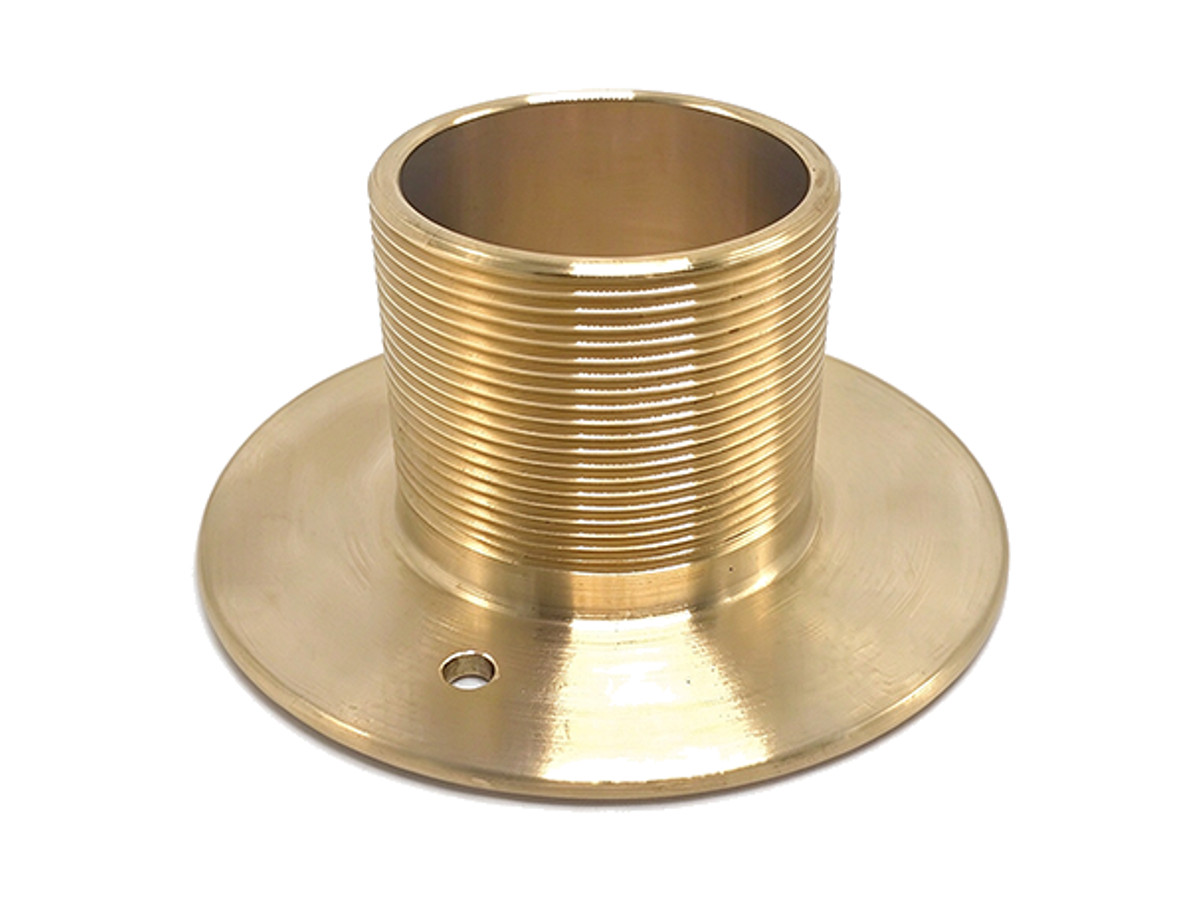
CNC turned C36000 brass threaded flange bushings with a rolled external thread, a H7 bore and a flange face square to the thread.

CNC machined 6061-T6 aluminium sensor enclosures with 3 mm walls, a H7 lens bore coaxial to the mount, an IP67 gasket land and.

CNC turned 6061-T6 aluminium valve discs with a lapped seat face, a guided stem and a chamfered edge, held to 0.01 mm and.

Five-axis CNC machined stainless steel spider hubs with four curved lobes, compound-angle bores and a central spline, held to.

CNC machined 6061-T6 aluminium gearbox end housings with a bearing bore to H7, a lapped seal face and a dowelled joint face,.

Get high‑quality machined parts in as fast as 4 days with our expanded automated CNC milling!

Scroll to Top