
Automotive precision machining helps produce custom engine brackets with complex mounting features and consistent geometry. This article explores how vibration, manufacturing methods, and DFM considerations influence engine bracket production and when CNC machining is the right choice.
Why Is Automotive Precision Machining Important for Engine Bracket Performance?
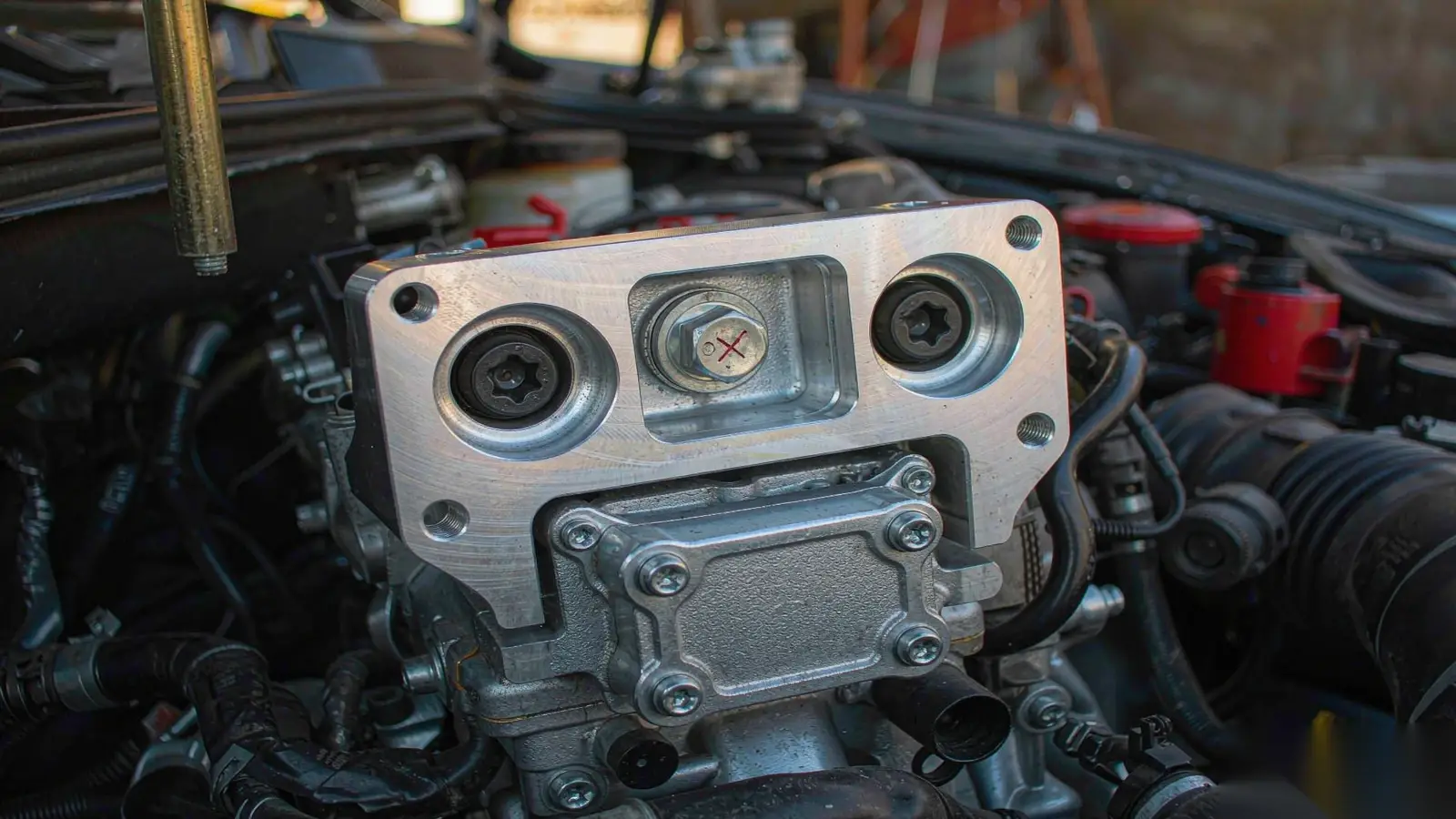
Engine brackets play a vital role in supporting and positioning the powertrain while connecting it to the vehicle’s mounting system. They help distribute engine weight, maintain stable positioning, and provide secure connections between the engine and surrounding structures.
During vehicle operation, these components must also withstand changing forces caused by acceleration, braking, and engine movement. Even small inconsistencies in mounting geometry can affect how the bracket fits with adjacent components, potentially creating assembly difficulties or unwanted stress.
This is where automotive precision machining becomes essential. By accurately producing mounting features and complex bracket geometries, CNC machining helps ensure proper component fit, consistent manufacturing quality, and reliable performance under the intended operating conditions.
How Do Vibration and Repeated Loads Affect CNC Machined Engine Brackets?
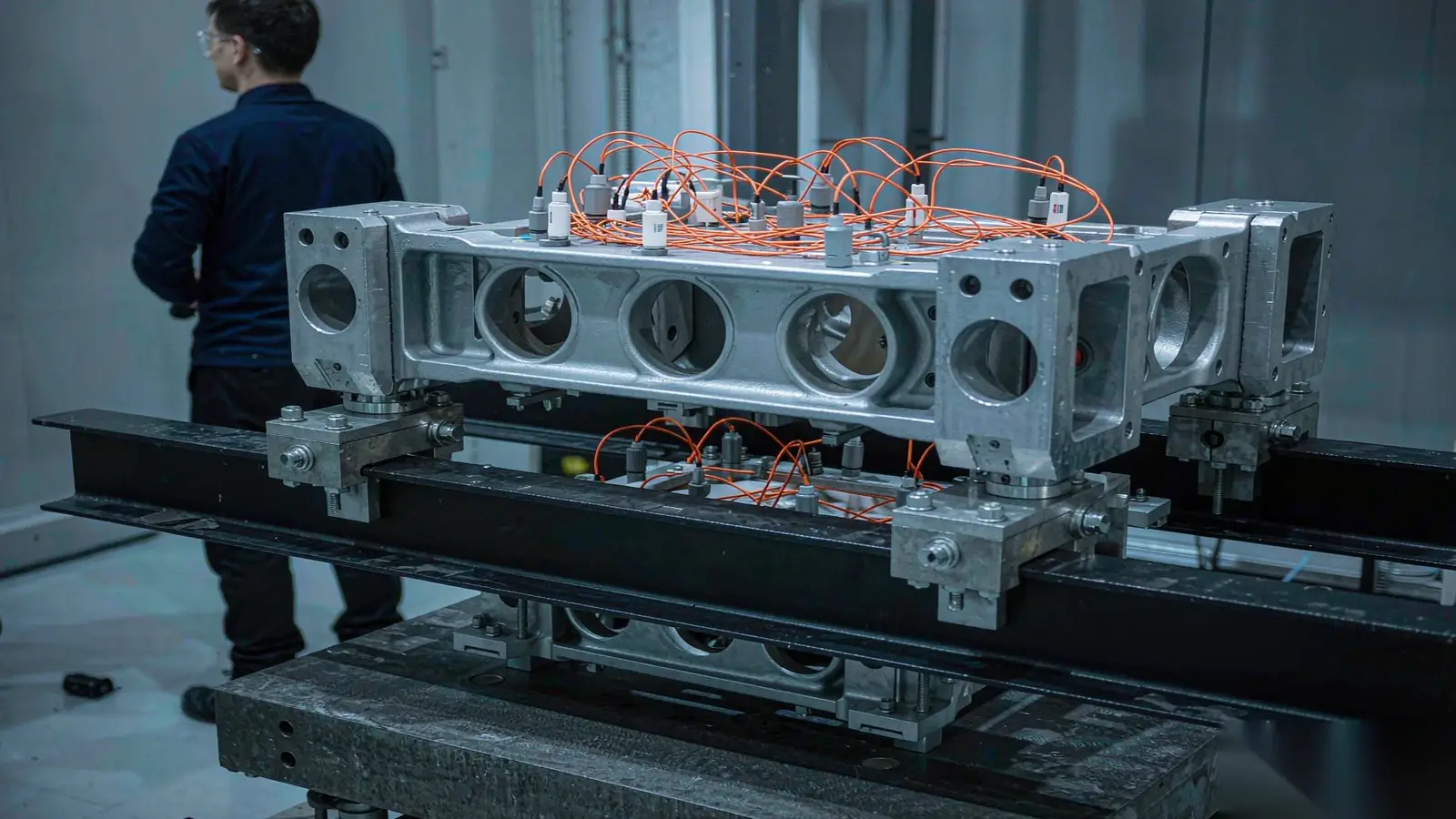
Engine brackets face more than the weight of the powertrain. Engine vibration, torque fluctuations, and road impacts create fluctuating stresses that can affect durability over time. Understanding how these forces act on mounting components is essential to preventing premature fatigue failure.
1.Engine Vibration and Dynamic Loading
Every change in engine speed or torque alters the forces transmitted through the mounting system. Acceleration and deceleration produce torque reactions, while uneven road surfaces add impacts and vibration. As a result, engine brackets experience varying loads rather than a constant force.
A bracket that performs well under a static load may respond differently to these repeated forces, making dynamic loading an important factor in evaluating its structural performance.
2.Fatigue Risks Around Mounting Holes and Structural Transitions
Fatigue cracks often begin where stresses become concentrated, such as around mounting holes, sharp internal corners, or abrupt changes in section thickness. Repeated loading can gradually initiate and propagate cracks, even when individual loads remain below the material's static strength limit.
The likelihood of fatigue damage depends on the loading history, material properties, and local geometry. Recognizing these vulnerable areas during development can help prevent costly structural problems later.
3.How Bracket Stiffness Influences Vibration
Stiffness determines how much a bracket deforms under load and influences its natural frequencies. If the structure is too flexible, excessive movement may affect connected components. Increasing stiffness, however, can also shift vibration behavior and change how forces pass through the mounting system.
Effective bracket design therefore calls for a balance between rigidity, weight, and vibration response. Precision CNC machining makes it possible to manufacture the resulting complex geometries, with structural analysis and testing used to verify their suitability for the intended application.
CNC Machining vs. Casting and Stamping: Which Is Better for Engine Brackets?
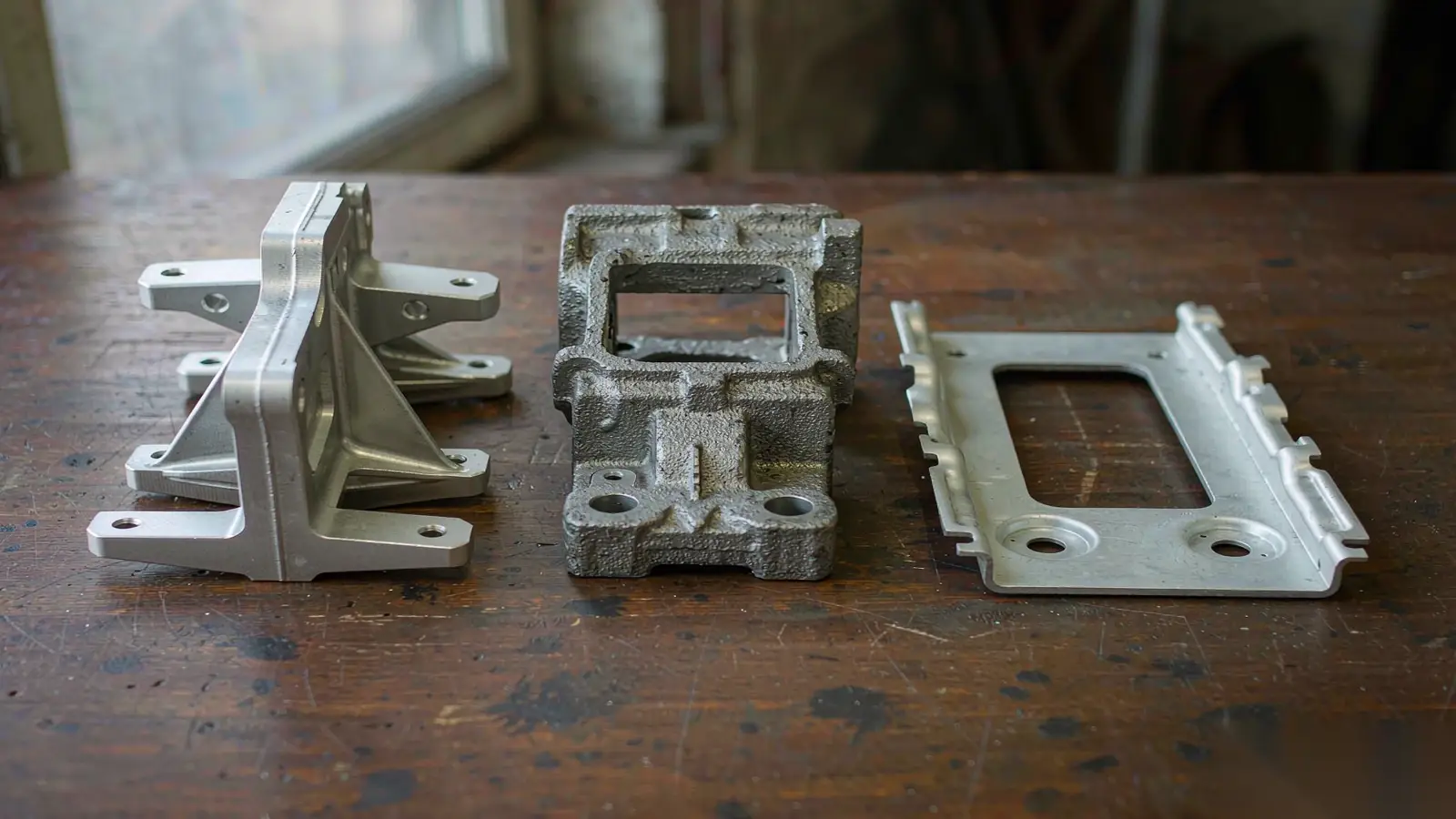
Engine brackets can be manufactured through CNC machining, casting, or metal stamping, depending on their geometry, material, and production volume. While each method can produce reliable components when properly designed, the differences become significant in tooling investment, design flexibility, and manufacturing efficiency.
| Manufacturing Process | Suitable Applications | Key Considerations |
| CNC Machining | Custom brackets, prototypes, and small-batch production | Flexible design changes, no dedicated forming molds, but greater material removal |
| Casting + CNC Machining | Complex integrated brackets and repeat production | Supports near-net-shape manufacturing but requires tooling and secondary machining |
| Metal Stamping | Sheet-metal brackets produced in high volumes | Fast production after tooling setup, with limitations on geometry and material thickness |
1.When CNC Machining Makes More Sense
For prototypes and custom engine brackets, CNC machining offers flexibility that tooling-dependent processes cannot always match. Parts can be machined directly from aluminum or steel stock, allowing engineers to modify mounting configurations, pockets, or overall geometry without developing a new mold.
This makes engine bracket CNC machining particularly practical for design validation, specialized vehicle applications, and small production runs. However, extensive material removal or long machining cycles can make it less economical as production volumes increase.
2.When Casting or Stamping Is More Practical
Casting is often preferred for brackets with complex integrated shapes produced in larger quantities. It forms much of the required geometry before selected mounting surfaces and connection features undergo secondary CNC machining.
Stamping takes a different approach, forming brackets from sheet metal using dedicated dies. Once tooling is established, it can produce large quantities efficiently, especially for relatively simple brackets with bends and formed features.
Neither process is universally more economical. A CNC-machined bracket may cost more per unit but avoid substantial upfront tooling expenses, while casting or stamping can become more cost-effective when production demand justifies the initial investment.
Ultimately, manufacturers should compare total project costs rather than unit prices alone, accounting for tooling, production quantity, design changes, material utilization, and lead time.
How Does DFM Improve CNC Machined Engine Bracket Design?
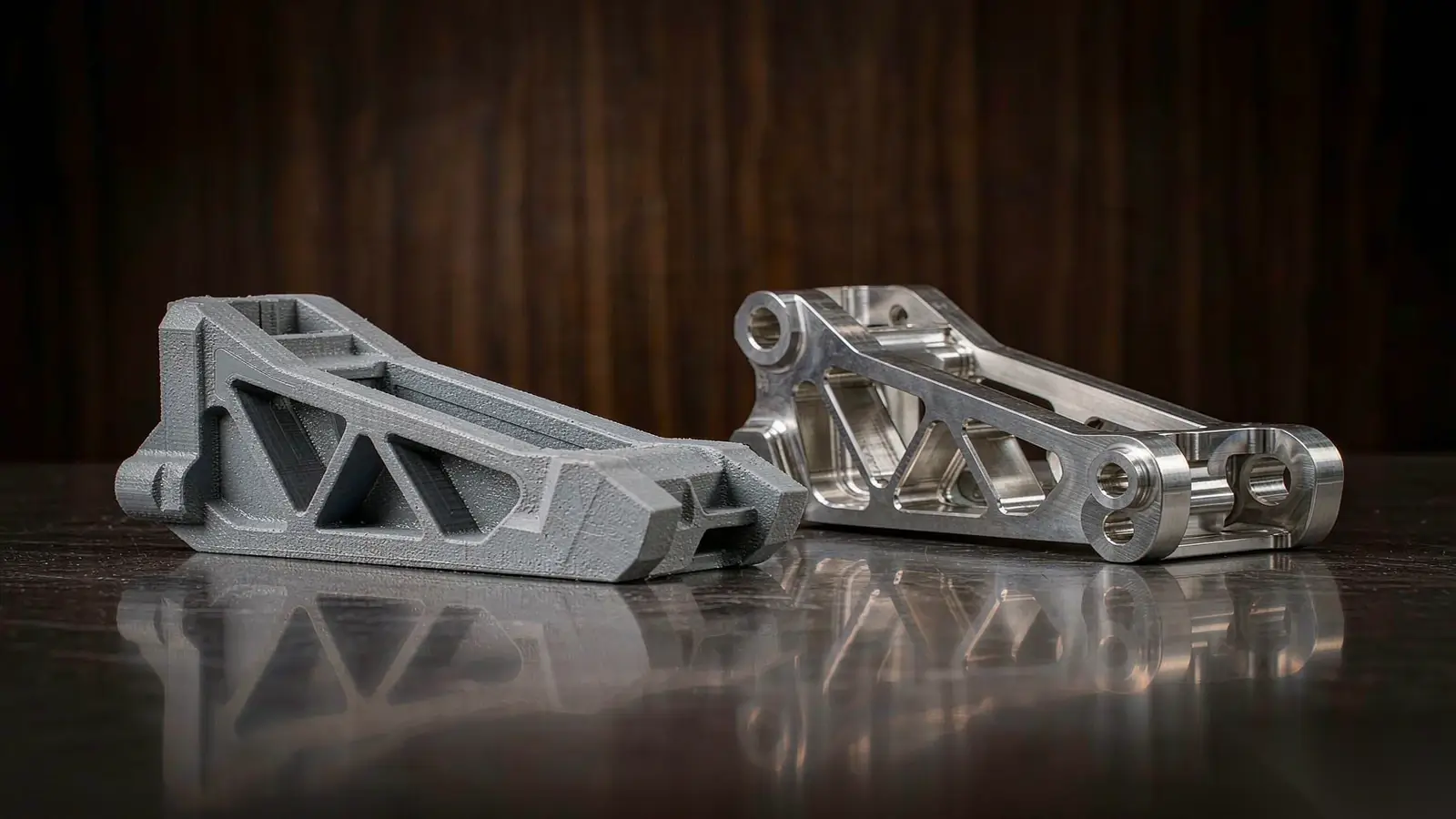
A well-designed engine bracket must be strong enough for its intended application and practical to manufacture. Design for Manufacturability (DFM) brings these considerations together by examining how structural features, material distribution, and tool accessibility affect CNC machining. Making adjustments before production can help avoid complicated setups, excessive material removal, and unnecessary costs.
1.Reinforcing Ribs and Weight-Reducing Pockets
Reinforcing ribs add stiffness where the bracket needs support, while machined pockets reduce weight by removing material from less critical areas. Both features are useful in lightweight engine bracket designs, but their placement and geometry can make a considerable difference during machining.
Deep pockets, for example, may require long-reach cutting tools, increasing machining time and the risk of tool deflection. Closely spaced ribs can also restrict cutter access. Considering these details early allows engineers to achieve the intended structural design without making the part unnecessarily difficult to machine.
2.Corner Radii and Structural Transitions
Small internal corner radii can complicate CNC milling, especially in deep pockets or narrow features. Since milling cutters have a circular profile, sharp internal corners cannot be produced directly using conventional end milling.
Where space and assembly requirements permit, larger corner radii allow more practical cutter sizes and smoother toolpaths. Gradual transitions between sections can also reduce stress concentrations, offering benefits beyond easier machining.
3.Wall Thickness and Material Removal
Machining thin-walled brackets requires careful attention to how material is removed. As surrounding stock is cut away, slender sections may deflect under cutting forces, while the release of residual stress can cause the finished part to distort.
For aluminum engine brackets with extensive pockets or uneven sections, maintaining sufficient wall support and avoiding abrupt changes in thickness can make machining more predictable. The goal is to remove unnecessary weight without compromising the bracket's intended function or making the remaining geometry difficult to manufacture.
4.Tool Accessibility and Machining Setup
Even a relatively simple bracket can become expensive to manufacture if its features are difficult to reach. Deep slots, angled surfaces, and obstructed machining areas may call for additional setups, specialized tools, or more complex toolpaths.
Reviewing the design with a CNC manufacturer before production can reveal opportunities to improve cutter clearance, simplify noncritical details, or reduce repositioning. These changes are particularly valuable for engine bracket CNC machining, where custom geometries and smaller production runs make efficient process planning important.
Good DFM preserves the features that matter to the bracket's performance while making the overall design more straightforward to manufacture.
When Should Automotive Manufacturers Choose Custom CNC Machined Engine Brackets?
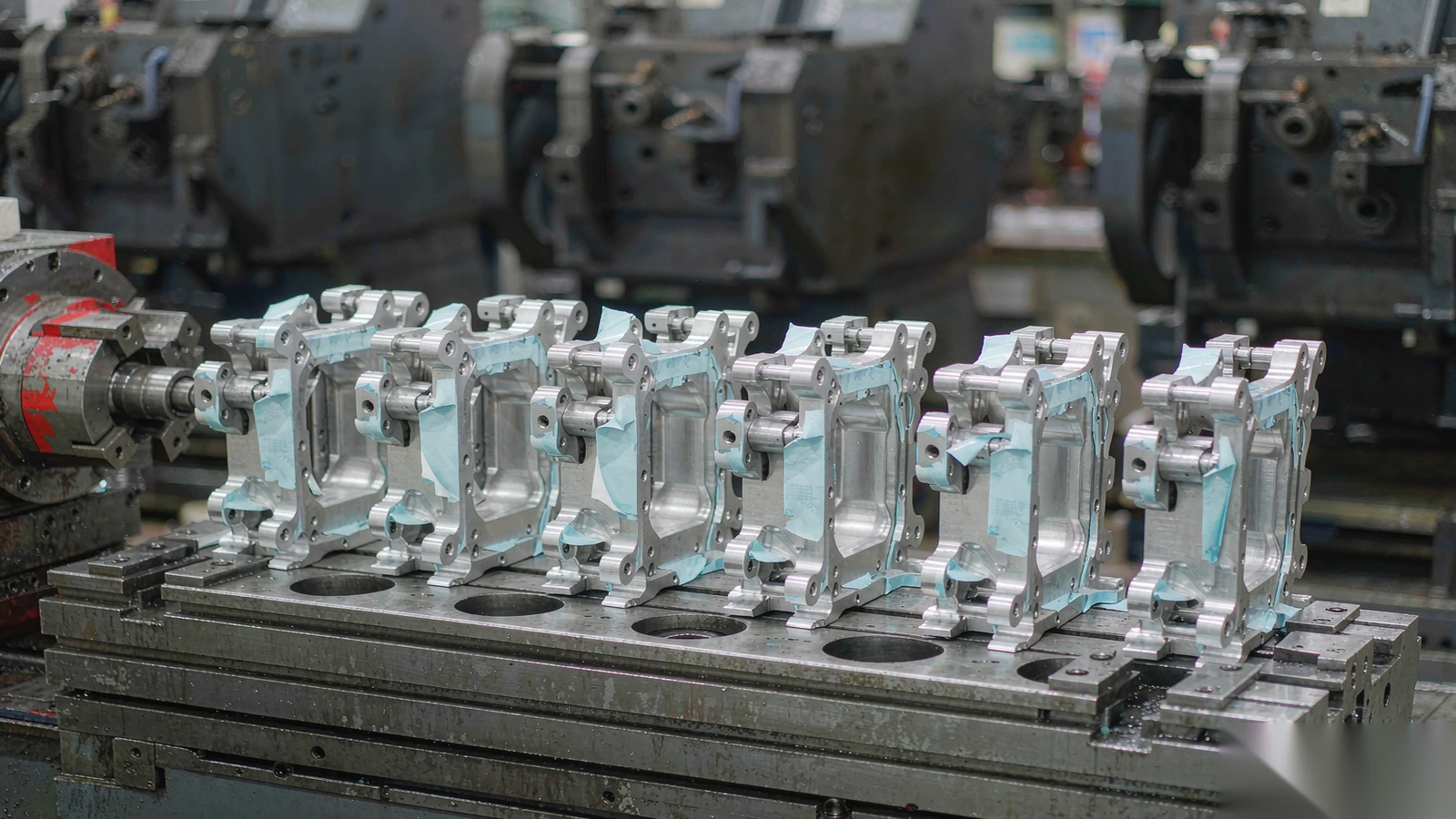
Custom engine brackets are often needed when standard components cannot accommodate a vehicle's mounting layout, available space, or specific engineering requirements. CNC machining is particularly suited to projects involving new designs, specialized applications, or limited production quantities.
1.Prototype Development and Design Validation
Engine bracket designs rarely remain unchanged throughout vehicle development. Early prototypes may reveal interference with surrounding components, insufficient clearance, or mounting arrangements that need adjustment.
Machining brackets directly from CAD models allows engineers to evaluate physical fit and assembly before committing to a final design. Revised prototypes can then be produced as the project progresses, supporting installation trials and functional testing.
2.Specialized Vehicle and Custom Powertrain Applications
Motorsport vehicles, specialty vehicles, and custom powertrain installations often have mounting requirements that standard brackets cannot meet. An engine swap, for example, may involve different mounting locations, restricted clearance, or an unconventional connection to the chassis.
In such cases, custom CNC machined engine brackets can be produced with mounting interfaces and profiles tailored to the installation. Their suitability for the expected loads and operating conditions should be confirmed through appropriate engineering validation.
3.Small and Medium Batch Production
For specialty vehicle manufacturers and equipment builders, demand may range from a few prototype units to recurring orders of several hundred parts. These quantities do not always justify investing in dedicated casting or stamping tooling.
CNC machining offers a practical way to produce multiple bracket configurations from customer drawings, particularly when production volumes fluctuate or occasional design updates are expected.
At SinoRise, we provide automotive CNC machining services for custom engine brackets and mounting components, supporting prototypes and small- to medium-batch orders. Our team reviews drawings, part geometry, and production requirements to recommend a suitable machining approach.
Frequently Asked Questions About CNC Machined Engine Brackets
1. What materials are commonly used for CNC machined engine brackets?
Aluminum alloys such as 6061 and 7075 are often considered for lightweight brackets, while steel may be preferred where higher stiffness or specific load requirements are important. Material selection depends on the bracket's design, operating conditions, and performance requirements.
2. Can CNC machining produce engine brackets with multiple mounting surfaces?
Yes. CNC milling can produce brackets with multiple mounting faces, angled features, threaded holes, and complex profiles. Depending on the geometry, multi-axis machining or additional setups may be required to access these features.
3. Can existing engine bracket designs be modified for CNC machining?
In many cases, yes. Engineers can review existing CAD models to identify features that may be difficult or costly to machine. Adjustments to pocket depth, corner radii, or tool access can improve manufacturability while preserving the bracket's essential functions.
4. What factors affect the cost of custom CNC machined engine brackets?
Machining costs depend on material, part size, geometric complexity, machining time, order quantity, and finishing requirements. Features requiring multiple setups or specialized tooling can increase costs, making an early manufacturability review valuable.
Conclusion
From early design development to final production, engine brackets require careful consideration of their intended application and manufacturing needs. Choosing a suitable machining approach can help manufacturers turn complex designs into practical, production-ready components.
At SinoRise, we work with automotive manufacturers and equipment builders to produce custom CNC machined engine brackets and mounting parts, supporting prototypes and small- to medium-batch production.Share your drawings with our team to explore a suitable manufacturing solution.