
This guide compares aluminum and steel from the perspective of CNC manufacturing and explains how to select the right material for different automotive components.
Quick Answer
Aluminum is generally preferred for automotive machined parts requiring low weight, good corrosion resistance, and efficient CNC machining. Steel is often better for parts requiring greater stiffness, wear resistance, and high load capacity. The right choice depends on component function, operating conditions, design requirements, and total manufacturing cost.
1. Why Material Selection Matters in Automotive Parts Machining
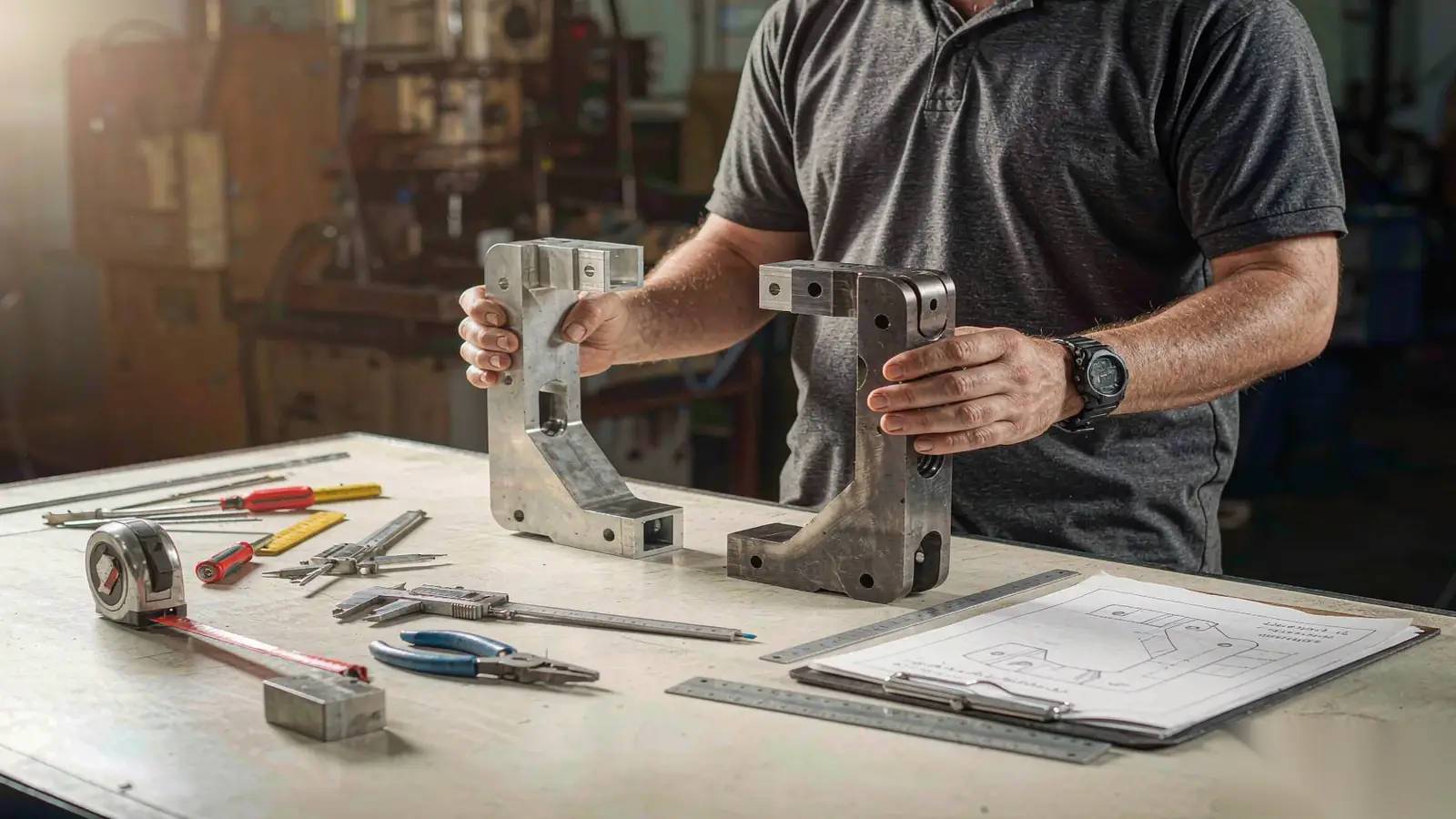
Material selection plays an important role in automotive parts machining because different components face different demands. A transmission shaft must handle repeated torque and mechanical stress, while an electronic housing may need to be lightweight, dimensionally stable, and capable of managing heat.
Aluminum and steel each offer advantages, but their suitability depends on how a part is designed and used. Choosing the wrong material can lead to unnecessary weight, higher production costs, or performance issues, even when the part meets its dimensional requirements.
For automotive manufacturers, the goal is not simply to choose a stronger or lighter metal, but to find the right balance between component performance, manufacturability, and cost.
2. Aluminum vs Steel for Automotive Parts: Key Differences
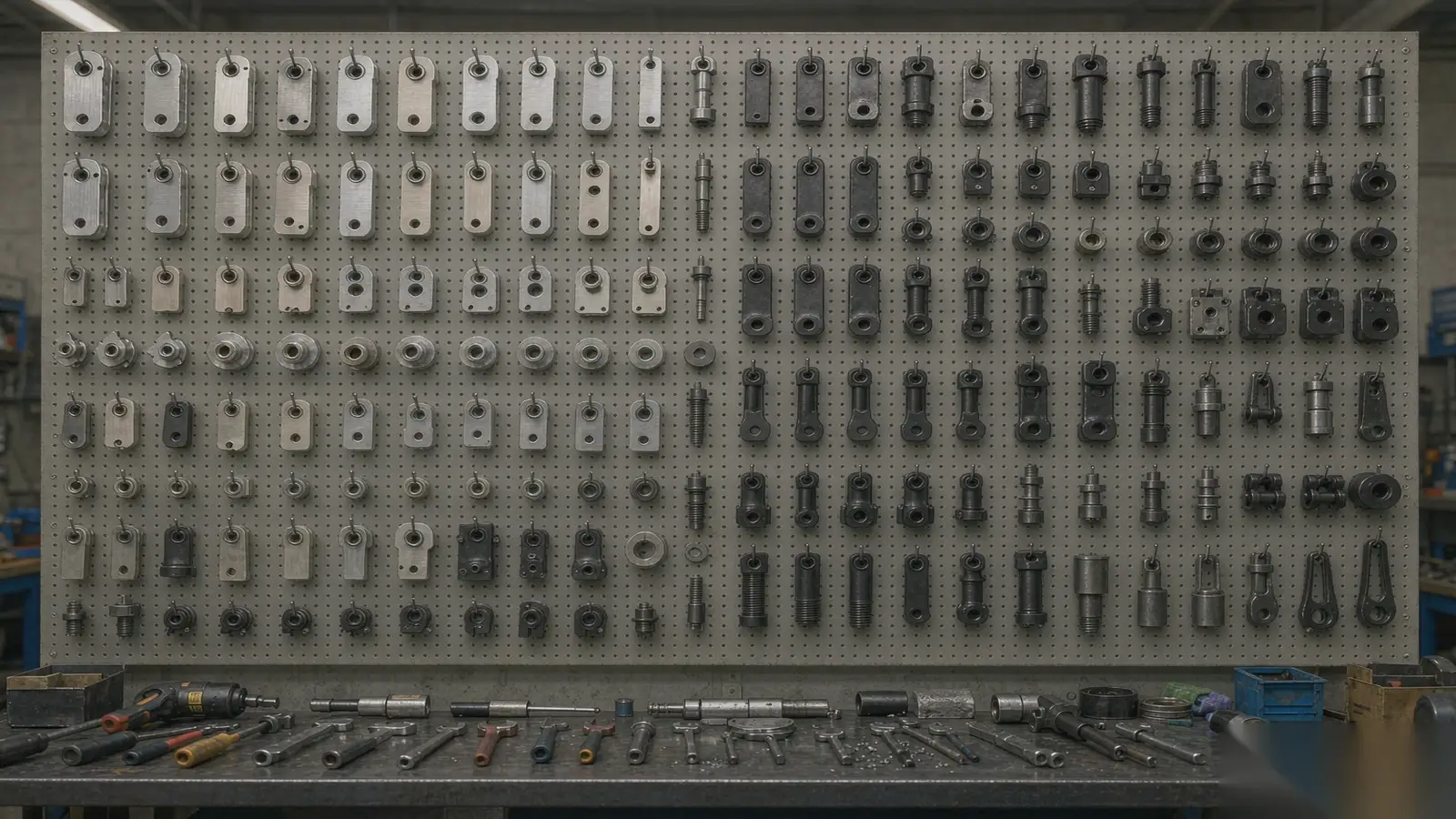
The most useful way to compare aluminum and steel is to examine how their properties affect real automotive applications.
| Comparison Factor | Aluminum Alloys | Steel | Impact on Automotive Parts |
| Density | Approximately 2.7–2.8 g/cm³ | Approximately 7.8–8.0 g/cm³ | Aluminum reduces weight at the same component volume |
| Strength | Varies by alloy and temper | Wide range, including high-strength grades | Steel offers extensive options for heavily loaded parts |
| Stiffness | Approximately 69–72 GPa | Approximately 200–210 GPa | Steel generally resists elastic deformation more effectively |
| Machinability | Generally good, particularly 6061 | Varies considerably by grade and hardness | Influences CNC cycle time and tooling |
| Corrosion resistance | Generally good, but alloy-dependent | Carbon steel often needs protection; stainless steel performs differently | Determines environmental suitability |
| Wear resistance | Often requires surface treatment for demanding contact conditions | Many grades can be hardened for wear resistance | Important for shafts, gears, and contact surfaces |
| Thermal conductivity | Generally higher in common machining alloys | Generally lower in common carbon and alloy steels | Relevant to heat-dissipating housings |
| Material cost | Often higher per kilogram | Many carbon steels have lower raw material costs | Finished-part cost depends on more than material price |
| Typical components | Brackets, housings, electronic enclosures | Shafts, gears, pins, drivetrain components | Material selection follows component function |
Note: These are general engineering comparisons, not guaranteed properties for every grade. Actual values depend on the selected alloy, temper, heat treatment, and product form.
3. When Should You Choose Aluminum for Automotive Machined Parts?
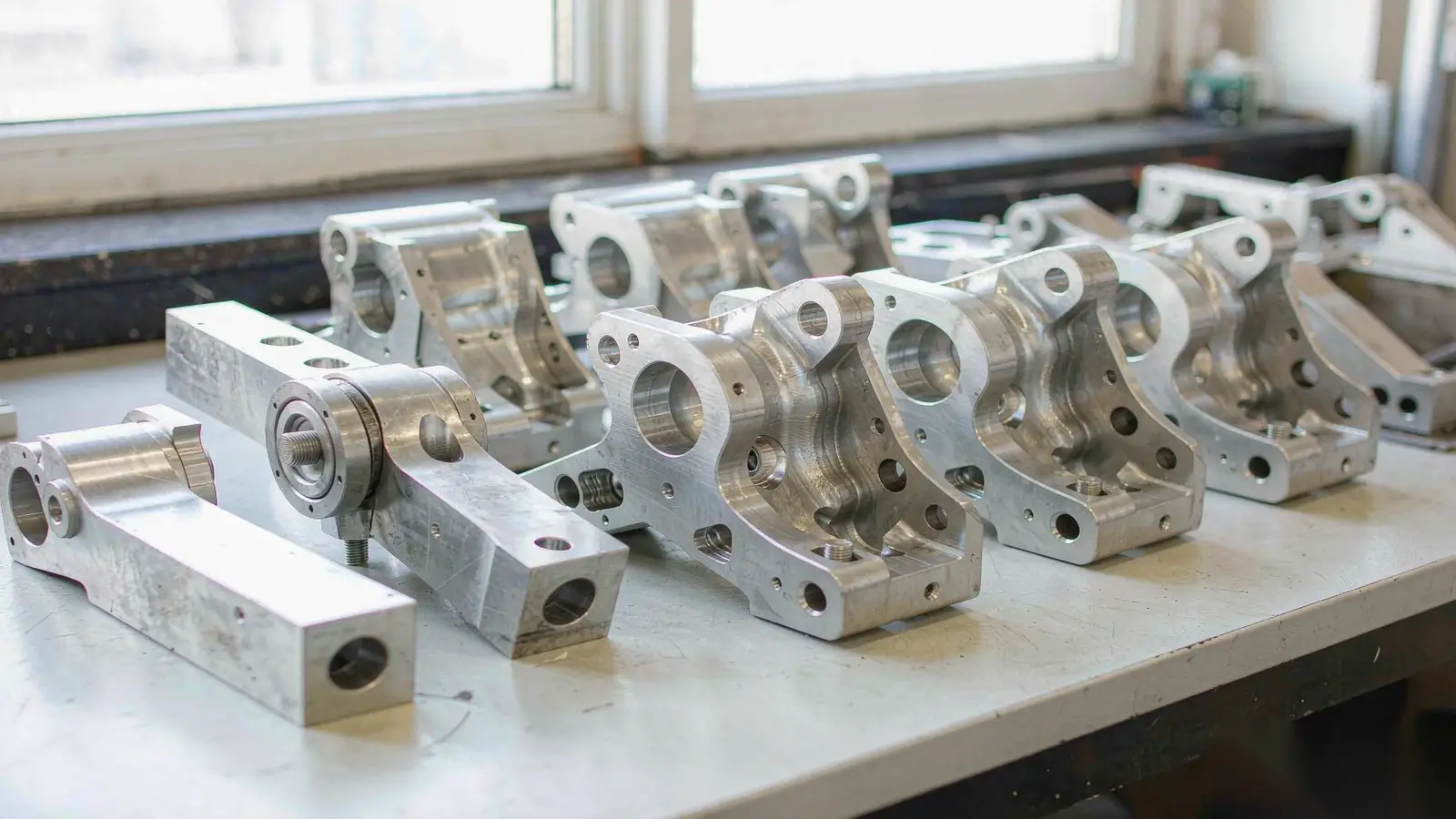
Aluminum is often chosen for automotive CNC parts where reducing weight, improving machining efficiency, or managing heat is important. Its suitability depends on the component's mechanical requirements and operating conditions.
3.1 When Weight Reduction Is a Priority
Aluminum's low density makes it attractive for automotive brackets, mounting plates, housings, and other components where weight reduction matters. This is particularly useful in electric vehicles, where lighter components can help offset battery weight without compromising the intended function.
However, reducing weight is not as simple as replacing steel with aluminum. Because aluminum is less stiff, some parts may need thicker walls or additional reinforcement to maintain structural performance. The actual weight savings depend on the final component design.
3.2 When CNC Machining Efficiency Matters
Common aluminum alloys such as 6061 are generally easier to machine than many steels, allowing higher cutting speeds and lower cutting forces under suitable conditions. This makes aluminum useful for CNC machined automotive parts with complex pockets, drilled holes, and mounting features, such as housings and brackets.
Machining challenges still exist, particularly with thin-walled components or parts requiring extensive material removal. Appropriate clamping, tooling, and machining strategies help control deformation and maintain dimensional accuracy.
3.3 When Corrosion Resistance and Thermal Performance Matter
Aluminum offers good corrosion resistance in many environments thanks to its natural oxide layer. It is commonly considered for automotive housings and mounting components exposed to moisture, although harsh conditions or contact with dissimilar metals may require additional surface protection.
Its relatively high thermal conductivity also makes it suitable for electronic control housings, power electronics enclosures, and motor-related components where heat dissipation is important. Anodizing or other surface treatments can provide additional protection when required.
3.4 Common Aluminum Grades for Automotive CNC Machining
Different aluminum grades offer distinct combinations of strength, machinability, and corrosion resistance.
| Aluminum Grade | Key Characteristics | Typical Automotive Applications |
| 6061-T6 | Good machinability, balanced strength, corrosion resistance | Brackets, housings, mounting plates |
| 6082-T6 | Good structural strength and machinability | Structural supports, mounting components |
| 7075-T6 | Higher strength, with greater corrosion considerations | Selected high-load precision parts |
6061-T6 is a common choice for general automotive machined parts, while 7075-T6 may be considered when higher strength is required. Final selection should account for operating loads, corrosion exposure, cost, and material temper.
4. When Should You Choose Steel for Automotive Machined Parts?
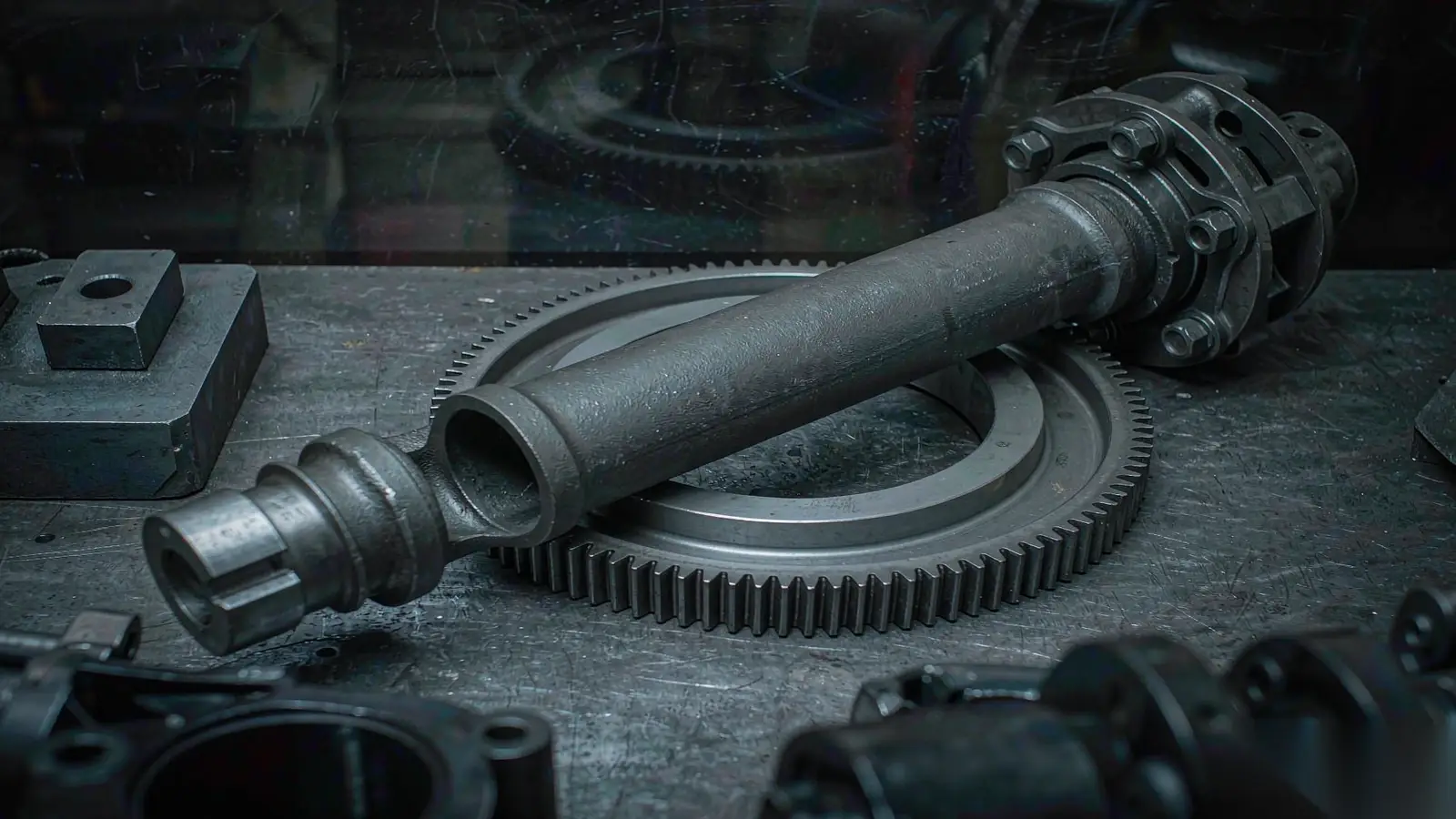
For automotive components exposed to heavy loads, repeated stress, or mechanical wear, steel is often a more suitable choice than aluminum. Its stiffness and range of available grades make it particularly valuable in applications where durability and dimensional stability are critical.
4.1 When Strength and Stiffness Come First
Steel has an elastic modulus roughly three times that of aluminum, allowing parts of similar geometry to resist deformation more effectively. This advantage matters in shafts, structural pins, and load-bearing mounts, where excessive deflection can affect alignment or performance.
A steel component may also meet stiffness requirements within a smaller space, avoiding the thicker sections or reinforcement that an aluminum design might need.
4.2 When Wear and Fatigue Resistance Matter
Shafts, gears, and other moving automotive parts experience repeated loads and, in some cases, continuous surface contact. Steels with suitable hardness and mechanical properties can withstand these conditions while maintaining reliable performance over time.
Material grade alone does not determine service life. Surface finish, stress concentrations, heat treatment, and operating conditions must also be considered, particularly for components subjected to repeated loading.
4.3 When Heat Treatment Is Required
Heat treatment allows many steels to achieve properties that cannot be obtained from the untreated material alone. Depending on the grade, quenching and tempering, carburizing, or induction hardening can improve strength, surface hardness, and wear resistance.
For instance, a gear may require a hard surface and a tougher core. Because heat treatment can cause dimensional changes, critical features may need finish machining or grinding afterward.
4.4 Common Steel Grades for Automotive CNC Machining
| Steel Grade | Key Characteristics | Typical Automotive Applications |
| 1018 | Good machinability, suitable for general-purpose parts | Brackets, spacers, mounts |
| 1045 | Medium-carbon steel, heat-treatable | Shafts, pins |
| 4140 | High strength, good hardenability | High-load shafts, drivetrain components |
| 304 Stainless Steel | Good corrosion resistance | Fittings, corrosion-exposed parts |
For general machined components, 1018 may be sufficient. Parts requiring greater strength or hardness often call for 1045 or 4140, while 304 stainless steel is an option when corrosion resistance takes priority. The final grade and material condition should match the actual service requirements.
5. Aluminum or Steel for Different Automotive Components?
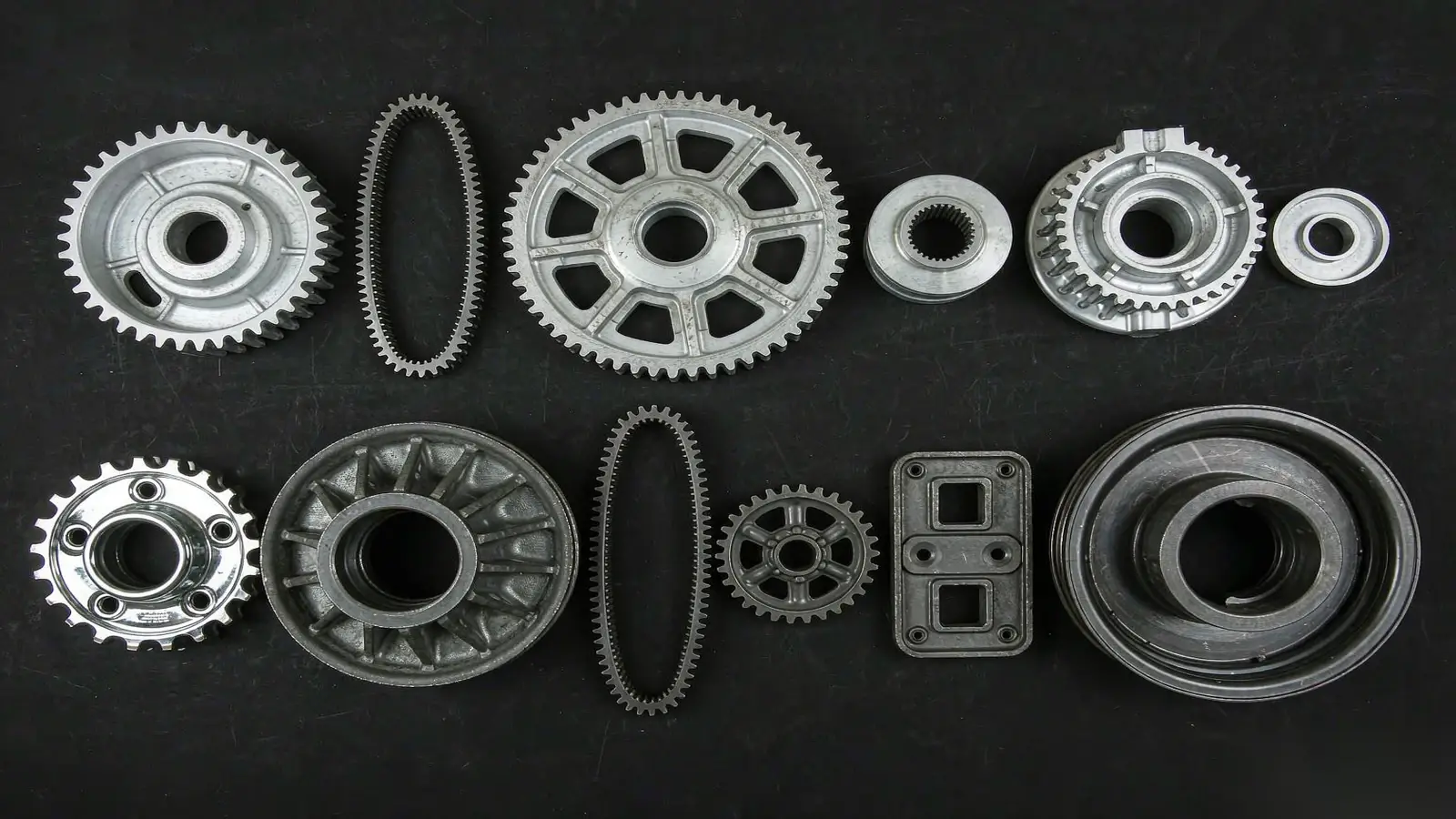
Material selection in automotive parts machining depends on how each component is used. While aluminum is often preferred for lightweight housings and brackets, steel is generally more suitable for heavily loaded or wear-resistant parts.
| Automotive Component | Common Material Choice | Main Consideration |
| Brackets and mounts | Aluminum / Steel | Weight, load capacity and stiffness |
| Electronic and motor housings | Aluminum | Machinability, weight and heat dissipation |
| Shafts and gears | Steel | Strength, fatigue and wear resistance |
| Drivetrain housings | Aluminum / Steel | Weight, rigidity and operating loads |
These are general material-selection guidelines. Final decisions should reflect the specific component design and operating requirements.
6. How Material Choice Affects Automotive CNC Machining Cost
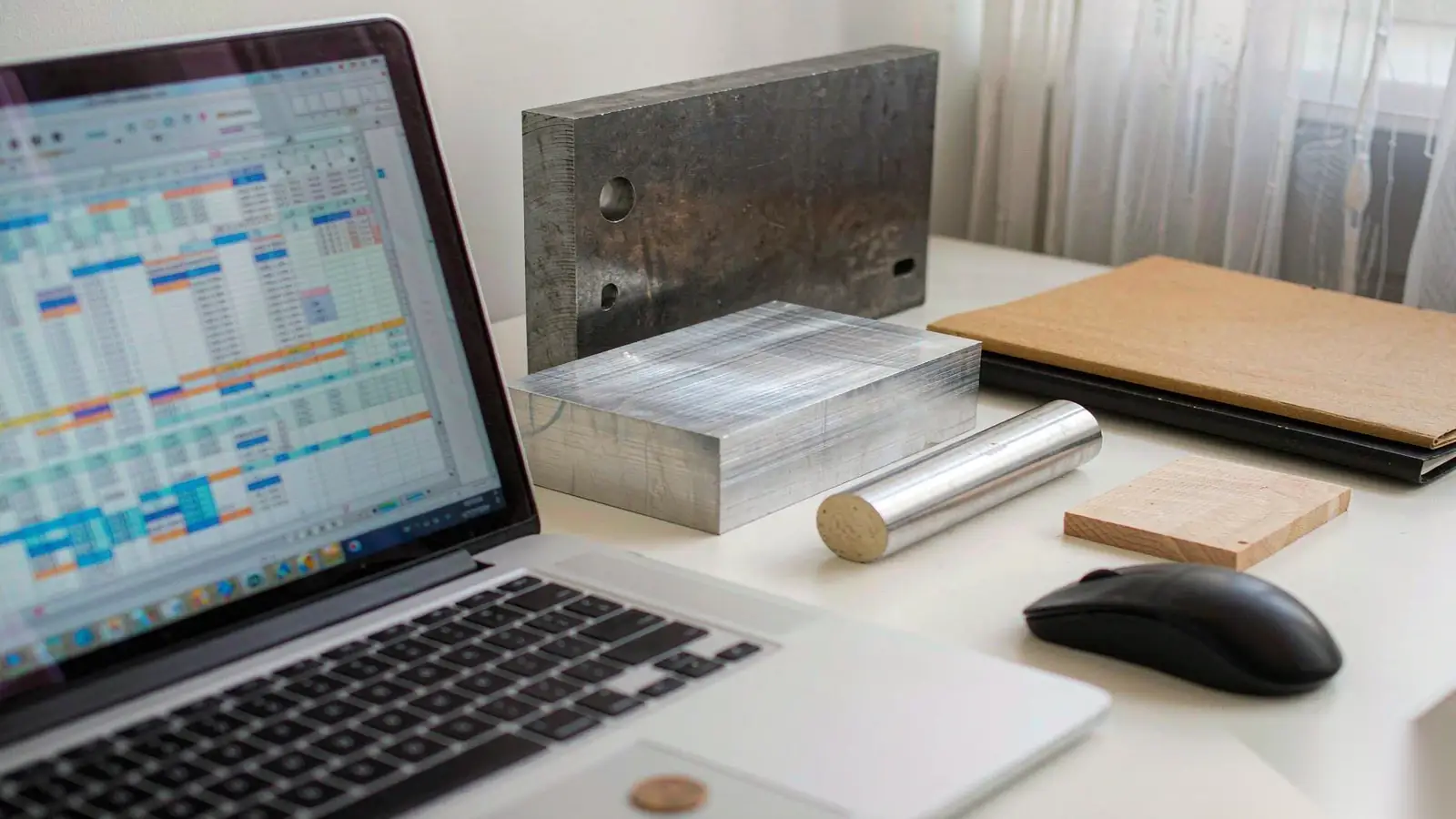
Raw material price alone does not determine the cost of automotive CNC machining. Carbon steel is generally cheaper per kilogram, while aluminum's lower weight and easier machinability can help offset its higher material price.
Machining time, tool wear, and finishing requirements also influence costs. Aluminum often allows faster cutting, whereas harder steels may require more demanding tooling or heat treatment. Additional processes, such as anodizing or plating, depend on the material and intended application.
At SinoRise, we consider part geometry, tolerances, and production volume alongside material selection when evaluating machining requirements. A complex aluminum housing, for instance, may cost more to produce than a simple steel bracket. Ultimately, comparing the total cost of finished parts provides a more practical basis for material selection.
7. Can You Replace Steel with Aluminum in Automotive Parts?
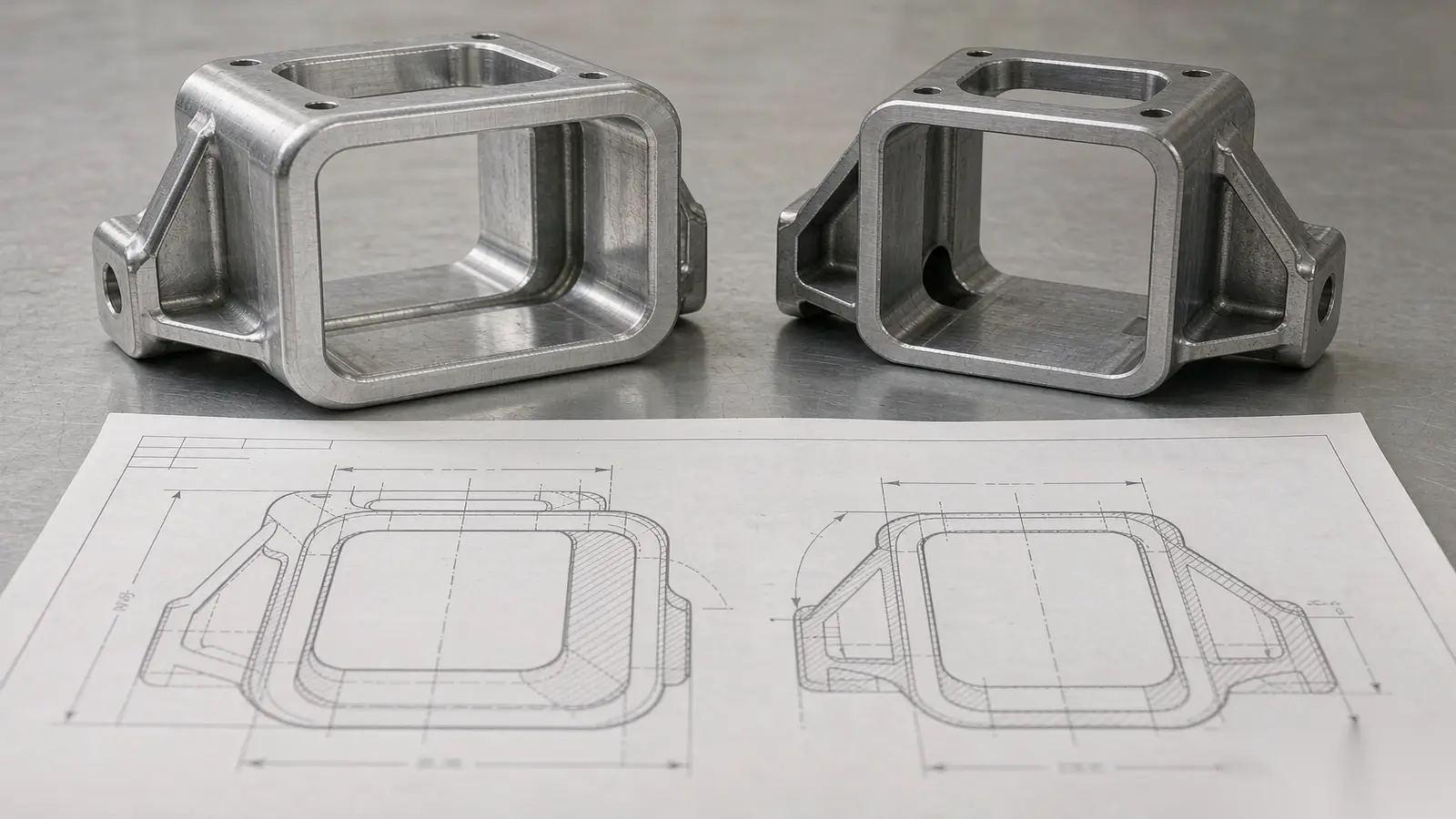
Replacing steel with aluminum can reduce component weight, but a direct substitution is not always practical. Aluminum has lower stiffness and different fatigue and wear characteristics, so keeping the original part dimensions may affect performance.
For brackets and housings, switching materials may require thicker walls, reinforcement, or changes to fastening points. Components exposed to repeated loads or friction need closer evaluation. Before making the change, engineers should verify that the redesigned part meets its structural and operating requirements.
8. How to Choose the Right Material for Automotive Parts Machining
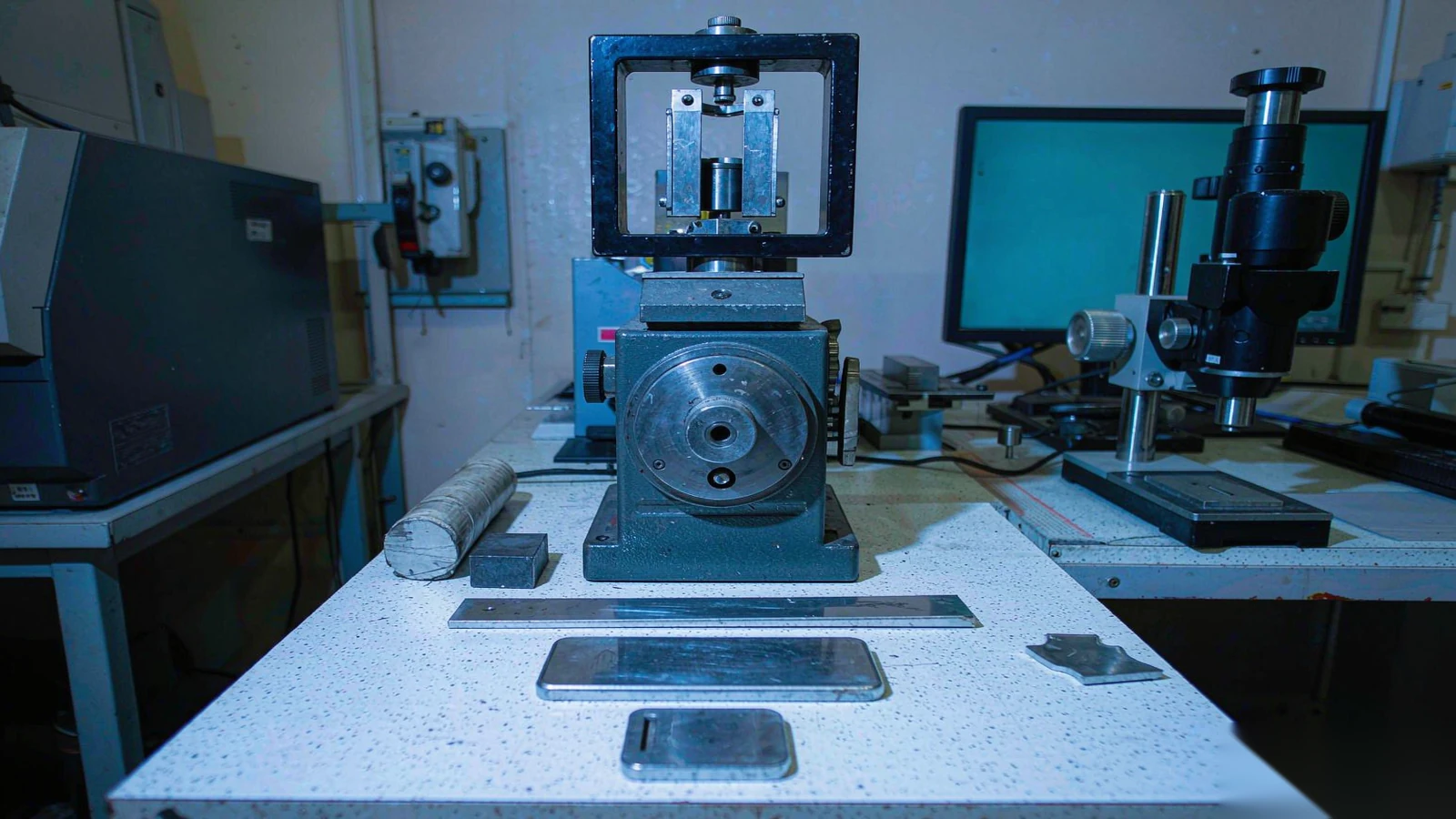
Choosing between aluminum and steel starts with understanding the component's function rather than comparing material properties alone.
A practical selection process should consider:
Load requirements: Identify mechanical forces, vibration, and expected service life.
Weight and space: Determine whether lightweighting or compact geometry is more important.
Operating conditions: Consider temperature, corrosion exposure, and mechanical contact.
Manufacturing requirements: Review tolerances, surface finishing, and production quantity.
Total cost: Compare the complete manufacturing cost of suitable material options.
These factors help narrow down the material choice before final design validation and production.
Frequently Asked Questions
Is aluminum or steel better for automotive CNC parts?
Aluminum is often preferred for lightweight brackets and housings, while steel is generally better suited to heavily loaded shafts, gears, and other wear-resistant components. The choice depends on the part's function and operating conditions.
Is aluminum cheaper to machine than steel?
Aluminum is generally easier to machine than many steels, which can reduce machining time. However, raw material prices, part complexity, tolerances, and finishing requirements all affect the final cost.
Which material is better for automotive brackets?
Aluminum is suitable for many lightweight mounting brackets, while steel may be preferred when greater stiffness or load capacity is needed. The bracket's geometry and operating loads determine the better option.
Can aluminum replace steel in automotive components?
In some applications, yes. However, aluminum's lower stiffness and different mechanical properties may require changes to wall thickness, reinforcement, or fastening features. The revised design must be validated before use.
What aluminum grades are commonly used for automotive machining?
6061-T6 is widely considered for brackets, housings, and general machined components. 6082-T6 is another option for structural parts, while 7075-T6 may be selected when higher strength is required.
Conclusion
Aluminum and steel both have important roles in automotive parts machining. The right material depends on the component's design, operating conditions, and manufacturing requirements. Evaluating these factors together helps achieve reliable performance without unnecessary production costs.
SinoRise provides custom CNC machining services for automotive components in aluminum, steel, and other engineering materials. Contact our team with your drawings and project requirements to discuss suitable machining options.