

Clutch Lever CNC Milled
A cnc machined aluminum clutch lever brings together precise pivot geometry, integrated adjustment features, and a lightweight lever profile to deliver smooth actuation, stable fit, and consistent rider control.
- Precision Pivot Machining
- Ergonomic Lever Geometry
- 6061 / 7075 Aluminum Options
- Prototype to Production
*Our engineering team helps review machining requirements and provide suitable production solutions.
CNC Milled Clutch Lever Overview
Precision-machined clutch levers shaped around smooth pivot action, comfortable reach, and consistent motorcycle control.
A clutch lever sits at the rider’s direct control point, where small differences in geometry can change both feel and function. Pivot position, lever reach, cable or pushrod engagement, and the finger contact profile all need to work together so the lever moves naturally through its operating range.
With a precision cnc milled clutch lever, attention is placed on the areas that influence movement and fit most. The pivot bore and control interfaces are finished accurately, while curved surfaces, tapered sections, recesses, and weight-relief details are shaped around the functional structure rather than added as separate design elements.
Lever designs can vary widely between motorcycle models and control systems. SinoRise machines from the actual CAD geometry, allowing pivot dimensions, reach, lever length, adjustment details, surface finish, and visual styling to follow the intended assembly instead of being restricted to a standard lever format.


6061 Aluminum
For clutch lever designs that need a good balance between weight, machinability, and everyday durability, 6061 aluminum is a practical choice. It machines cleanly around pivot bores, finger contours, adjustment pockets, and recessed areas, which makes it well suited to detailed lever geometry without adding unnecessary mass.
Its corrosion resistance and compatibility with anodizing also make it a strong option for street motorcycles, custom builds, and general-purpose control components where both function and appearance matter.

7075 Aluminum
When the lever design places more emphasis on strength and rigidity, 7075 aluminum offers a higher-strength alternative. This is especially useful around narrow transitions, pivot sections, and compact structural areas where the lever needs to remain stiff without becoming noticeably heavier.
For performance-oriented or lightweight designs, 7075 allows an aluminum clutch lever to retain a slim profile while providing greater strength in critical load-bearing areas.
Choosing Between 6061 and 7075? Send us your drawing, lever requirements, and operating conditions for a material and machining review.
CNC Machined Clutch Lever Specifications
Key dimensions and machining details centered on pivot fit, lever geometry, adjustment features, and motorcycle control interfaces.
| Specification | Machining Data | Specification | Machining Data |
|---|---|---|---|
| Product Type | CNC Machined Clutch Lever | Materials | 6061 Aluminum, 7075 Aluminum |
| Machining Process | CNC Milling, Multi-Axis Machining | Pivot Area | Pivot Bore, Bushing Seat, Mounting Face |
| Lever Geometry | Curved Profile, Finger Contact Surface, Tapered Sections, Recesses | Adjustment Features | Reach Adjuster Seat, Threaded Adjuster Features |
| Control Interface | Cable End, Pushrod Contact, Model-Specific Connection Geometry | Hole Processing | Drilling, Boring, Reaming, Tapping, Counterboring |
| Typical Tolerance | \u00b10.01\u2013\u00b10.05 mm, depending on feature and drawing requirements | Critical Control | Pivot Diameter, Hole Position, Lever Alignment, Interface Fit |
| Surface Roughness | Ra 0.8\u20133.2 \u03bcm where specified | Thread Options | Metric / Imperial |
| Surface Finish | Anodizing, Hard Anodizing, Bead Blasting, Polishing, As Machined | Inspection | Pivot Bore, Profile, Hole Position, Mating Features, Overall Dimensions |
| Production Type | Prototype, Low-Volume, Small & Medium Batch | Drawing Format | STEP, STP, IGES, DWG, DXF, PDF |
| Customization | Lever Length, Reach, Pivot Geometry, Adjustment Layout, Finish | Manufacturing Basis | Customer Drawing, CAD Model, Technical Requirements |
Key Features of Precision Clutch Lever Machining
Built around smooth control, stable pivot behavior, comfortable reach, and clean integration with the motorcycle control system.
Stable Pivot Control
A clutch lever needs to rotate freely without feeling loose or inconsistent. Careful control of the pivot bore, bushing seat, and surrounding contact surfaces helps maintain predictable movement through repeated operation.
Comfortable Reach and Finger Contact
Lever curvature, finger position, edge transitions, and reach all influence how naturally the rider can operate the clutch. These areas can be shaped around the intended riding position instead of relying on one standard lever profile.
Compact Adjustment Integration
Reach adjusters, cable interfaces, pushrod contact points, and threaded features can be built into the lever body without making the assembly unnecessarily bulky. This keeps the control layout compact while preserving access for adjustment and maintenance.
Strength Where the Lever Needs It
Weight can be removed from low-stress areas through pockets, recesses, and tapered sections while keeping more material around the pivot, load path, and adjustment zones. This helps an aluminum clutch lever stay lightweight without weakening the areas that carry functional loads.
Need a Lever That Matches Your Control Layout?
Surface Finish Options for CNC Aluminum Lever Components
Finishes for cnc machining aluminum parts can be selected according to wear exposure, rider contact, corrosion protection, visual style, and dimensional requirements around functional interfaces.
| Finish | Main Purpose | Finish | Main Purpose |
|---|---|---|---|
| Anodizing | Adds corrosion resistance while providing durable color options for exposed lever surfaces | Hard Anodizing | Improves hardness and wear resistance in areas exposed to repeated use |
| Bead Blasting | Produces a uniform matte texture and softens visible machining marks | Polishing | Creates a smoother, brighter surface for appearance-focused designs |
| Two-Tone Finish | Combines coated and re-machined surfaces to create visual contrast and highlight machined details | Laser Marking | Adds logos, model codes, scale marks, or identification without changing the main geometry |
| As Machined | Retains the original CNC-machined surface where no additional finish is required | Custom Finish | Applies project-specific treatment according to appearance, wear, or assembly requirements |
*Pivot bores, threaded areas, bushing seats, and other close-fit features should be reviewed before coating. Masking or controlled coating thickness may be required where dimensional buildup could affect assembly.

Put your CNC milling parts into production today
All information and uploads are secure and confidential.
Trusted for Precision CNC Machined Components
Supporting OEM projects with accurate machining, flexible production, and reliable component quality.





Trusted for Precision CNC Milling.
Precision CNC Machining Process for Clutch Lever Components
The machining sequence is arranged around pivot accuracy, lever geometry, adjustment features, and final assembly fit.
01. Pivot & Control Geometry Review
The process starts with the CAD model and critical dimensions around the pivot bore, lever reach, cable or pushrod interface, adjustment mechanism, and available clearance within the control assembly. These functional relationships are confirmed before machining begins.
02. Lever Body Rough Machining
The main profile, pockets, and weight-reduction areas are roughed first while leaving controlled stock around the pivot, adjustment zones, and finger-contact surfaces. This creates the basic lever structure without disturbing critical functional areas too early.
03. Pivot & Adjustment Feature Machining
Pivot bores, bushing seats, threaded adjuster features, cable interfaces, and pushrod contact points are completed with precision cnc machining. Their position is controlled relative to the lever body so the moving and adjustment features remain coordinated during assembly.
04. Contour & Multi-Side Finishing
Curved finger surfaces, tapered sections, edge transitions, recesses, and model-specific details are finished after the main functional geometry is established. For complex lever shapes, 5 axis cnc machining can reduce repeated repositioning and improve access to features located on different faces.
05. Fit, Profile & Surface Inspection
The finished part is checked around the pivot bore, lever profile, hole positions, adjustment interfaces, and visible surfaces. Inspection focuses on whether the lever matches the approved drawing and whether critical functional areas remain suitable for final assembly and surface treatment.
Ready to Move Your Clutch Lever Design Into Production? Send us your CAD model, pivot dimensions, and adjustment requirements for a machining review.
Clutch Lever Design & Machining FAQs
The pivot area controls how the lever rotates and how much free movement is felt at the handlebar. The bore, bushing seat, mounting faces, and nearby geometry need to work together so the lever can move smoothly without excessive looseness or binding.
Yes. Lever curvature, overall length, finger-contact position, and reach can be adjusted to match different control layouts. These changes should be reviewed together with the pivot location, handlebar clearance, and cable or pushrod geometry so the new profile still works through the full operating range.
Yes. Reach-adjuster seats, threaded features, cable interfaces, and pushrod contact areas can be incorporated directly into the lever geometry. This keeps the assembly compact, but the surrounding wall thickness and clearance need to be considered during design.
Weight is normally removed from areas that contribute less to the main load path, using pockets, recesses, or tapered sections. More material is retained around the pivot, adjustment zones, and other functional areas so the lever can remain lightweight without sacrificing necessary rigidity.
5 axis cnc machining is useful when the lever includes complex curves, angled surfaces, undercut-like access requirements, or features distributed across multiple faces. It can reduce repeated repositioning and make it easier to machine detailed geometry while maintaining consistent feature relationships.
Pivot bores, bushing seats, threads, and other close-fit interfaces should be reviewed before coating. Depending on the required fit, these areas may need masking or controlled coating thickness so the finish does not affect assembly.
Yes. A common design language can be retained while changing pivot dimensions, lever length, reach, adjustment details, cable or pushrod interfaces, and mounting geometry for different motorcycle models. This makes it possible to develop related variants without redesigning the entire component from the beginning.
Other CNC Machined Mechanical Components
Explore additional precision CNC machined components manufactured for OEM applications and customized production needs.

Precision-machined bearing housing components designed for accurate assembly, stable operation, and customized mechanical applications.

Structural aluminum engine brackets CNC machined for accurate mounting and long-term stability.
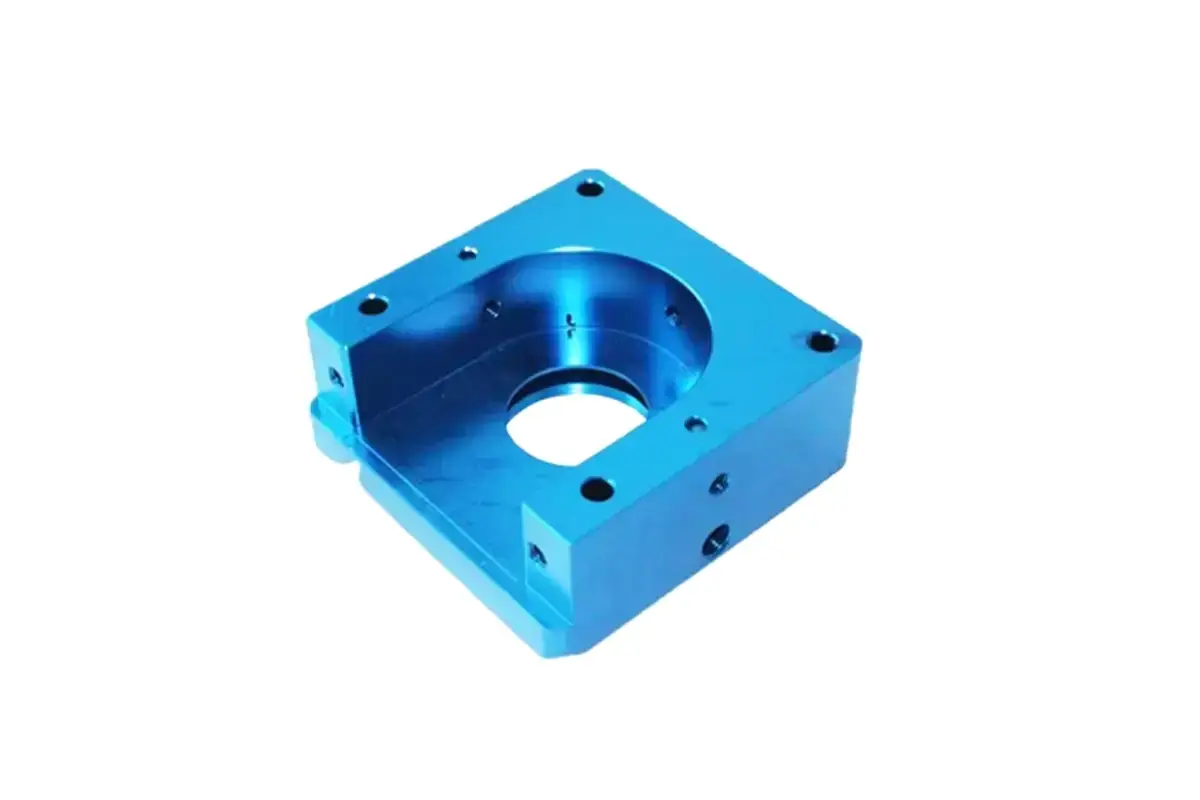
Custom-engineered mounting components manufactured for accurate fit, reliable performance, and OEM applications.

Precision-machined brake lever components designed for accurate control, lightweight performance, and customized applications.
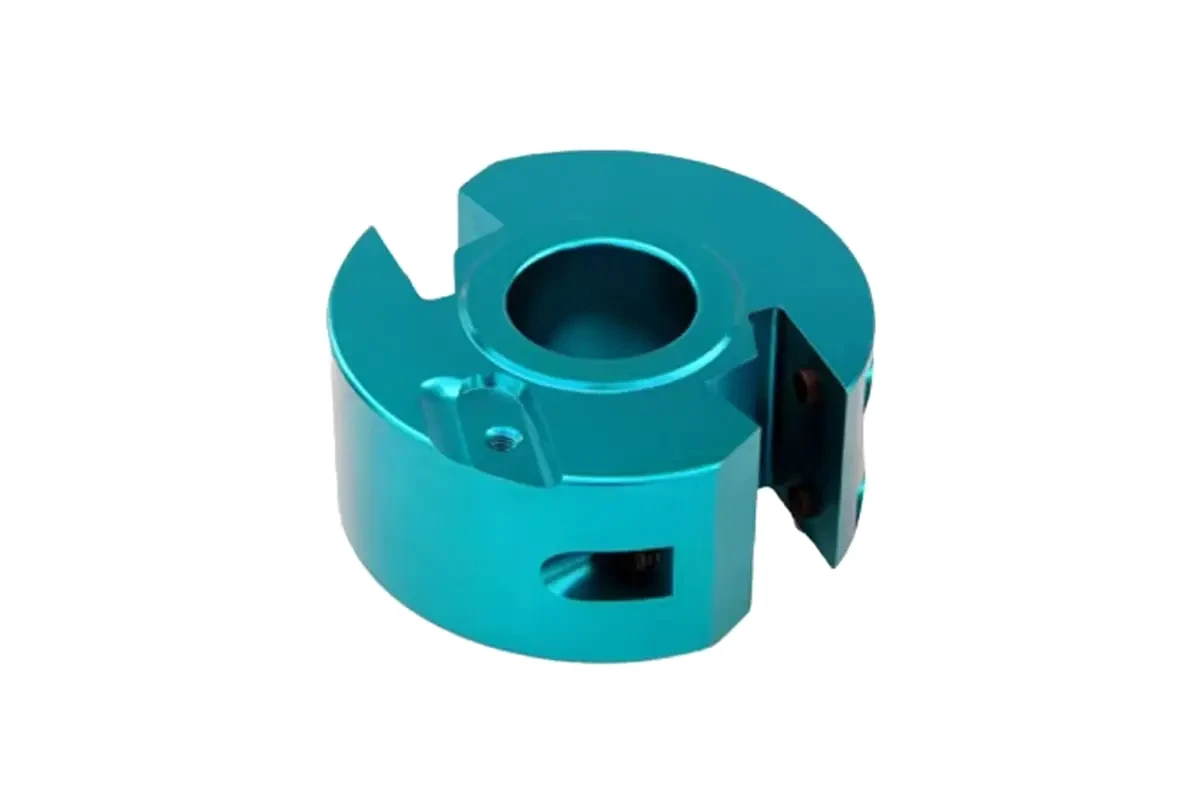
Precision CNC milled shock mount components engineered for accurate alignment and stable support at the shock absorber mount.
Get high‑quality machined parts in as fast as 4 days with our expanded automated CNC milling!