
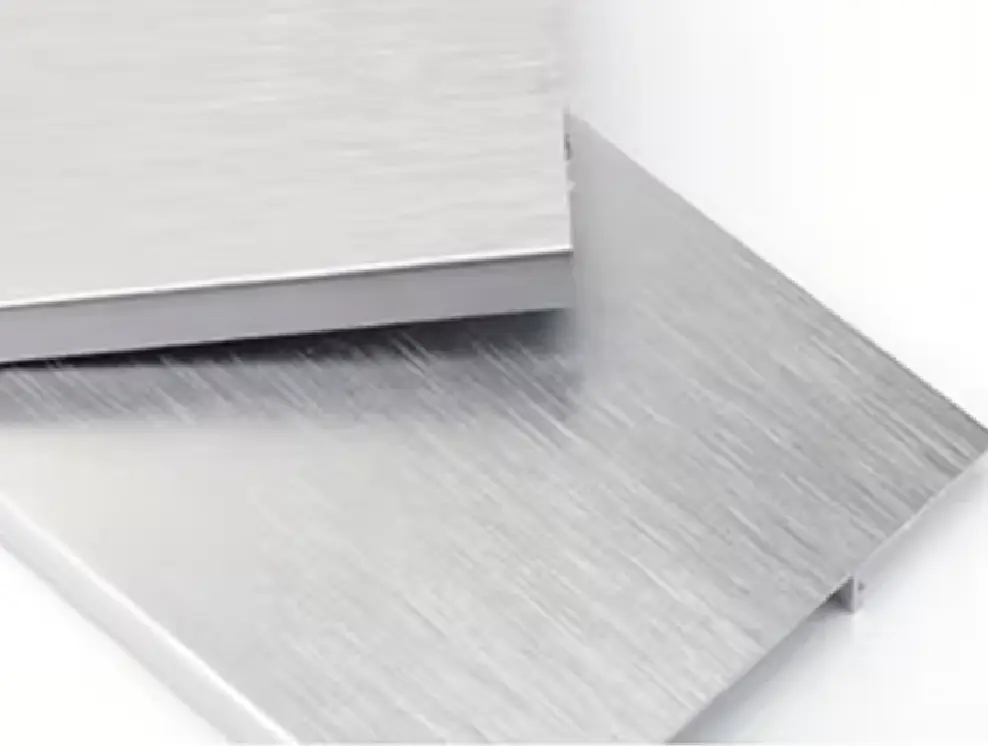
Brushed Finish
Applicable Materials: Stainless steel, aluminum
Main Purpose: Creates a uniform satin texture through mechanical polishing, enhances wear resistance, suitable for high-end aesthetic components
Main Purpose: Creates a uniform satin texture through mechanical polishing, enhances wear resistance, suitable for high-end aesthetic components
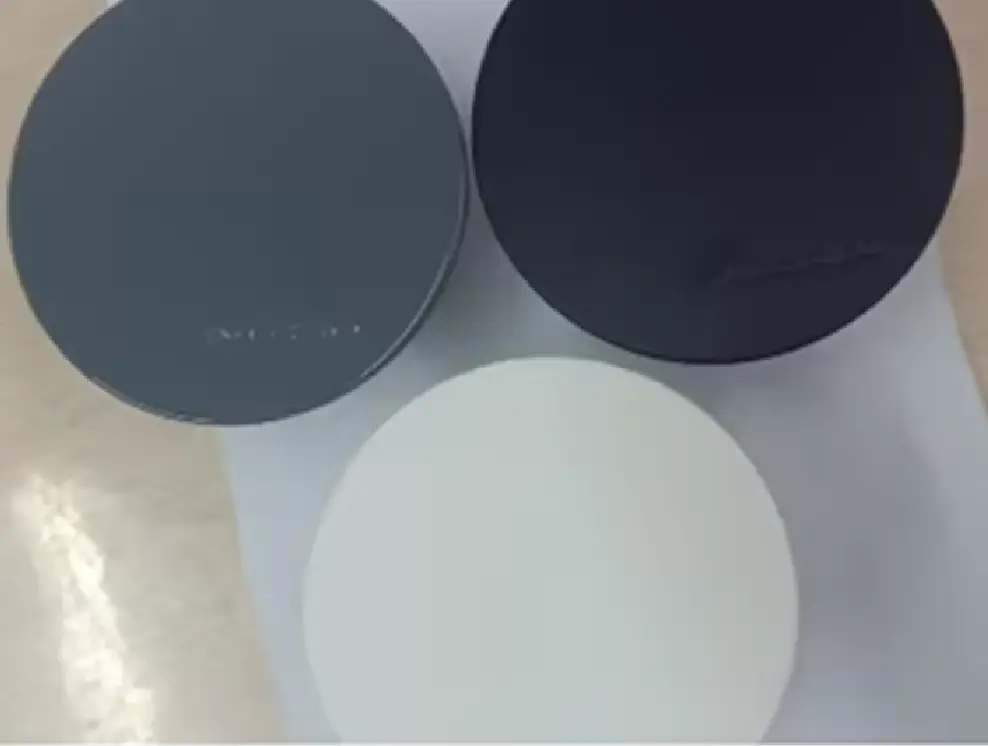
Powder Coating
Applicable Materials: Metal, plastic
Main Purpose: Forms a durable, wear-resistant coating on component surfaces, improves corrosion resistance, weather resistance, and appearance; commonly used for decorative parts
Main Purpose: Forms a durable, wear-resistant coating on component surfaces, improves corrosion resistance, weather resistance, and appearance; commonly used for decorative parts
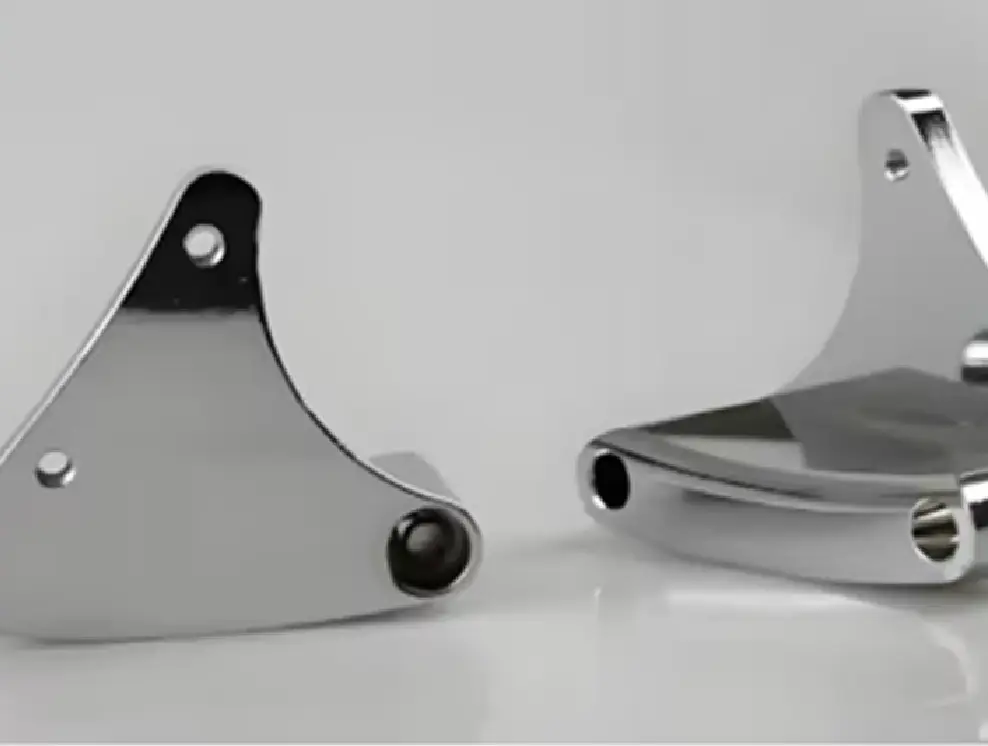
Electroplating
Applicable Materials: Aluminum, stainless steel, copper, alloy steel, etc.
Main Purpose: Deposits a thin metal layer on the surface of metal components to enhance hardness, corrosion resistance, and wear resistance, optimize conductivity, and improve appearance
Main Purpose: Deposits a thin metal layer on the surface of metal components to enhance hardness, corrosion resistance, and wear resistance, optimize conductivity, and improve appearance
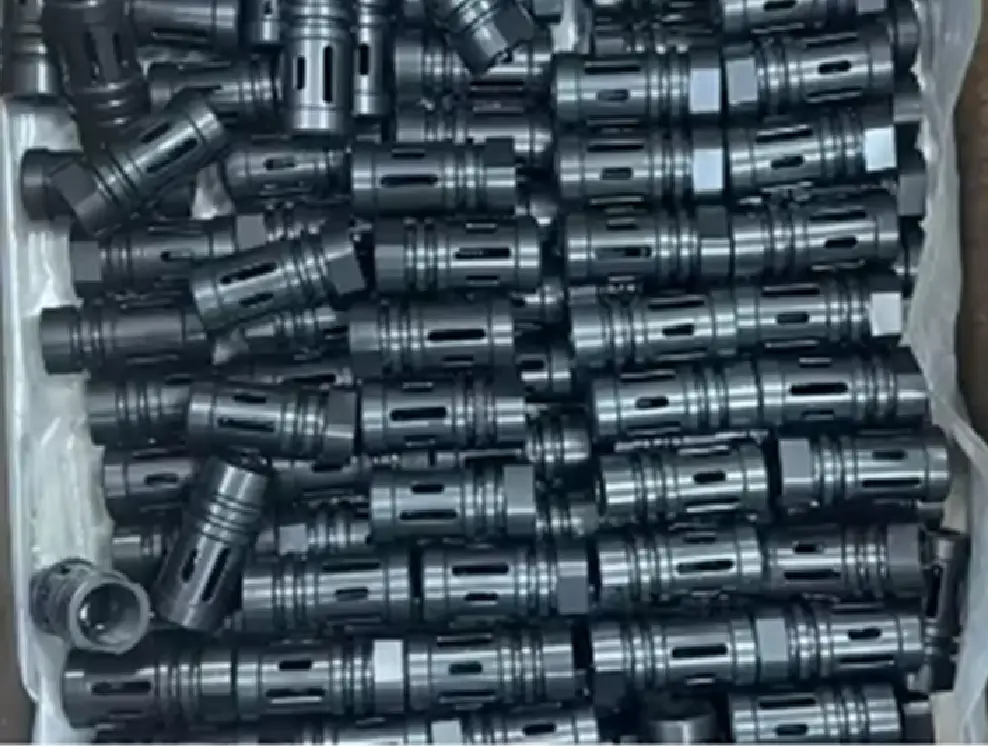
Black Oxidize
Applicable Materials: Steel, stainless steel
Main Purpose: Forms a dense matte black protective film through chemical reaction, improving corrosion and oxidation resistance while providing rust protection and decorative effect
Main Purpose: Forms a dense matte black protective film through chemical reaction, improving corrosion and oxidation resistance while providing rust protection and decorative effect
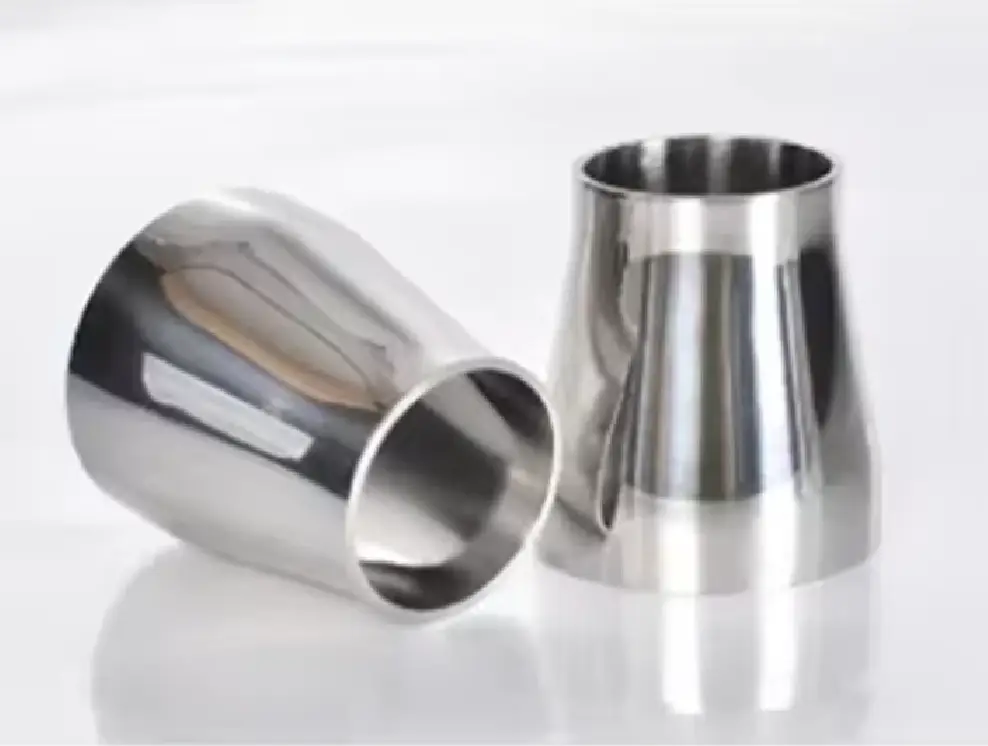
Polishing
Applicable Materials: Stainless steel, aluminum, copper, alloys, etc.
Main Purpose: Smooths metal surfaces through fine grinding to minimize roughness, creates a high-gloss finish, commonly used for precision components and aesthetic parts
Main Purpose: Smooths metal surfaces through fine grinding to minimize roughness, creates a high-gloss finish, commonly used for precision components and aesthetic parts
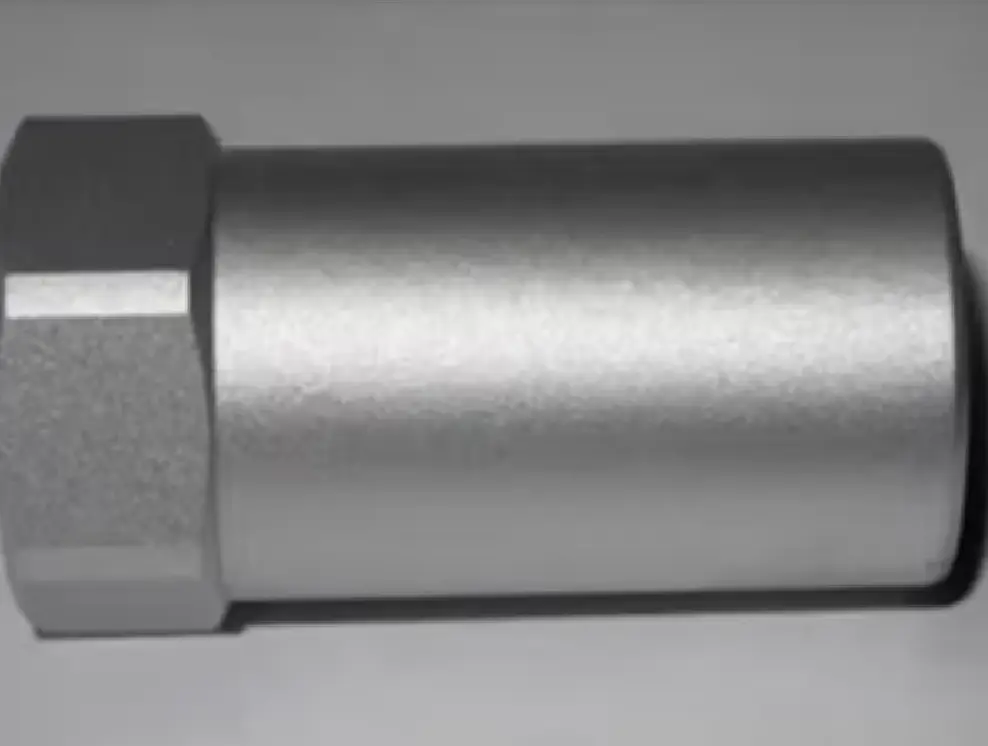
Sand Blasting
Applicable Materials: Metal, plastic
Main Purpose: Propels pressurized sand or abrasive onto the component surface to increase roughness and clean the surface; commonly used for surface decoration and cleaning
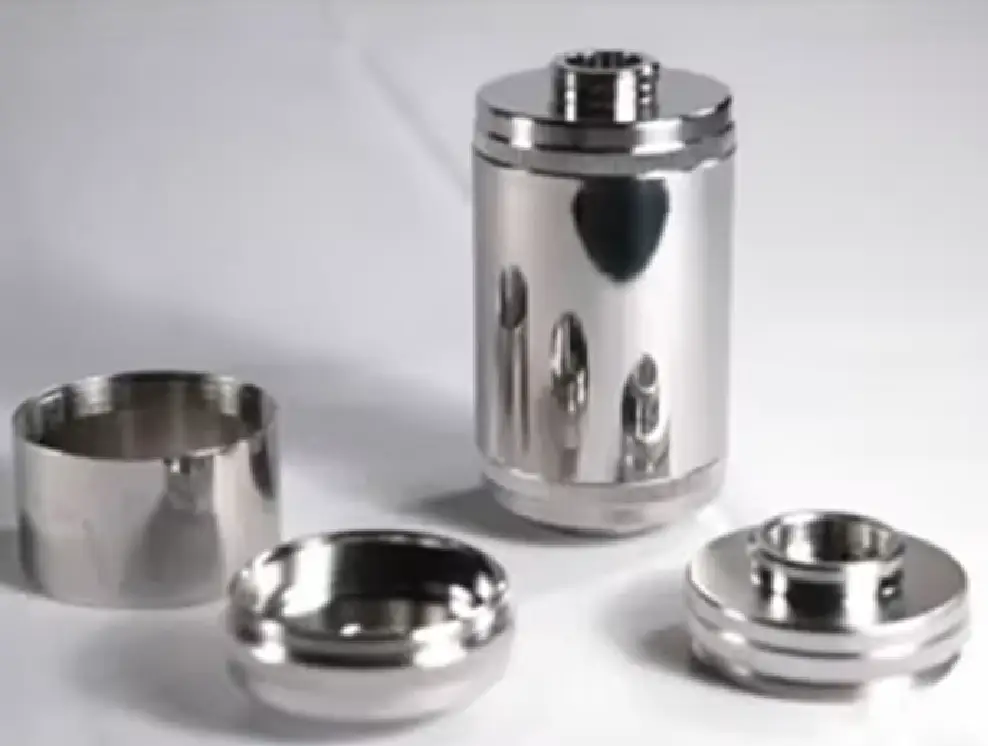
Electropolish
Applicable Materials: Stainless steel, aluminum, copper, etc.
Main Purpose: Uses electrochemical reactions to refine and brighten metal surfaces, remove micro-burrs, improve surface smoothness and corrosion resistance; suitable for components requiring high surface precision
Main Purpose: Uses electrochemical reactions to refine and brighten metal surfaces, remove micro-burrs, improve surface smoothness and corrosion resistance; suitable for components requiring high surface precision
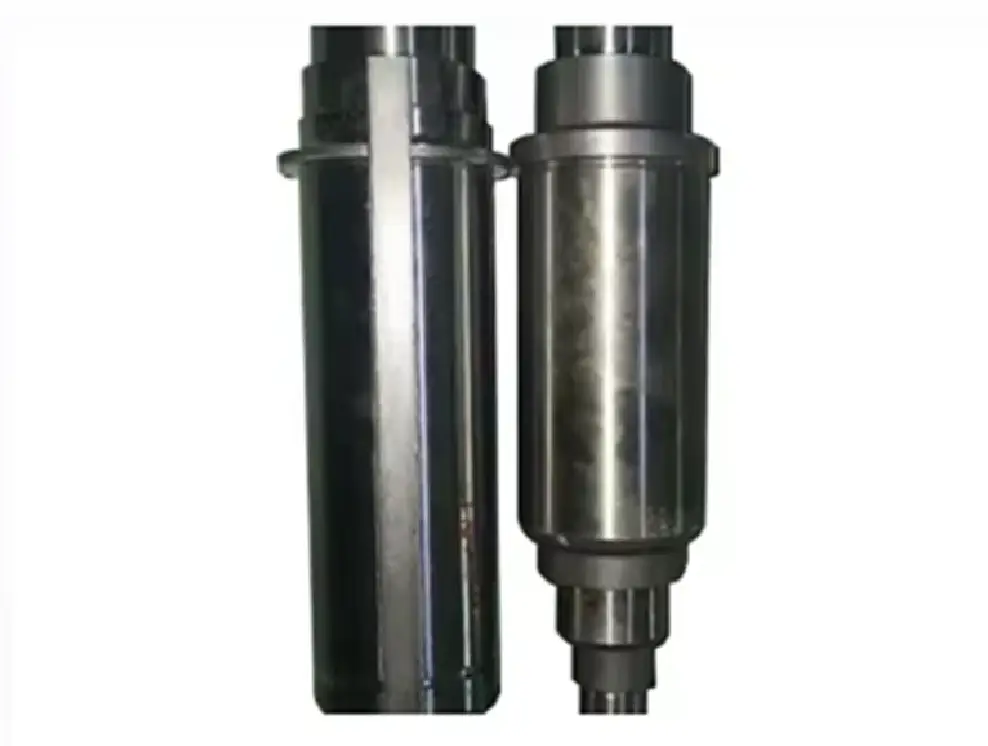
Heat Treatment
Applicable Materials: Steel, aluminum alloys, etc.
Main Purpose: Alters the microstructure of metals to adjust mechanical properties, enhancing hardness, strength, and ductility to meet specific engineering requirements
Main Purpose: Alters the microstructure of metals to adjust mechanical properties, enhancing hardness, strength, and ductility to meet specific engineering requirements
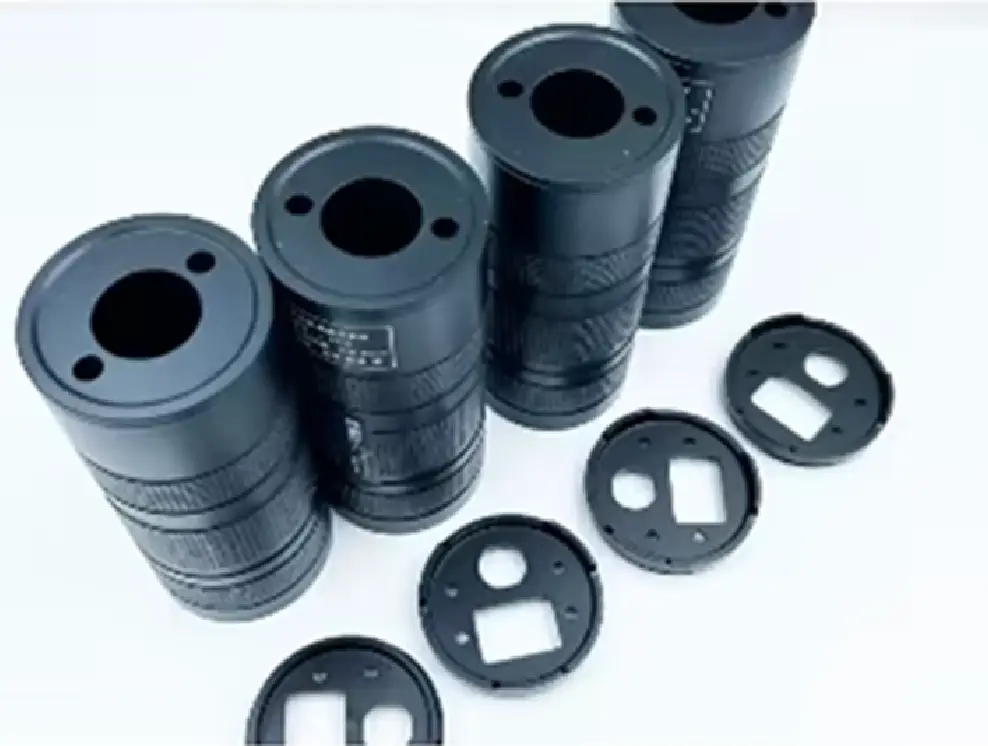
Anodizing
Applicable Materials: Aluminum and aluminum alloys
Main Purpose: Improves corrosion resistance and surface hardness while providing durable color finishes; combines functional and decorative benefits
Main Purpose: Improves corrosion resistance and surface hardness while providing durable color finishes; combines functional and decorative benefits
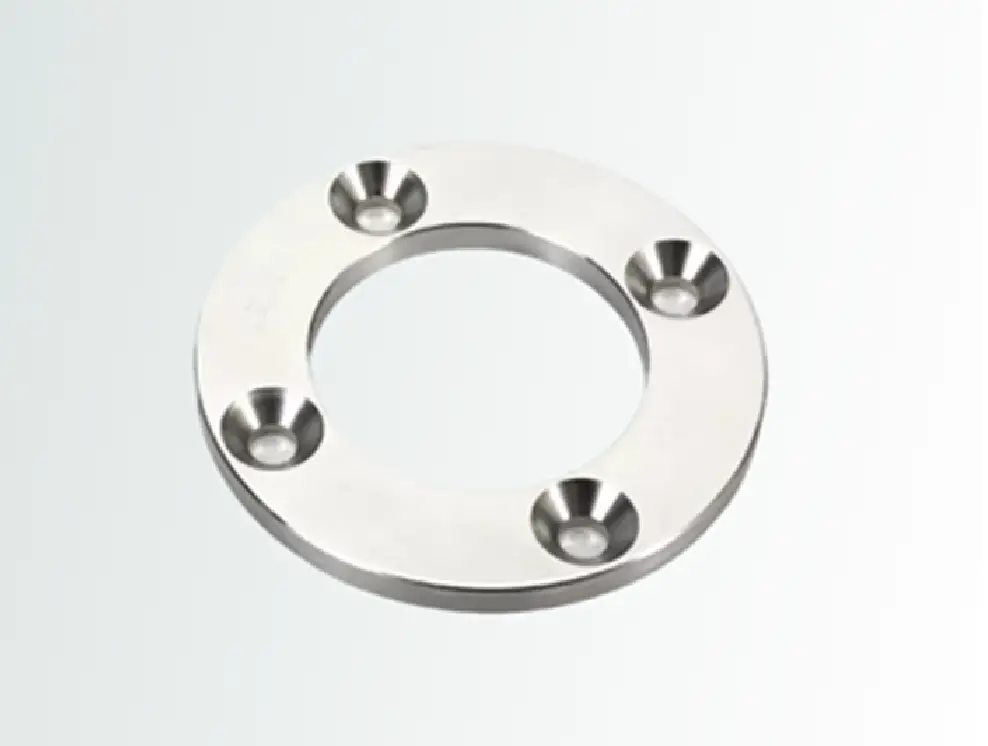
Tumbling
Applicable Materials: Metal, plastic
Main Purpose: Removes burrs and defects through rolling or vibrating with abrasives, smooths surfaces, and enhances gloss; ideal for high-volume processing of small precision parts
Main Purpose: Removes burrs and defects through rolling or vibrating with abrasives, smooths surfaces, and enhances gloss; ideal for high-volume processing of small precision parts
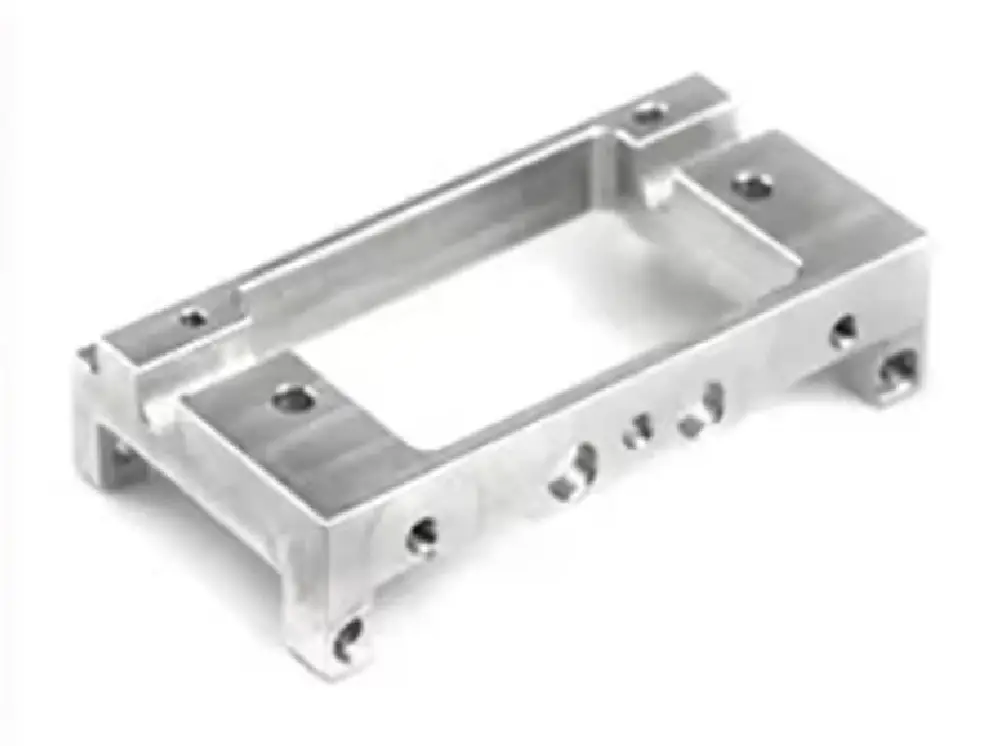
Machined Finish
Applicable Materials: Various metals
Main Purpose: Directly formed by CNC machining; one of the most cost-effective surface treatments, provides high surface flatness, retains machining textures, suitable for structural and precision parts
Main Purpose: Directly formed by CNC machining; one of the most cost-effective surface treatments, provides high surface flatness, retains machining textures, suitable for structural and precision parts
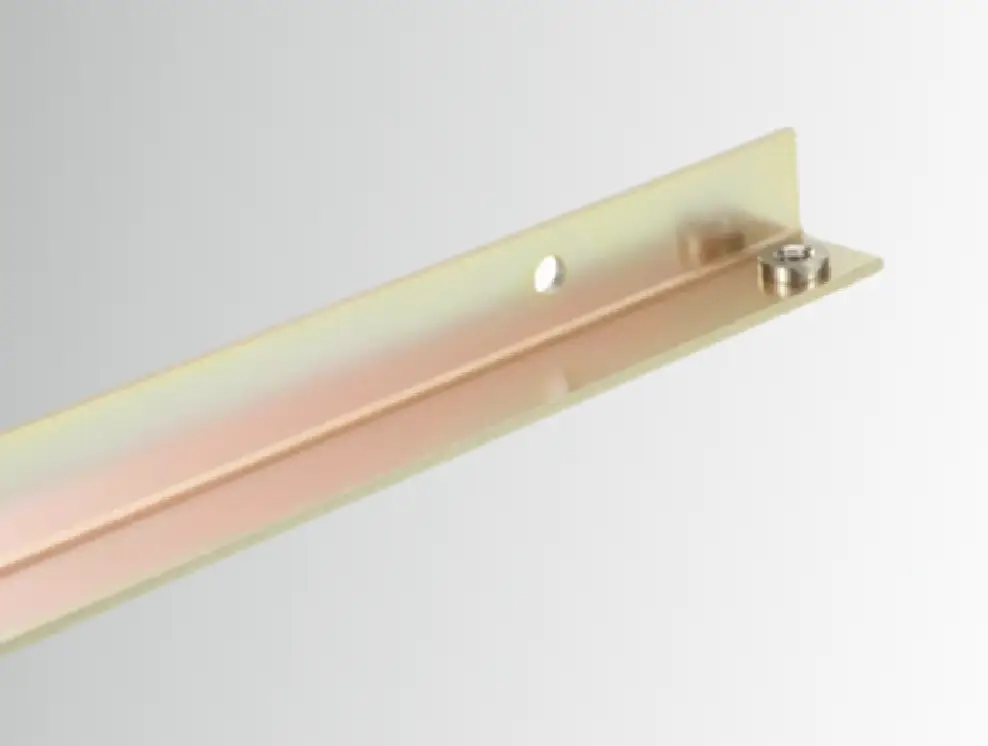
Alodine
Applicable Materials: Aluminum, aluminum alloys
Main Purpose: Forms a protective conversion film through chemical treatment, improves corrosion resistance and coating adhesion; used as surface pre-treatment for aluminum parts
Main Purpose: Forms a protective conversion film through chemical treatment, improves corrosion resistance and coating adhesion; used as surface pre-treatment for aluminum parts
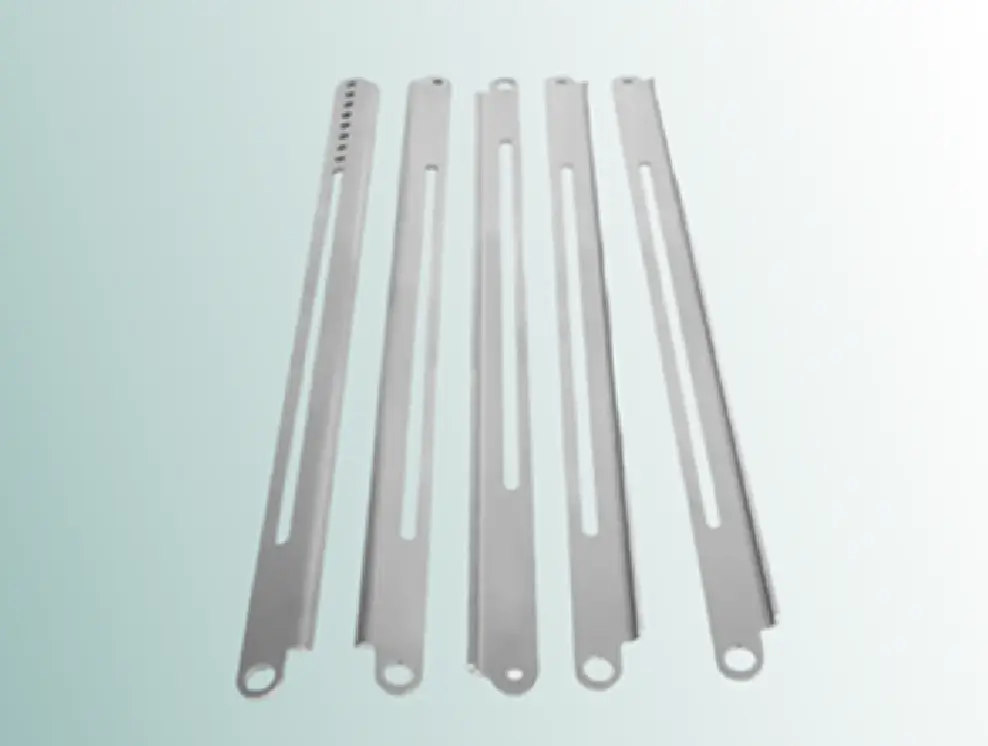
Passivation
Applicable Materials: Stainless steel, aluminum alloys
Main Purpose: A chemical process that removes free iron on the surface to enhance corrosion resistance; commonly applied to stainless steel components
Main Purpose: A chemical process that removes free iron on the surface to enhance corrosion resistance; commonly applied to stainless steel components
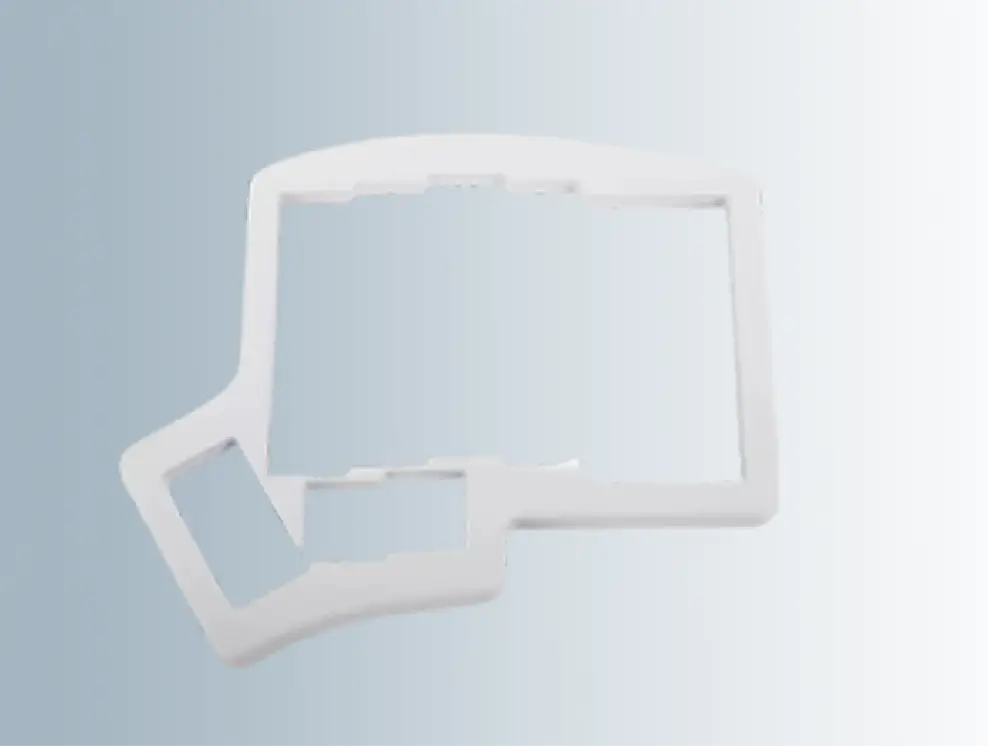
Electrophoresis
Applicable Materials: Metal, aluminum alloys
Main Purpose: Forms a uniform and dense coating via electrophoresis, improving corrosion resistance and adhesion; suitable for complex-shaped parts requiring uniform coatings
Main Purpose: Forms a uniform and dense coating via electrophoresis, improving corrosion resistance and adhesion; suitable for complex-shaped parts requiring uniform coatings
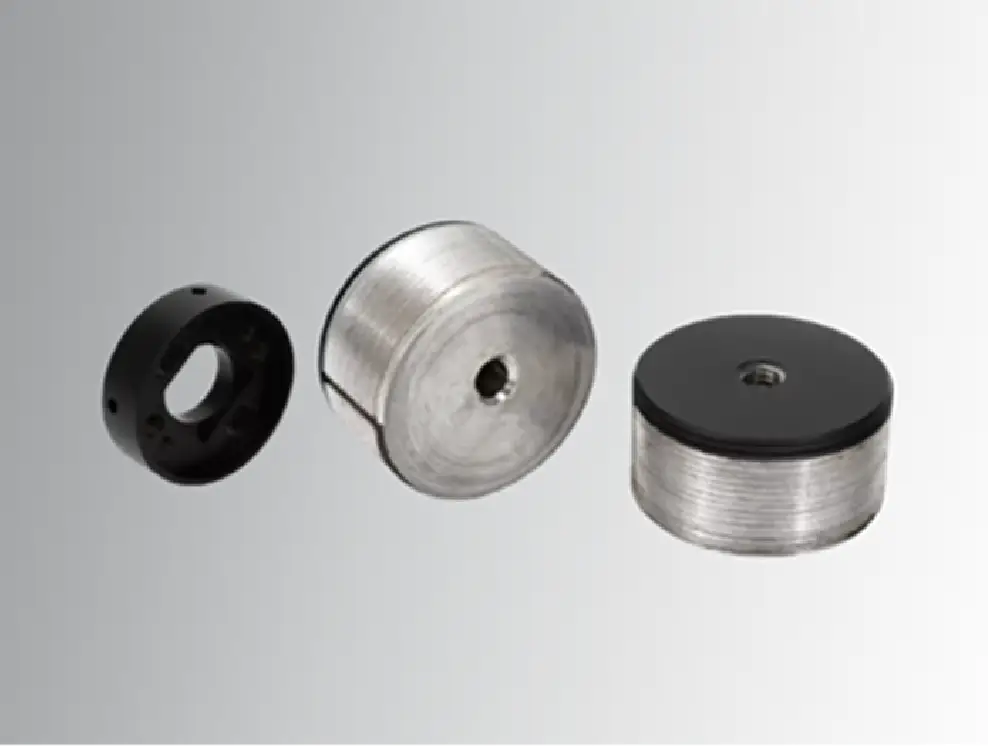
Teflon Coating
Applicable Materials: Metal, plastic
Main Purpose: Forms a non-stick, wear-resistant protective layer through spraying and curing, reduces friction, improves high-temperature and corrosion resistance; suitable for components under special conditions
Main Purpose: Forms a non-stick, wear-resistant protective layer through spraying and curing, reduces friction, improves high-temperature and corrosion resistance; suitable for components under special conditions
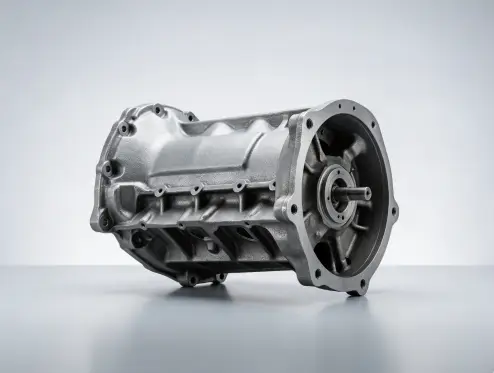
Shot Blasting
Applicable Materials: Steel, stainless steel, cast iron
Main Purpose: Strengthens the metal surface through high-speed shot impact, increasing hardness and fatigue resistance; suitable for structurally complex components under stress
Main Purpose: Strengthens the metal surface through high-speed shot impact, increasing hardness and fatigue resistance; suitable for structurally complex components under stress

Clarify Core Needs
Specify your requirements for appearance, functionality, and special features.

Match Material to Part
Engineers assess and recommend based on the material and its characteristics.

Combine Application Scenari
Different industries and environments may require different processes—choose what suits your needs best.

Balance Cost and Delivery Time
DFM-driven optimization achieves 10–25% systematic cost reduction, while 2-hour after-sales response makes every custom project easier and more worry-free.