
CNC Milling Services
Custom CNC milling services for metal and engineering plastic parts, from prototypes to small batch production.
SinoRise combines 3-axis, 4-axis and 5-axis machining with drawing review to match your part geometry, material and
tolerance requirements.
tolerance requirements.
- Custom CNC Machined Prototypes (One-Off & Small Batch)
- Precision Tolerances up to ±0.005 mm.
- Drawing review and material selection support
*Send your drawings with material, quantity and surface finish requirements to get started.
SinoRise Small-Batch Precision CNC Milling Services
SinoRise provides precision CNC milling services for prototypes and small batch production. We provide CNC milling manufacturing for custom metal parts based on your drawings, with support for design review, material selection, and surface finishing.
SinoRise provides precision CNC milling services for custom prototypes and end-use parts, supporting product development and small batch production. Using computer-controlled rotating cutting tools, we machine metals and engineering plastics into parts with complex shapes, pockets, holes and precise mating surfaces. Our 3-axis, 4-axis and 5-axis machining capabilities accommodate different part geometries and drawing requirements.
Our team supports your project from drawing review and material selection through machining, quality inspection and surface finishing. We evaluate critical tolerances, assembly needs and finishing requirements to develop a suitable manufacturing approach for your application. Send us your CAD files, technical drawings and required quantities to discuss machining feasibility, pricing and lead time.
Our CNC milling service is commonly used for:
- functional prototypes
- jigs and fixtures
- production components in lower volumes
3-Axis, 4-Axis and 5-Axis Machining Capabilities
From prototypes to production parts, SinoRise provides flexible CNC Milling Services with advanced 3-axis, 4-axis, and 5-axis machining capabilities. Based on part complexity, material requirements, and production needs, we select the most suitable machining process to achieve reliable quality, precision, and efficiency.
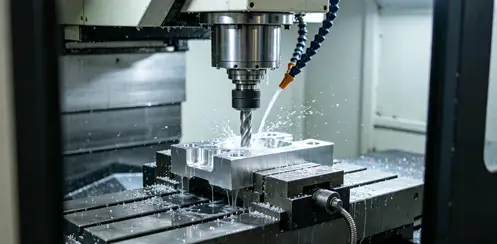
3-Axis CNC Milling
With proven stability and efficiency, 3-axis machining is ideal for precision parts with standard geometries and straightforward features. SinoRise optimizes cutting strategies and machining processes to deliver consistent quality and competitive production costs.
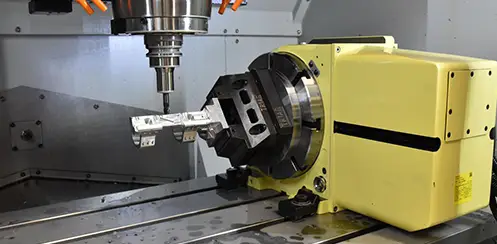
4-Axis CNC Milling
By introducing rotary-axis machining, 4-axis milling reduces repositioning and improves access to multiple surfaces. SinoRise applies this capability to achieve better machining consistency and greater flexibility for more complex part structures.
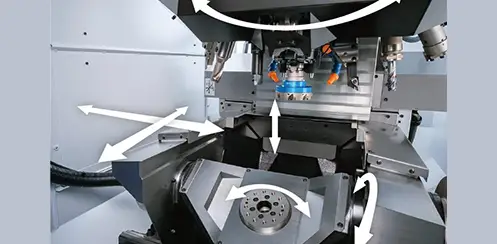
5-Axis CNC Milling
For highly complex geometries, 5-axis milling allows multiple surfaces to be machined in fewer setups while maintaining precision and surface quality. SinoRise combines advanced equipment and inspection control to produce demanding precision components with reliable results.
Flexible CNC Milling Solutions
From design validation to production, SinoRise provides flexible CNC milling solutions that help customers reduce development risks and achieve stable part manufacturing.
Prototype CNC Milling
Prototype machining helps customers verify designs and avoid costly changes before production. SinoRise provides precise prototype CNC milling with engineering feedback to improve manufacturability and speed up development.
Small Batch CNC Milling
SinoRise provides small batch CNC milling parts with flexible order quantities and reliable quality. Our process controls help maintain consistent parts across initial batches and repeat orders.
On-Demand CNC Milling
SinoRise supports your CNC milling project with drawing review, design for manufacturability (DFM) feedback, material selection and quality inspection. We help refine your design for efficient machining and reliable part performance.
Wide Range of CNC Milling Materials
SinoRise supports a variety of metals and engineering plastics, providing flexible material options for different strength, weight, corrosion resistance, and performance requirements. Send your drawings to discuss material selection and machining feasibility with our engineers.
- Aluminum
- Stainless Steel
- Brass
- Copper
- Titanium
- Steel
Aluminum CNC Milling
Aluminum combines low weight, good corrosion resistance and excellent machinability, making it suited for precision CNC milling parts such as housings, brackets and mounting plates. Different alloys offer options for strength, weight and cost. Anodizing can enhance corrosion resistance, while bead blasting creates a uniform matte finish. Material and finish selection depend on your application and design requirements.
- Aluminum 6061
- Aluminum 6061-T6
- Aluminum 2024
- Aluminum 5052
- Aluminum 7075
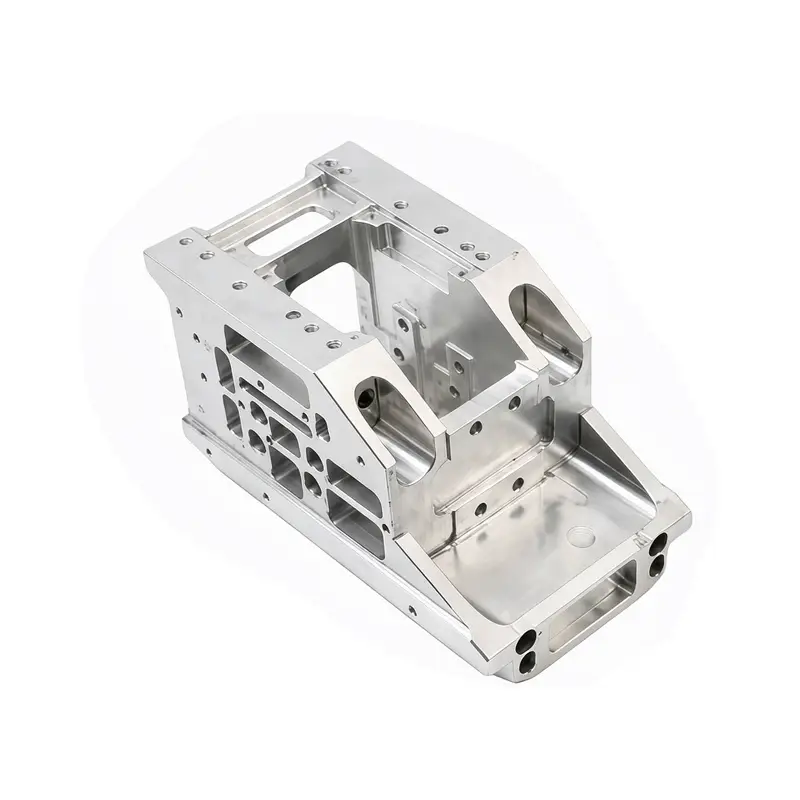
Stainless Steel CNC Milling
Stainless steel provides excellent corrosion resistance, strength, and durability, making it suitable for precision CNC milling parts used in demanding environments. Different grades offer varying levels of machinability, corrosion resistance, and mechanical strength. Passivation, polishing, and bead blasting can further improve surface quality and corrosion protection. Material selection depends on the required strength, environment, and application.
- Stainless Steel 303
- Stainless Steel 304
- Stainless Steel 316
- Stainless Steel 17-4 PH
- Stainless Steel 420
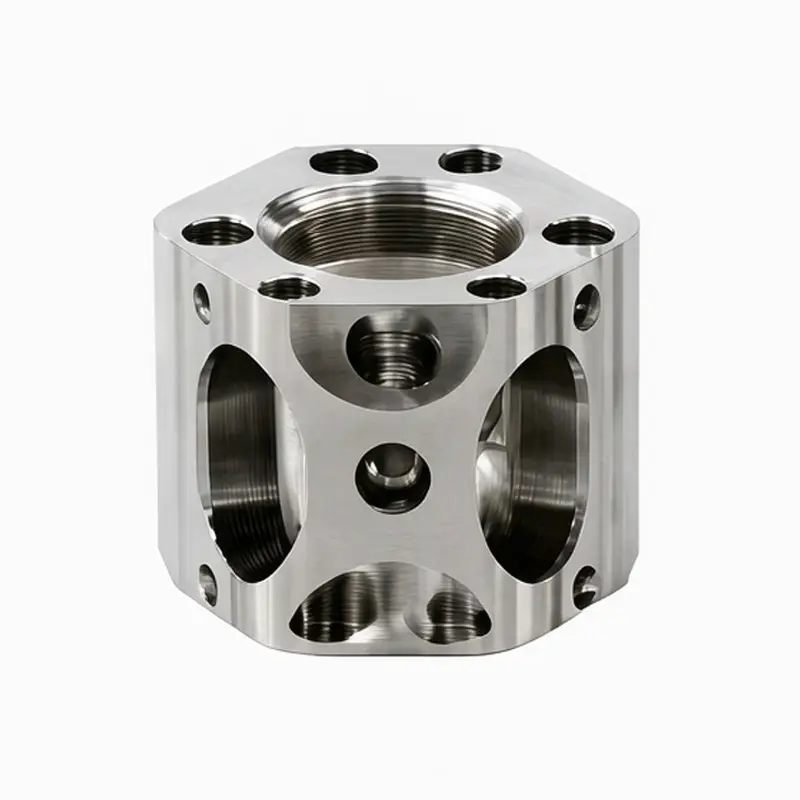
Brass CNC Milling
Brass offers excellent machinability, good corrosion resistance, and reliable dimensional stability, making it ideal for precision components, fittings, connectors, and decorative parts. Its low friction and good electrical conductivity also make it suitable for mechanical and electrical applications. Polishing, plating, and brushing can be applied to achieve different surface appearances and functional requirements.
- Brass C360
- Brass C260
- Brass C270
- Brass C464
- Brass C385
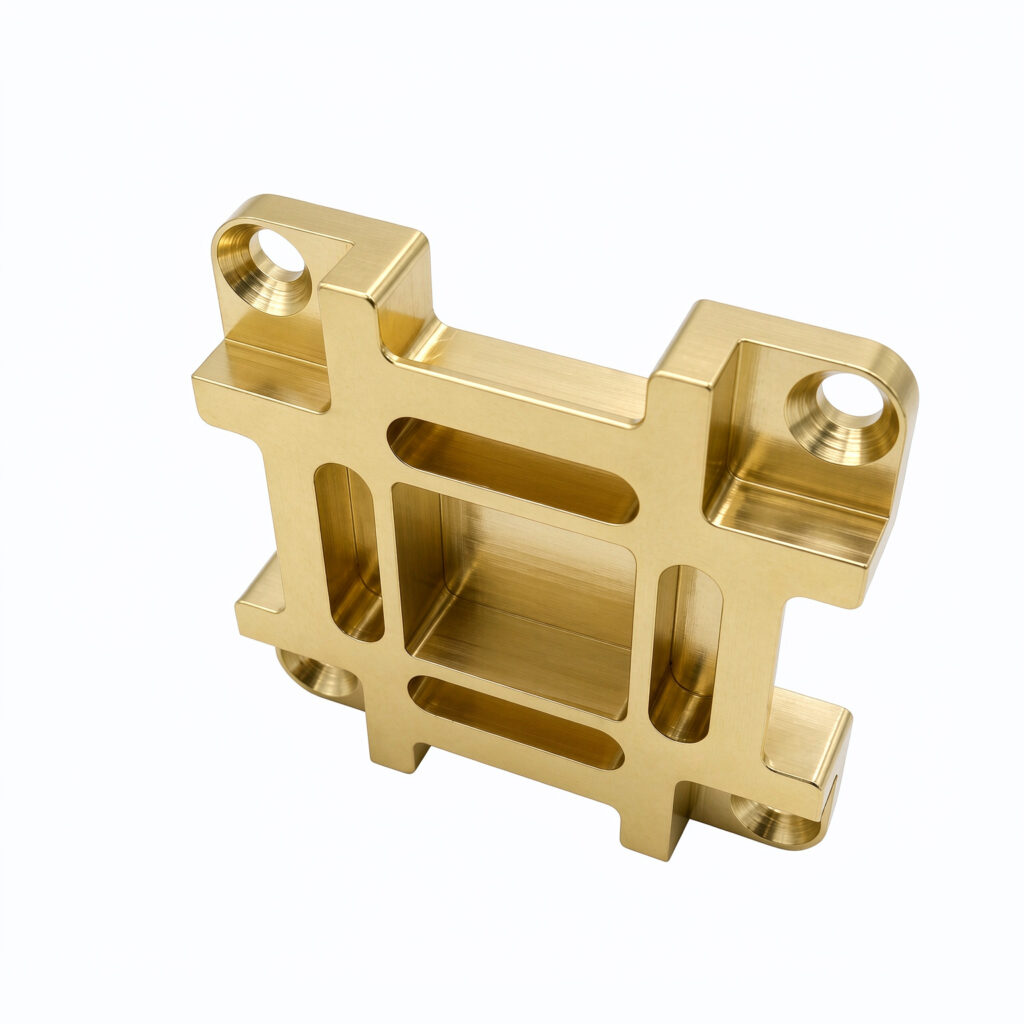
Copper CNC Milling
Copper combines excellent electrical and thermal conductivity with good corrosion resistance, making it widely used for electrical components, heat sinks, busbars, and thermal management parts. Its relatively soft material properties require controlled machining parameters to maintain dimensional accuracy and surface quality. Polishing, plating, and protective coatings can be applied depending on the final application.
- Copper C110
- Copper C101
- Copper C102
- Copper C145
- Copper C172
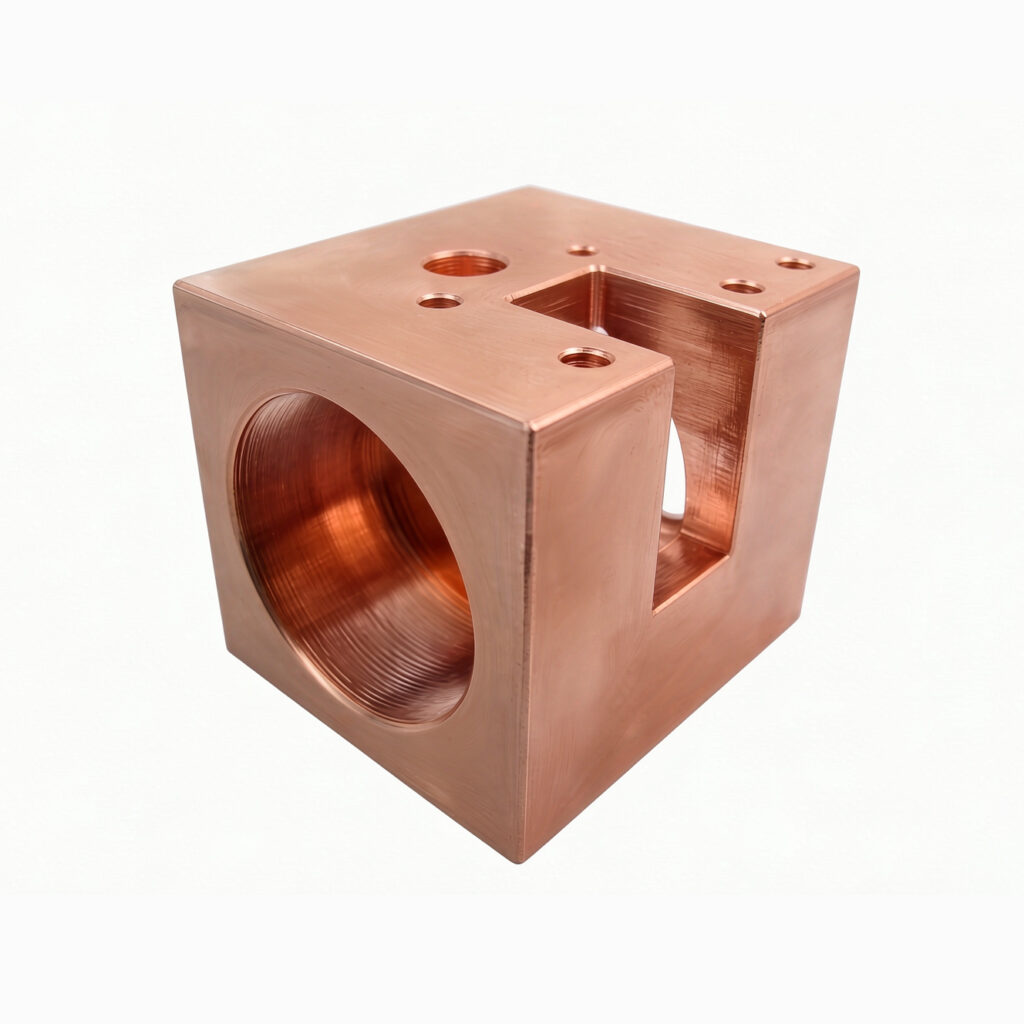
Titanium CNC Milling
Titanium provides an outstanding strength-to-weight ratio, excellent corrosion resistance, and reliable performance under demanding conditions. It is commonly used for aerospace, medical, automotive, and high-performance CNC milled components. Because titanium generates significant heat during machining, proper tooling and cutting parameters are important for maintaining tolerance and surface finish. Anodizing, polishing, and bead blasting are available for different requirements.
- Titanium Grade 2
- Titanium Grade 5 (Ti-6Al-4V)
- Titanium Grade 9
- Titanium Grade 23 (Ti-6Al-4V ELI)
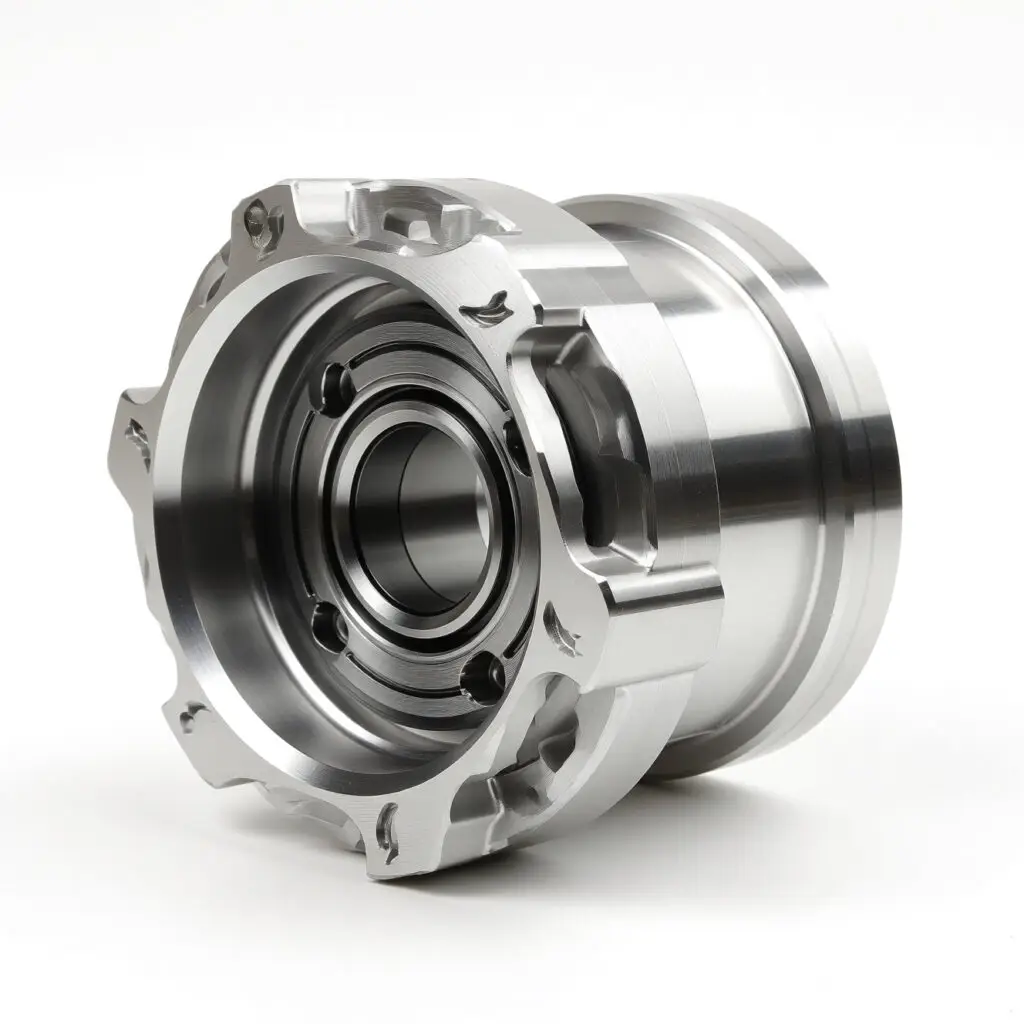
Steel CNC Milling
Steel offers high strength, toughness, and wear resistance, making it suitable for structural parts, shafts, brackets, tooling components, and other load-bearing applications. Different steel grades provide varying levels of hardness, machinability, and mechanical performance. Heat treatment, black oxide, zinc plating, nickel plating, and other finishes can be used to improve hardness, corrosion resistance, and service life.
- Steel 1018
- Steel 1045
- Steel 12L14
- Steel 4140
- Steel 4340
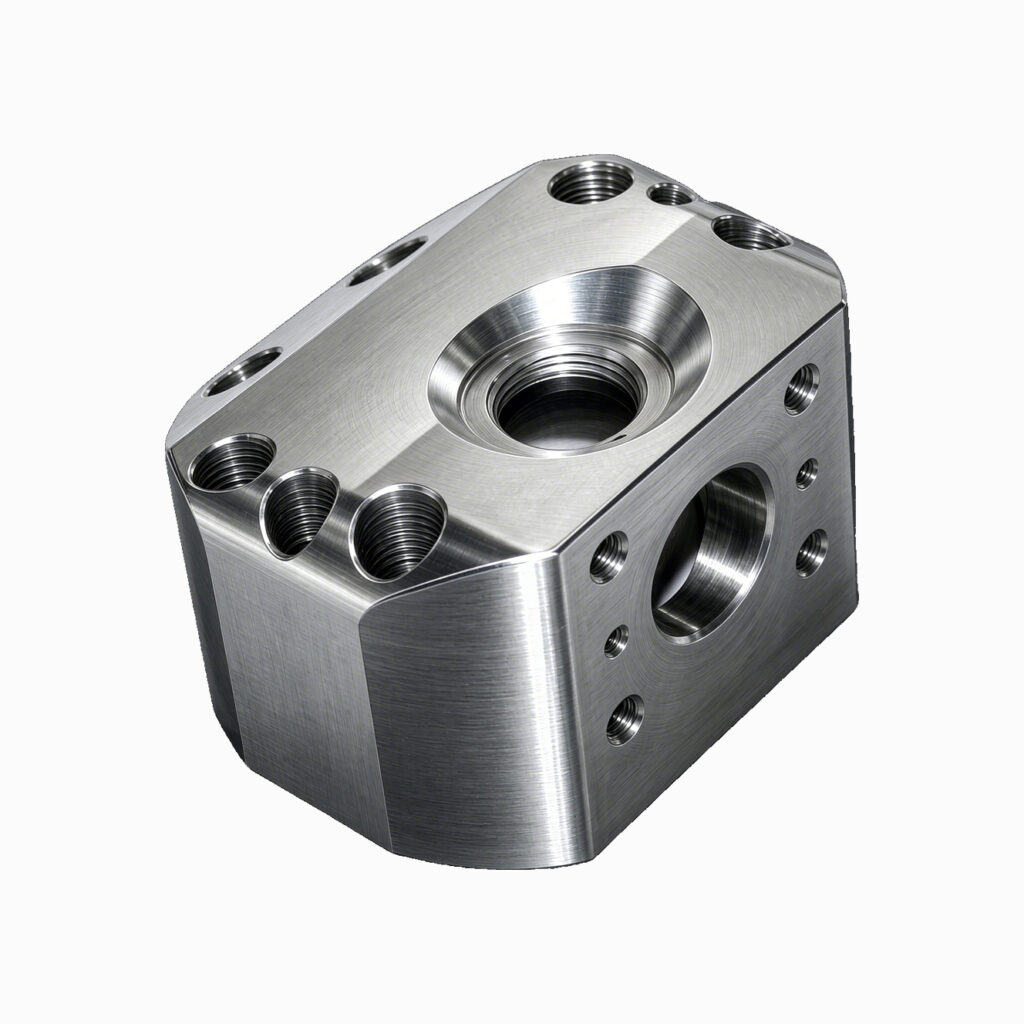
Evaluate standard surface finishes for CNC machined parts as well as advanced capabilities to improve durability, surface finish, and add color.
CNC Milling Surface Finishes
Surface finishes help CNC milling parts meet appearance and performance requirements. Options such as anodizing, bead blasting, polishing and plating offer different benefits depending on the material and application. SinoRise helps you select a suitable finish while considering critical dimensions, mating surfaces and the intended use of your parts.
As Machined Finish
Milled parts come directly from the machine with visible tool marks and a slightly rough surface. Ideal for functional prototypes or internal components where precision is critical, offering fast turnaround and cost savings.
Sanding & Polishing
Removes tool marks and rough areas, delivering smooth, glossy surfaces while maintaining dimensional accuracy. Perfect for customer-facing parts and high-end prototypes.
Sandblasting & Bead Blasting
Sandblasting uses abrasive particles to create a textured finish, while bead blasting applies fine glass beads for a smooth, uniform matte appearance. Both processes eliminate imperfections and prepare surfaces for coatings.
Painted Finish
Spray painting and powder coating add color, corrosion protection, and a consistent appearance. Powder coating offers superior wear resistance and durability, making it ideal for production parts.
Anodizing
Applied to aluminum parts, anodizing is one of the most widely used surface finishes for CNC milled parts, significantly increasing corrosion resistance, surface hardness, and overall durability. This process offers a wide range of color and texture options while maintaining tight machining tolerances, making it ideal for precision CNC machining applications in aerospace, electronics, medical devices, and industrial equipment.
E-Coating (Electrophoretic Coating)
Electrostatically applied for even coverage, E-Coating provides excellent corrosion protection and consistent finishes across complex geometries.
Nickel Plating
Adds corrosion and wear resistance with a smooth, metallic appearance, maintaining high dimensional accuracy for precision applications.
CNC Milling Tolerances
CNC milling tolerances depend on part geometry, material, dimensions and surface finish requirements. SinoRise reviews your drawings to assess achievable tolerances and inspection needs, with particular attention to critical dimensions and mating features. Share your specifications with our engineers to confirm machining feasibility.
| 3-Axis | 4-Axis | 5-Axis | |
|---|---|---|---|
| Maximum Part Size | 4000 × 1500 × 600 mm | 1000 × 500 × 500 mm | 1000 × 500 × 500 mm |
| Standard Machining Tolerance | ±0.05 mm to ±0.10 mm | ±0.025 mm to ±0.05 mm | ±0.015 mm to ±0.03 mm |
| High Precision Tolerance | Down to ±0.025 mm | Down to ±0.01–0.02 mm | Down to ±0.01 mm achievable under optimal conditions |
| Hole-to-Hole Position Accuracy | ±0.03–0.08 mm | ±0.02–0.05 mm | ±0.01–0.03 mm |
| Perpendicularity (per 100 mm) | 0.04–0.10 mm | 0.02–0.05 mm | 0.01–0.03 mm |
| Flatness (per 200 mm) | 0.03–0.10 mm | 0.02–0.06 mm | 0.01–0.03 mm |
| Surface Roughness (Ra) | Ra 1.6–3.2 µm, down to Ra 0.8 µm | Ra 0.8–1.6 µm, down to Ra 0.4 µm | Ra 0.4–1.6 µm, down to Ra 0.2–0.4 µm (post-process required) |
| Thread Specifications | ISO metric / UNC / UNF threads, standard machining tolerance 6H / 6g | Precision threading per ISO standards | High-precision threading for functional assemblies |
| Lead Time (Simple Parts) | 1–3 days | 1–3 days | 2–5 days |

Put your CNC milling parts into production today
All information and uploads are secure and confidential.
Why Choose SinoRise for CNC Milling Machining Services?
Professional CNC milling capabilities to help you stand out in a competitive market
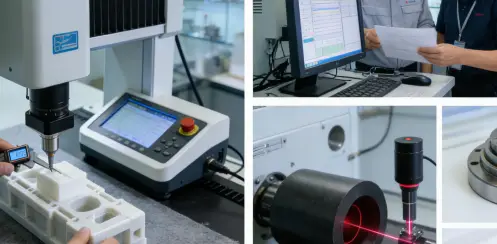
17+ Years of Precision Manufacturing Experience
We specialize in precision parts processing and CNC milling, having processed over 100,000 complex parts. We excel in high-precision structural components such as robotic joints, medical cavities, and semiconductor brackets.
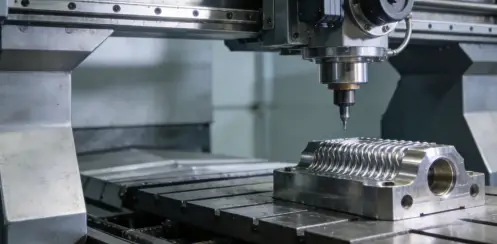
Multi-Axis CNC Milling Equipment
We are equipped with multi-axis CNC milling machines, providing 3-axis, 4-axis, and 5-axis machining services. This allows us to efficiently handle complex parts, improving processing efficiency by 50%.
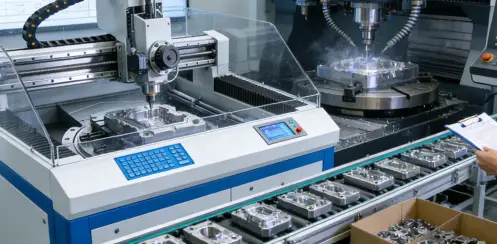
High-Speed Processing and Quick Delivery
With our efficient production methods and intelligent scheduling system, we ensure timely production cycles and delivery. We offer rapid sample delivery and short production cycles for small batches.
Custom CNC Milled Parts
Explore CNC milled parts for housings, brackets, fixtures and other custom applications. SinoRise supports prototype and small batch manufacturing, with materials, machining processes and surface finishes selected to match your drawings and functional requirements.
Engine Bracket CNC Milled
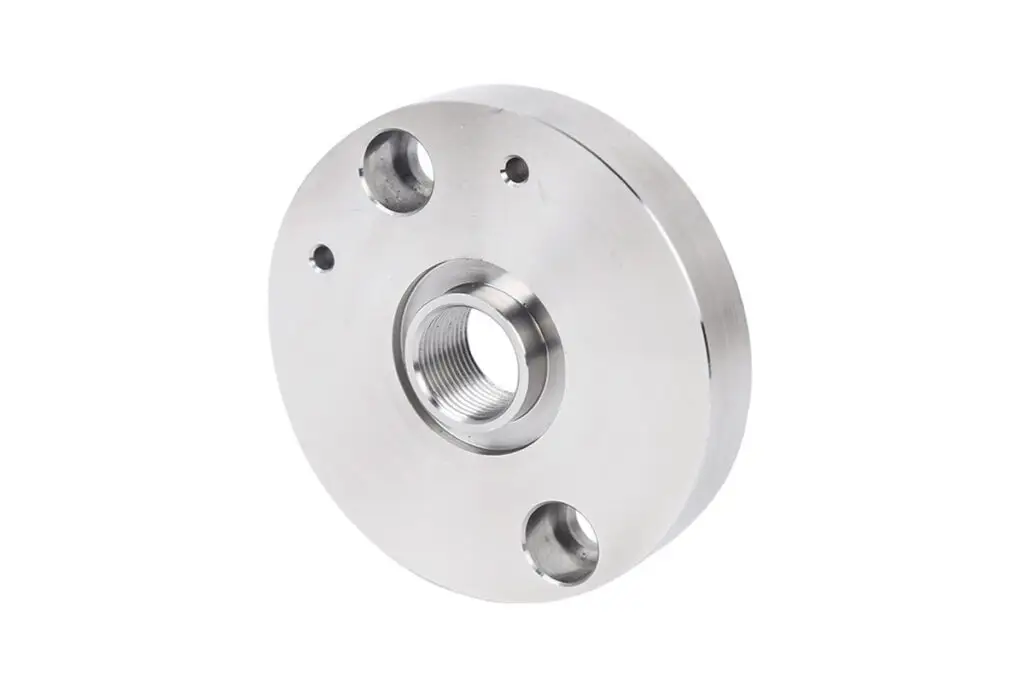
A CNC milled engine bracket is a custom high-strength metal or alloy mount cut via computer numerical control to hold and secure an engine, offering exact alignment, vibration reduction, and high load tolerance for automotive, racing, or industrial applications.
Engine Mount CNC Milled
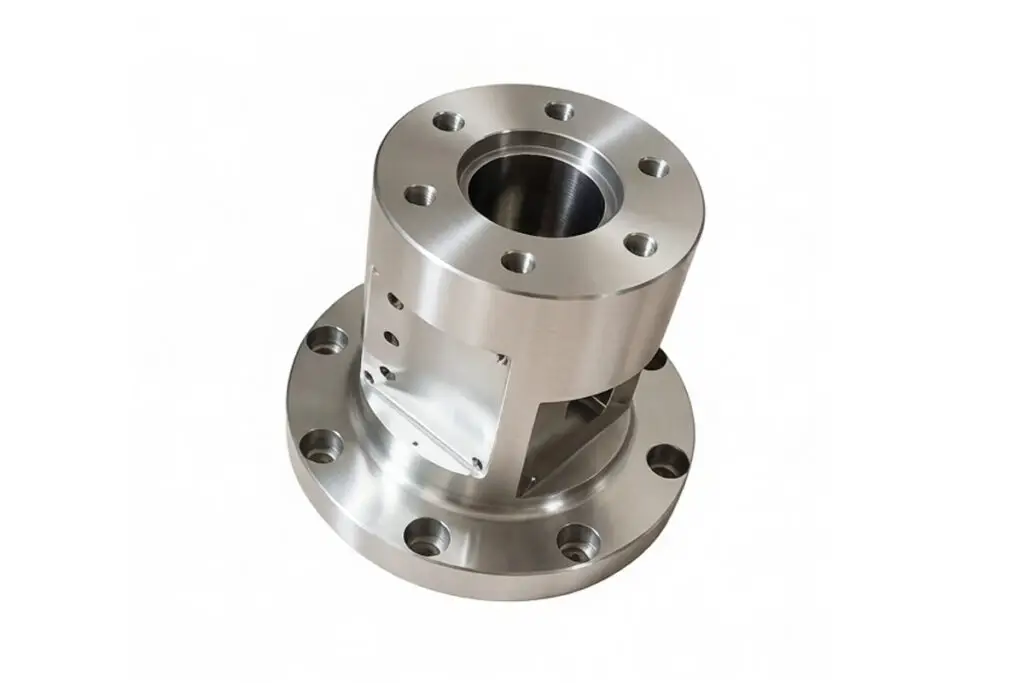
CNC milled engine mounts are precision-machined metal brackets carved from solid billet stock (commonly 6061-T6 or 7075 aluminum, steel, or stainless steel) to secure an engine to a vehicle or equipment frame with high dimensional accuracy and superior strength compared to cast or laser-cut alternatives
Bearing Housing CNC Milled
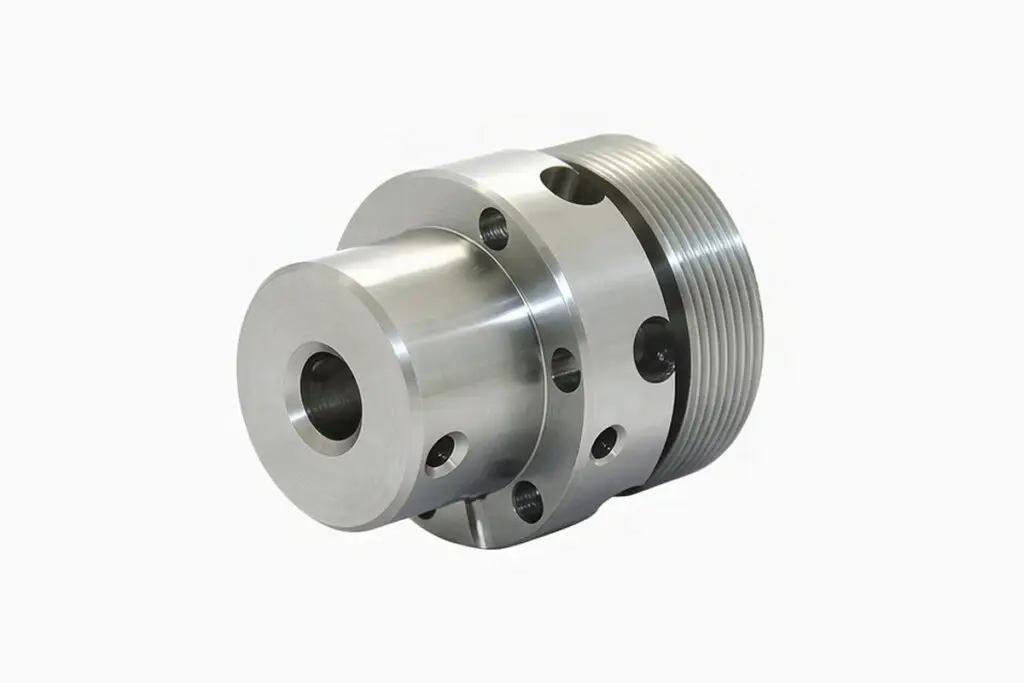
A CNC milled bearing housing is a precision-machined metal or alloy component designed to securely hold and align a rotational bearing. Computer Numerical Control (CNC) milling and turning ensure tight bore tolerances, correct coaxial alignment, and smooth mounting faces required for high-load or high-speed machinery.
Brake Lever CNC Milled
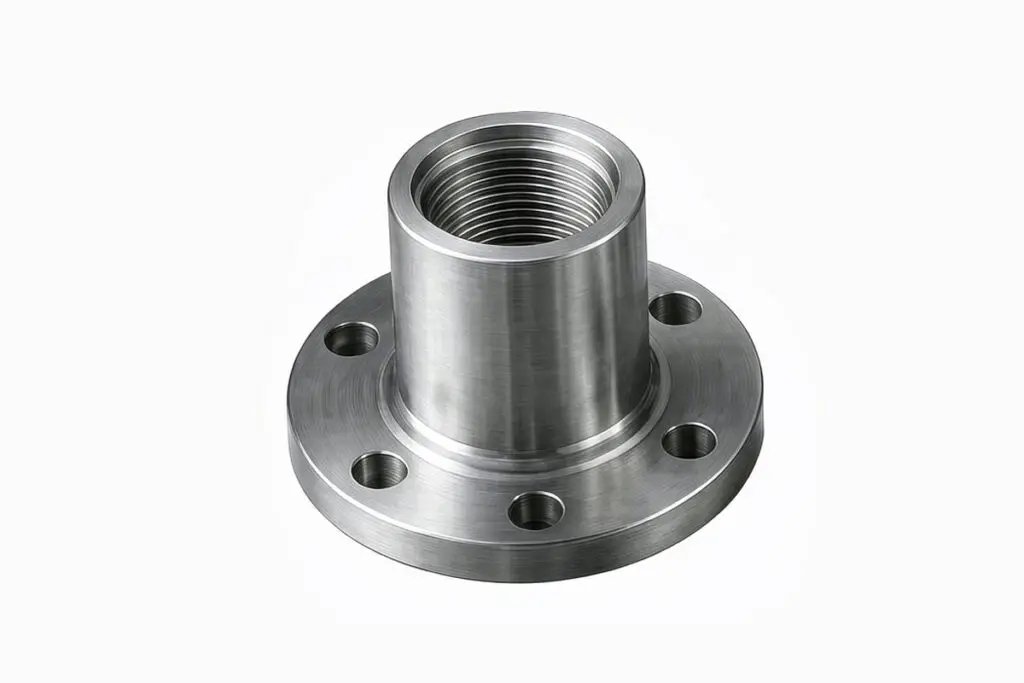
CNC-milled brake levers are precision-machined from solid billet aluminum blocks (commonly 6061-T6) to offer superior strength, reduced weight, and crisp ergonomic control compared to stock cast levers.
Shock Mount CNC Milled
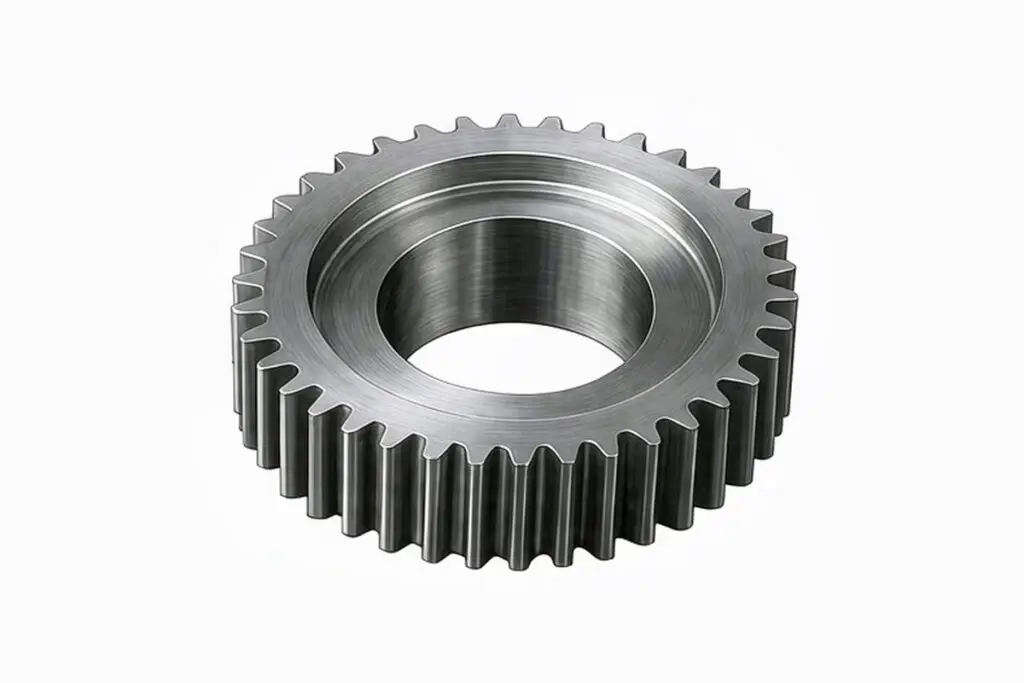
a precision-machined suspension bracket crafted from solid metal blocks (like billet aluminum, brass, or steel) using computerized milling. These parts replace weak factory plastic or stamped metal brackets to reduce flex, add weighted low-end stability, and offer adjustable ride heights in automotive, off-road, and RC applications.
UAV Frame CNC Milled
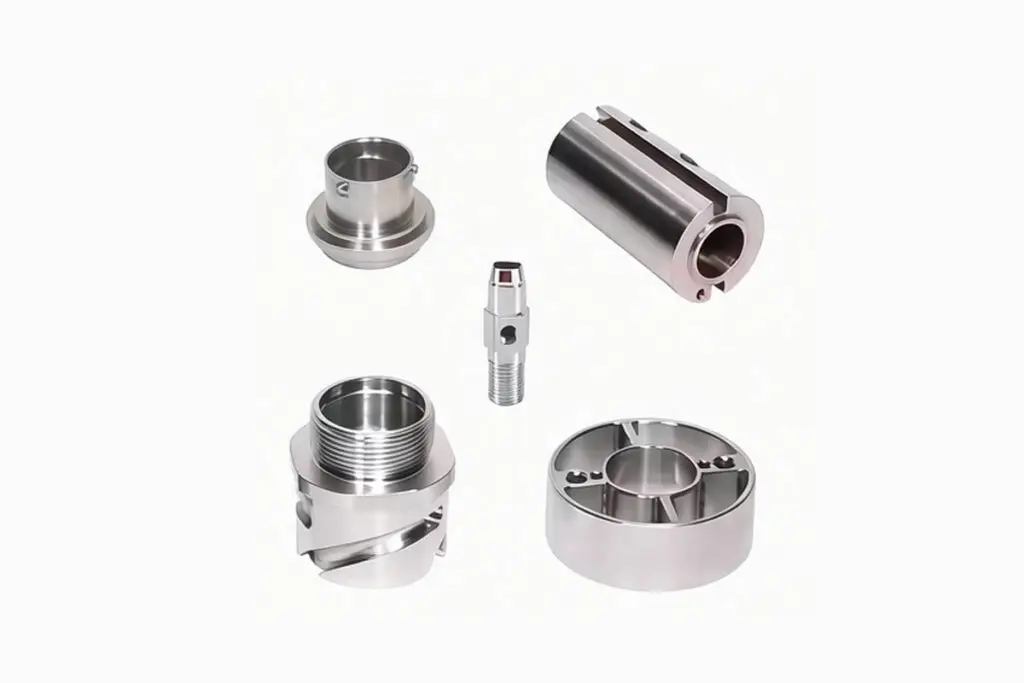
CNC milling creates high-strength, lightweight UAV frames from carbon fiber composites or aerospace aluminum. It ensures precise tolerances for motor alignment, vibration reduction, and structural reliability in custom or production drones
Vacuum Chamber CNC Milled
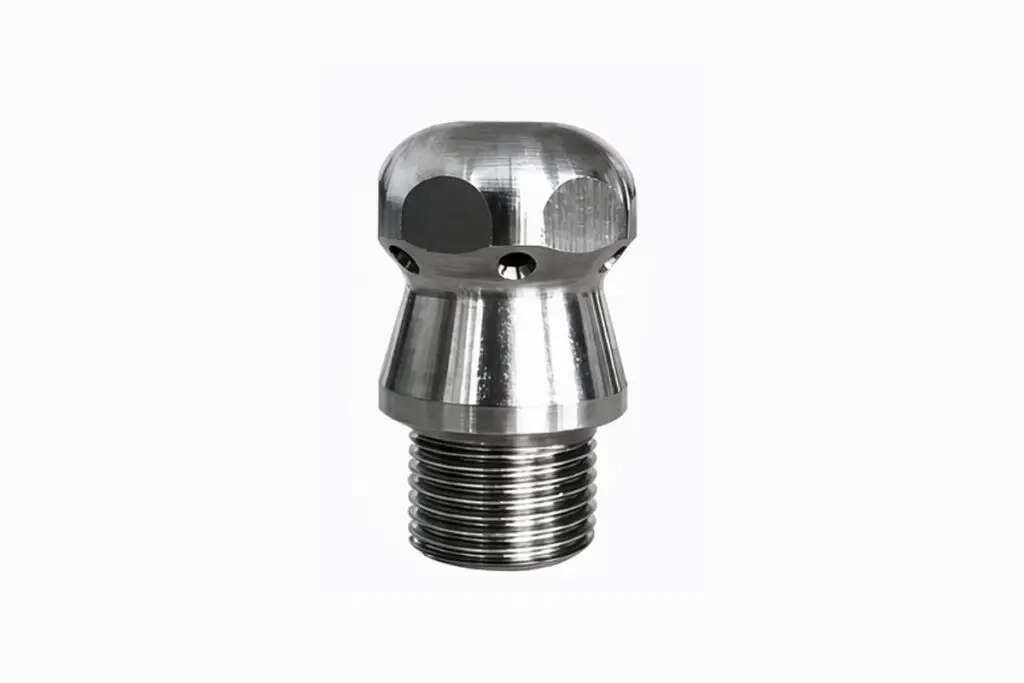
A CNC-milled vacuum chamber is a high-precision enclosure hogged out or machined from solid metal blocks (like aluminum or 316L Stainless Steel) to eliminate weak welded joints, ensure airtight leak-free seals, and maintain tight dimensional tolerances for aerospace, research, or semiconductor uses
Clutch Lever CNC Milled
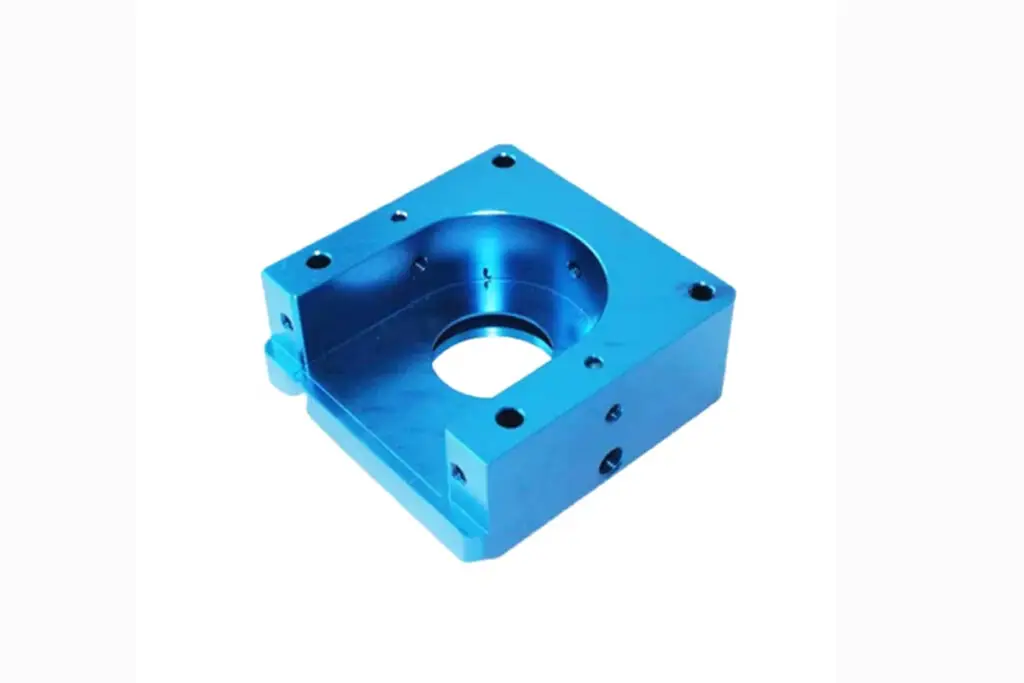
A CNC milled clutch lever is a high-strength, precision-machined motorcycle hand control carved from a solid block of billet aluminum (usually 6061-T6). Popular aftermarket upgrades like ASV C5 Series CNC Machined Clutch Lever or options from CNC Racing offer superior durability, adjustable reach, and folding pivot designs to prevent breakage during drops.
Have a similar part to manufacture? Send your drawings, material requirements and quantity to discuss machining feasibility and receive a custom quote.
Trusted by Customers for Precision CNC Milling
we supports customers with precision CNC milling, responsive communication and practical engineering support. From initial prototypes to repeat production, we focus on meeting drawing requirements and maintaining consistent part quality to build lasting manufacturing partnerships.

Textured PBT parts came out well. Fit and finish are good, color matching is also very good. Communication was easy and helpful, and price was not too bad. My only (minor) complaint is that one of the components took a few rounds of samples and mold tweaks to get the critical dimensions in spec, but that's not a big deal, and I'm very happy with the final parts.

I have ordered from them many times and have always been satisfied with the quality of the products delivered. I'm glad that I was able to get a good product so smoothly with this custom-made item!

Custom: backplate. The backplate quality is great and precise. The lead time is also on schedule. recommended.

Absolute pleasure to deal with. All neatly packed, every thread perfect. Made from special 2205 magnetic stainless steel for our mining product, well done. Packed neatly and shipped with care, quality product and service. Thank you, I am already a repeat customer and will continue to be. Jeff, Perth Western Australia.

Excellent communication and very well priced. My parts turned out extremely well and dimensions were at nominal.
Common CNC Milling FAQs
Practical answers for buyers, engineers and product teams looking for custom CNC milling services.
CNC milling is a subtractive manufacturing process that uses computer-controlled cutting tools to remove material from a workpiece and create precision components based on digital design files.
The process starts with CAD/CAM programming, where 3D models or drawings are converted into machining instructions. Cutting tools then remove material through controlled movements to create features such as holes, slots, pockets, contours, and complex geometries.
CNC milling can be performed using 3-axis, 4-axis, or 5-axis machining methods depending on part complexity, required accuracy, and production requirements.
CNC milling can process a wide range of metals and engineering plastics, including aluminum, stainless steel, steel alloys, titanium, copper, brass, PEEK, POM, and Nylon.
The right material for metal CNC machining depends on mechanical requirements, operating conditions, weight limitations, corrosion resistance, temperature performance, and cost considerations.
Different materials also require different machining strategies. For example, aluminum is known for excellent machinability, while titanium requires careful control of cutting conditions due to its strength and low thermal conductivity.
CNC milling tolerances depend on part geometry, material characteristics, machining method, and inspection requirements. Precision components can typically achieve tolerances from ±0.01 mm to tighter levels depending on project requirements.
Factors affecting accuracy include machine capability, fixture stability, tooling condition, cutting parameters, thermal control, and measurement methods.
For high-precision projects, dimensional verification with tools such as CMM inspection helps confirm critical features meet drawing specifications.
Yes. CNC milling is widely used for prototype development and small batch production because it allows flexible manufacturing without dedicated tooling.
During prototyping, CNC machining helps verify design, assembly, and functionality before moving into larger production. For small batches, it provides a balance between production flexibility, quality consistency, and reasonable manufacturing cost.
This approach is especially suitable for projects that require design changes, limited quantities, or multiple development stages.
Yes. A design review before CNC milling manufacturing helps identify potential manufacturing issues and improve part manufacturability.
Common review areas include machining accessibility, wall thickness, corner radius, tolerance requirements, material selection, and surface finish considerations.
A proper DFM (Design for Manufacturing) review can help reduce unnecessary machining difficulty, avoid production delays, and improve overall part quality.
Common CNC milling surface finishes include anodizing, bead blasting, polishing, brushing, plating, powder coating, and heat treatment.
The suitable finish depends on the purpose of the component, such as improving corrosion resistance, wear resistance, appearance, hardness, or electrical performance.
Surface treatment should be considered together with machining tolerances because some finishing processes may slightly affect dimensions or surface characteristics.
A CNC milling quote usually requires 3D CAD files, technical drawings, material specifications, quantity, tolerances, and surface finish requirements.
3D models define the part geometry, while technical drawings provide critical details such as dimensions, tolerances, threads, and special requirements.
Common file formats include STEP, IGES, STL, DWG, and DXF. Providing complete information helps manufacturers evaluate feasibility and prepare an accurate quotation.
Choosing a CNC milling partner requires evaluating machining capability, production experience, quality control, and communication efficiency.
With 10+ years of precision CNC machining experience, 40+ machining equipment, and experience serving customers across 100+ countries and industries, SinoRise focuses on supporting complex custom machining projects.
From prototype development to small batch production, the company combines engineering support, flexible manufacturing, and precision control to meet different project requirements.
CNC Milling Guide Resources
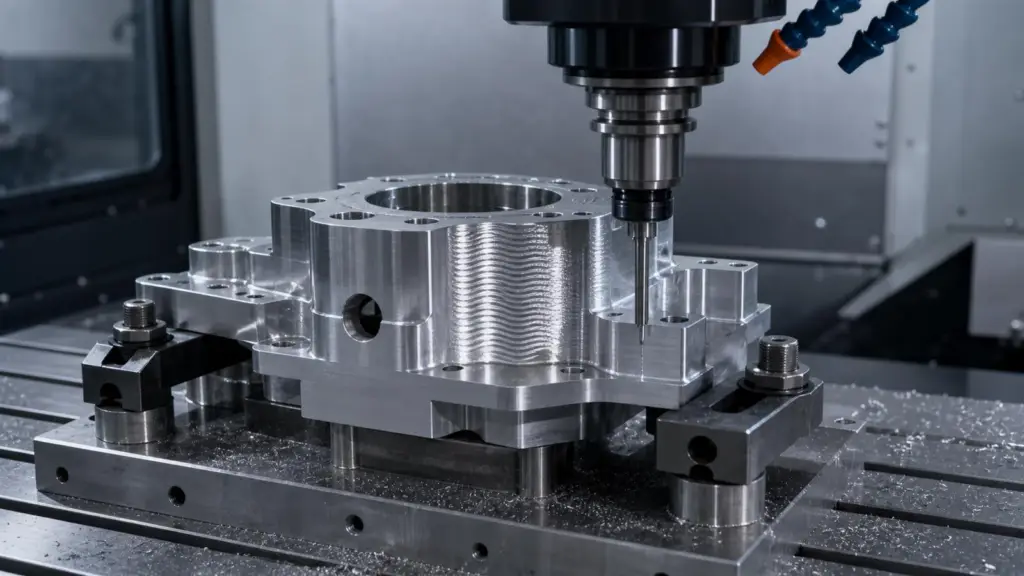
What Materials Are Used for CNC Milling?
Learn how to choose the right CNC milling materials for different applications. This guide covers common metals such as aluminum, stainless steel, brass, and titanium, helping engineers understand material properties, machining considerations, and selection factors.
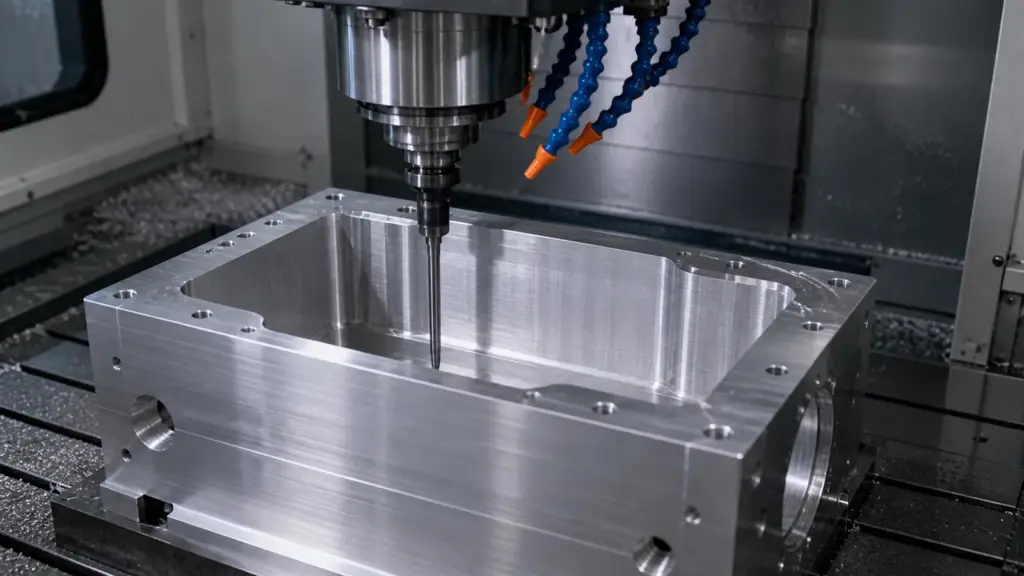
CNC Milling Surface Finishes: Types and Applications
Explore common CNC milling surface finishes and how they improve part appearance, durability, and performance. Learn about anodizing, bead blasting, polishing, coating, and other finishing options for different materials and applications.
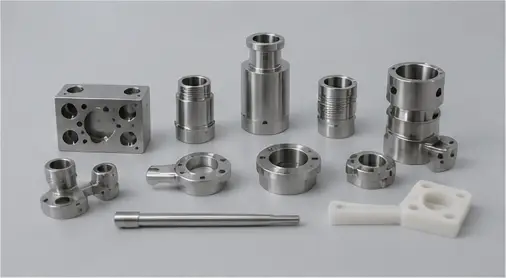
How to Choose a CNC Machining Supplier?
Choosing the right CNC machining supplier is critical for part quality, cost control, and production efficiency. This guide explains key factors including machining capabilities, quality control, communication, lead time, and engineering support.
Get high‑quality machined parts in as fast as 4 days with our expanded automated CNC milling!