
In modern manufacturing, speed matters. Precision matters more.
And reliability matters most.
That’s where CNC machining proves its value.
CNC isn’t just a production method—it’s the bridge between digital design and physical reality.
Built for Precision, Designed for Scale
CNC machining uses computer-controlled tools to transform raw materials into high-accuracy components. Every movement is calculated, every cut is repeatable, and every part meets the same standard—whether it’s the first piece or the thousandth.
For businesses, that means:
- Consistent quality across batches
- Tight tolerances without manual guesswork
- Faster turnaround from design to delivery
When precision is non-negotiable, CNC is the default choice.
From Prototype to Production—Without Compromise
One of CNC machining’s biggest strengths is flexibility.
Unlike tooling-heavy processes, CNC allows manufacturers to:
- Rapidly iterate prototypes
- Adjust designs without costly retooling
- Scale from small runs to full production seamlessly
This makes CNC ideal for industries where designs evolve fast and margins depend on speed—consumer electronics, automotive components, medical devices, and industrial equipment.
Materials That Match Performance
CNC machining supports a wide range of materials, including:
- Aluminum and steel for structural strength
- Stainless steel for durability and corrosion resistance
- Engineering plastics for lightweight, functional parts
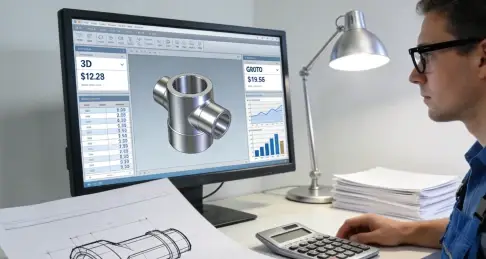
The result? Components that don’t just look good on screen, but perform reliably in real-world conditions.
Why CNC Is a Smart Business Decision
CNC machining reduces risk.
By converting design data directly into machine instructions, it minimizes human error and maximizes repeatability. That translates into fewer defects, predictable costs, and on-time delivery—three things every supply chain depends on.
In a competitive market, CNC isn’t an expense.
It’s a safeguard for quality and reputation.
Ready for the Future of Manufacturing
Today’s CNC machining is no longer isolated on the shop floor. Integrated with digital workflows, automated programming, and real-time monitoring, it fits seamlessly into modern manufacturing ecosystems.
This isn’t just about making parts.
It’s about building products that can scale.
Conclusion
Great products don’t fail because of bad ideas.
They fail because execution breaks down.
CNC machining ensures that what you design is exactly what you deliver—accurately, reliably, and at scale.
When quality defines your brand, CNC is not optional.
It’s foundational.